In the chemical industry, nitrogen plays a crucial role in ensuring safe and efficient operations. Nitrogen generators have become an essential tool for companies looking to optimize their processes. This article will explore the importance of nitrogen generators in the chemical industry, how they work, and the benefits they offer.
Understanding Nitrogen Generators
What Are Nitrogen Generators?
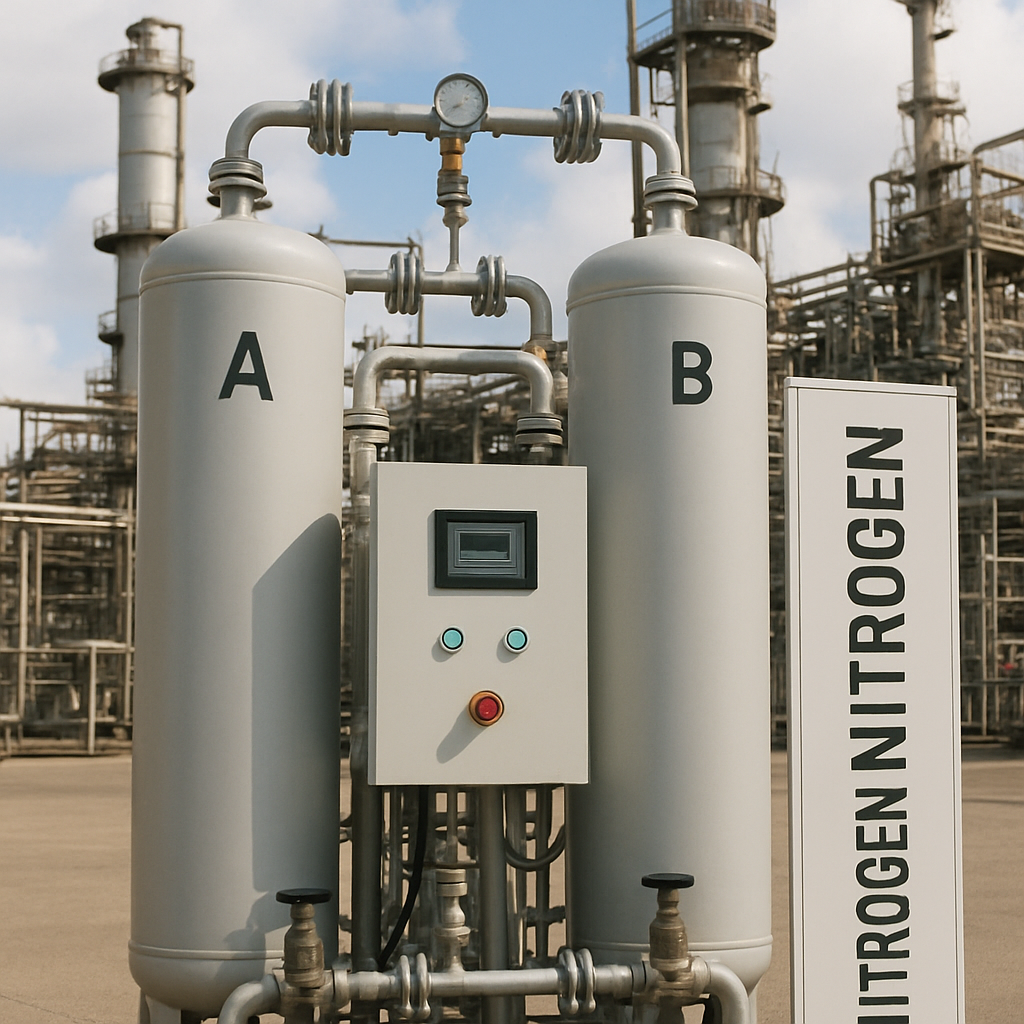
Nitrogen generators are systems designed to produce nitrogen gas from the air. They use various technologies to separate nitrogen from other gases, primarily oxygen, resulting in high-purity nitrogen gas suitable for industrial use.
How Do Nitrogen Generators Work?
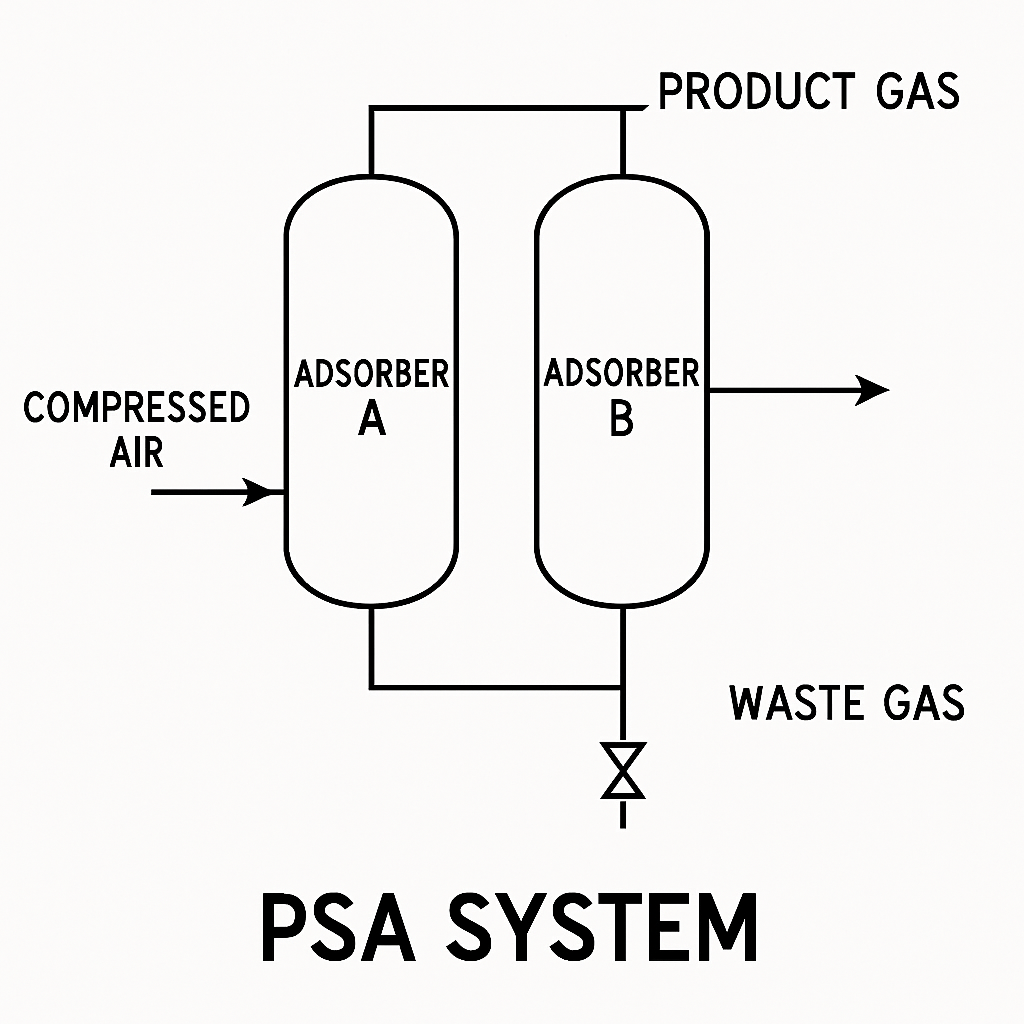
Nitrogen generators primarily use two technologies: Pressure Swing Adsorption (PSA) and Membrane Technology. Both methods are effective in producing nitrogen gas, but they operate differently.
- Pressure Swing Adsorption (PSA): PSA systems work by passing compressed air through a vessel filled with a carbon molecular sieve. This sieve adsorbs oxygen and other impurities, allowing nitrogen to pass through as a gas.
- Membrane Technology: Membrane systems use hollow fiber membranes to separate nitrogen from compressed air. As air passes through the membrane, oxygen and water vapor diffuse out, leaving behind nitrogen-rich gas.
Importance of Nitrogen in the Chemical Industry
Purging and Blanketing
One of the primary uses of nitrogen in the chemical industry is purging and blanketing. Purging involves removing oxygen and other reactive gases from equipment and pipelines, preventing unwanted chemical reactions. Blanketing, on the other hand, involves covering volatile chemicals with a layer of nitrogen to prevent contact with oxygen.
Inerting
Nitrogen is used to create an inert atmosphere to prevent combustion and explosions during chemical processes. This is particularly important when handling flammable substances or conducting reactions that produce heat.
Pressure Transfer
Nitrogen gas is also used to transfer liquids from one container to another by applying pressure. This method is safe and efficient, especially for transferring hazardous chemicals.
Benefits of Using Nitrogen Generators
Cost-Effectiveness
Nitrogen generators provide a cost-effective solution for producing nitrogen on-site. By generating their own nitrogen, chemical plants can reduce dependency on external suppliers and eliminate the costs associated with transporting and storing nitrogen gas.
Improved Safety
Using nitrogen generators enhances safety in chemical plants. The ability to produce nitrogen on demand reduces the risk of running out of gas during critical operations. Moreover, on-site generation minimizes the handling of high-pressure nitrogen cylinders, reducing the potential for accidents.
Environmental Benefits
Generating nitrogen on-site reduces the carbon footprint associated with the transportation of nitrogen gas. Additionally, nitrogen generators optimize energy usage, making them a more environmentally friendly option compared to traditional supply methods.
 by Rodrigo Kambara (https://unsplash.com/@rodrigoeng)
Types of Nitrogen Generation Systems
Portable Nitrogen Generators
Portable nitrogen generators are compact and easy to transport, making them ideal for temporary or remote applications. They are commonly used in maintenance activities, pilot plants, and small-scale operations.
Stationary Nitrogen Generators
Stationary nitrogen generators are larger systems designed for continuous, high-volume nitrogen production. They are suitable for large-scale chemical plants with high nitrogen demand.
Choosing the Right Nitrogen Generator
Assessing Your Needs
Before selecting a nitrogen generator, it’s essential to assess the specific needs of your chemical plant. Consider factors such as the required purity level, flow rate, and pressure of nitrogen gas.
Evaluating Technology Options
Choose between PSA and membrane technology based on your plant’s requirements. PSA systems are known for producing high-purity nitrogen, while membrane systems are valued for their simplicity and low maintenance requirements.
Considering Cost and Maintenance
Evaluate the total cost of ownership, including initial investment, operating costs, and maintenance. Opt for a nitrogen generator that fits your budget while meeting the operational demands of your plant.
Real-World Applications
Petrochemical Industry
In the petrochemical industry, nitrogen generators are used to inert storage tanks and pipelines, preventing the oxidation of hydrocarbons and enhancing safety.
Pharmaceutical Manufacturing
Pharmaceutical companies use nitrogen generators to create inert atmospheres during the production of sensitive drugs, ensuring product integrity and compliance with regulations.
Food and Beverage Industry
While not part of the chemical industry, it’s worth noting that nitrogen generators are also used in food packaging to extend shelf life by preventing oxidation.
Conclusion
Nitrogen generators are a vital component of the chemical industry, offering a reliable and cost-effective solution for nitrogen supply. By understanding the technology and benefits of nitrogen generation systems, chemical plants can enhance safety, reduce costs, and improve operational efficiency.
Investing in the right nitrogen generator can significantly impact a plant’s productivity and sustainability. Whether you’re involved in petrochemicals, pharmaceuticals, or other chemical processes, nitrogen generators are a wise investment for your operation’s success.