In the world of industrial applications, the need for gases like nitrogen and oxygen is paramount. From food packaging to pharmaceuticals, and even in aerospace, these gases play crucial roles. But how do industries obtain these gases in a pure and efficient form? Enter nitrogen and oxygen generators.
These generators are sophisticated devices designed to extract and deliver nitrogen and oxygen from the air. They ensure a constant supply of these essential gases without the hassle of ordering and storing gas cylinders. In this article, we’ll delve into the workings of nitrogen and oxygen generators, their benefits, and why they might be the right choice for your business.
Understanding Gas Generators
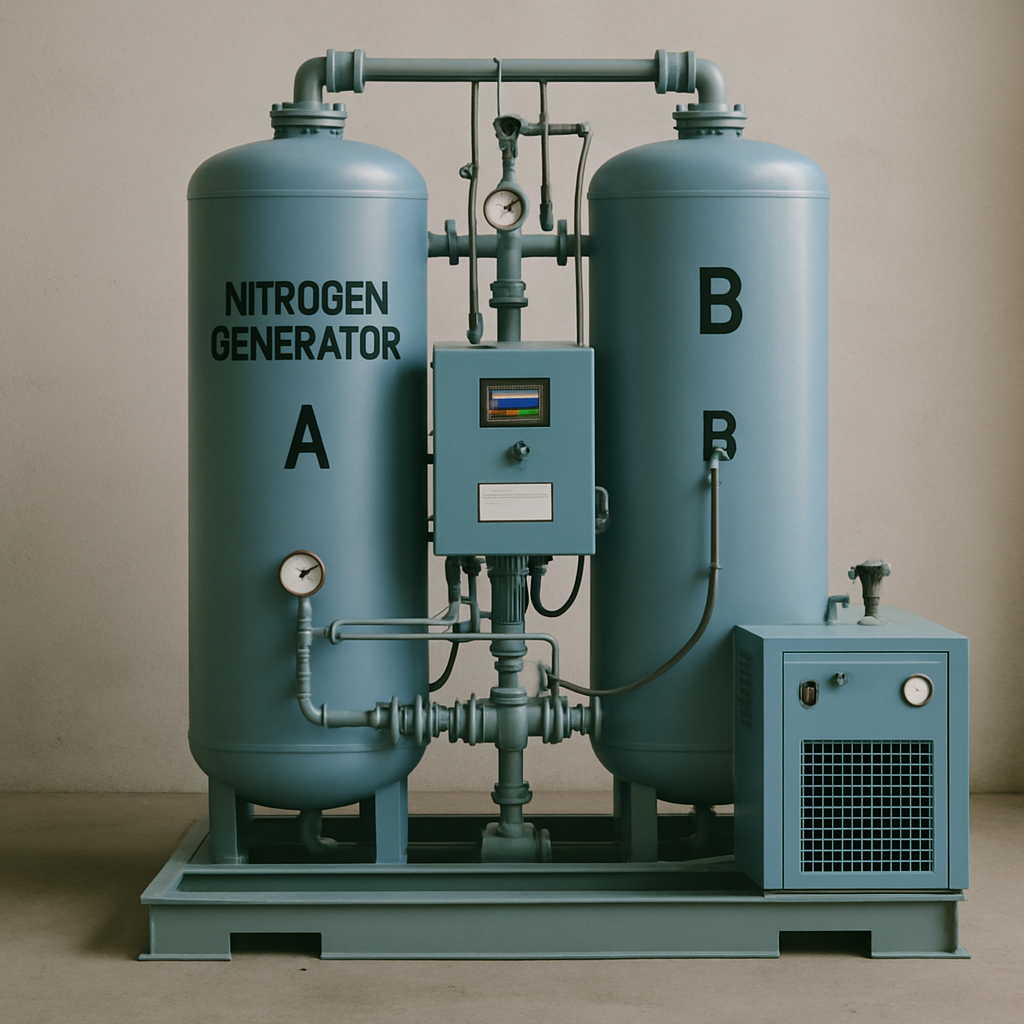
At their core, gas generators are systems that separate and purify gases from the air. The air we breathe contains about 78% nitrogen and 21% oxygen, with trace amounts of other gases. Gas generators capitalize on this abundance, isolating and concentrating the desired gas for use in various applications.
How Nitrogen Generators Work
Nitrogen generators primarily employ two methods: Pressure Swing Adsorption (PSA) and membrane technology.
Pressure Swing Adsorption (PSA)
PSA technology relies on a material called a molecular sieve. This material adsorbs oxygen, carbon dioxide, and moisture from compressed air, leaving behind a stream of high-purity nitrogen. The system operates in cycles, switching between adsorption and regeneration phases to ensure continuous nitrogen production.
Membrane Technology
Membrane nitrogen generators use semi-permeable membranes to separate nitrogen from the air. These membranes allow oxygen and water vapor to pass through, while nitrogen molecules remain. The result is a continuous stream of nitrogen, albeit typically at a slightly lower purity compared to PSA systems.
How Oxygen Generators Work
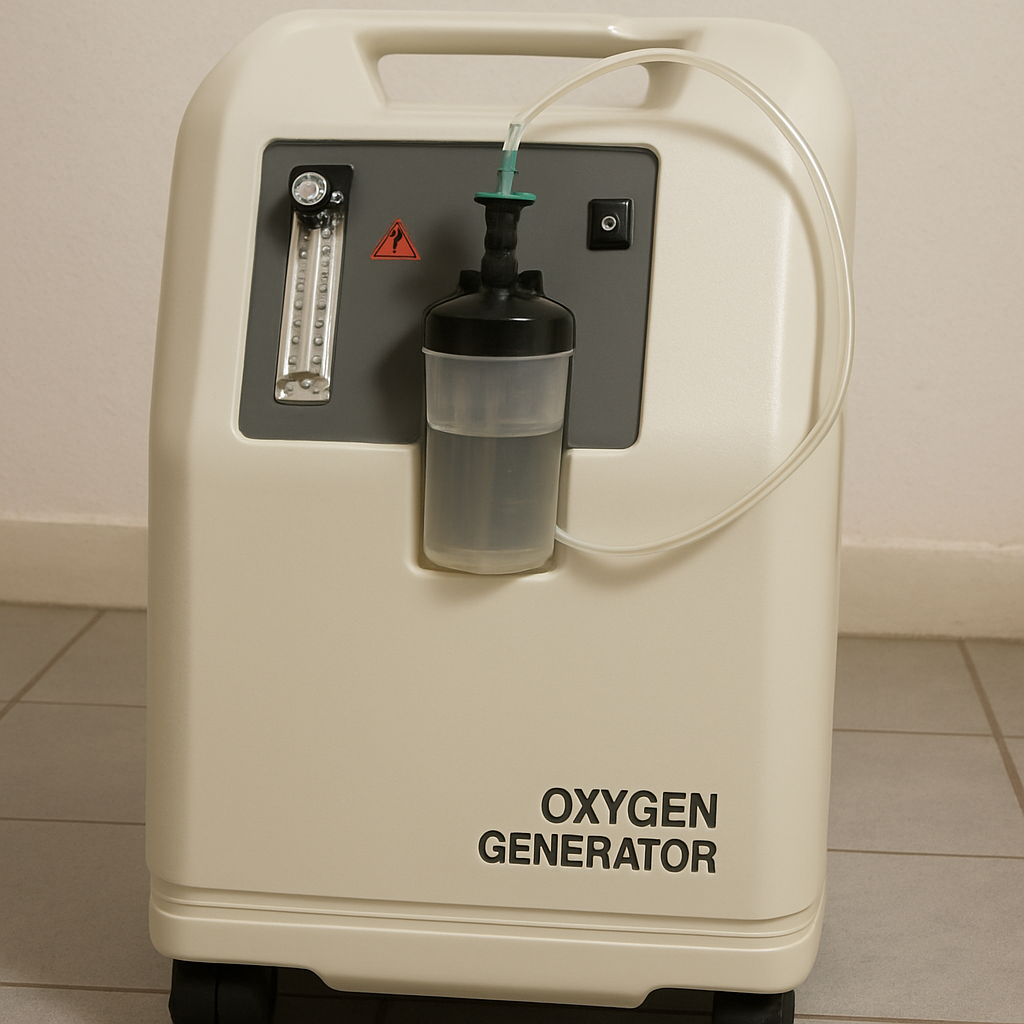
Oxygen generators also utilize PSA technology, but with a different type of molecular sieve specifically designed to adsorb nitrogen. By removing nitrogen and other trace gases, these generators deliver a high-purity oxygen stream.
Advantages of Using Nitrogen and Oxygen Generators
Opting for nitrogen and oxygen generators offers several advantages over traditional gas supply methods:
Cost-Effective
While the initial investment in a gas generator can be significant, the long-term savings are substantial. By producing gases on-site, businesses eliminate the recurring costs associated with purchasing and transporting gas cylinders.
Continuous Supply
Generators provide a reliable and constant gas supply. This is crucial for industries where gas availability is critical to maintaining operations, such as in manufacturing or healthcare.
Increased Safety
Handling and storing large quantities of gas cylinders can pose safety risks. On-site gas generation minimizes these risks, reducing the potential for leaks or accidents.
Environmental Benefits
By generating gases on-site, businesses can reduce their carbon footprint. The transportation of gas cylinders contributes to greenhouse gas emissions, a factor eliminated with on-site generation.
Applications of Nitrogen and Oxygen Generators
These generators are versatile, serving a variety of industries:
Food and Beverage Industry
In food packaging, nitrogen is used to displace oxygen, extending the shelf life of perishable goods. Oxygen-free environments prevent the growth of bacteria and oxidation, preserving food quality.
Medical and Healthcare
Oxygen generators are indispensable in medical settings, providing life-saving oxygen to patients in hospitals and clinics. They ensure a steady oxygen supply for critical care, anesthesia, and respiratory therapy.
Industrial and Manufacturing
In metal fabrication, nitrogen generators are used in laser cutting and welding processes. The high-purity nitrogen prevents oxidation and ensures clean cuts and welds.
Electronics
In the electronics industry, nitrogen is used to create inert environments for manufacturing processes, such as soldering and component assembly, preventing oxidation and ensuring product quality.
 by Georg Eiermann (https://unsplash.com/@georgeiermann)
Choosing the Right Generator for Your Needs
When selecting a nitrogen or oxygen generator, consider the following factors:
Purity Requirements
Different applications require varying levels of gas purity. Ensure the generator you choose can meet the specific purity needs of your operations.
Flow Rate
Consider the volume of gas your operations require. Generators come in various sizes and capacities, so it’s important to select one that can meet your demand.
Maintenance and Support
Look for generators that are easy to maintain and come with reliable customer support. Regular maintenance ensures optimal performance and longevity.
Cost and ROI
Consider the total cost of ownership, including the initial purchase price, maintenance costs, and potential savings compared to traditional gas supply methods. Evaluate the return on investment to ensure the generator is a cost-effective solution for your business.
Conclusion
Nitrogen and oxygen generators offer a practical and efficient solution for businesses that require a steady supply of these essential gases. By understanding how these generators work and their benefits, you can make an informed decision about whether they are right for your operations. With the potential for cost savings, increased safety, and environmental benefits, investing in a gas generator could be a smart move for your business’s future.
Incorporating nitrogen and oxygen generators into your operations not only streamlines your gas supply but also positions your business to be more sustainable and efficient in the long run. If you’re considering making the switch, consult with a reputable supplier to find the right generator that meets your specific needs.