In this article, we will explore the causes of discoloration in laser cutting, the benefits of using nitrogen, and practical tips to achieve better results with your laser cutting projects. Understanding these elements can help you optimize your laser cutting processes, reduce waste, and improve the overall quality of your products. Whether you are a seasoned professional or new to laser cutting, these insights will be invaluable in enhancing your production capabilities and achieving a superior finish.
Understanding Discoloration in Laser Cutting
What Causes Discoloration?
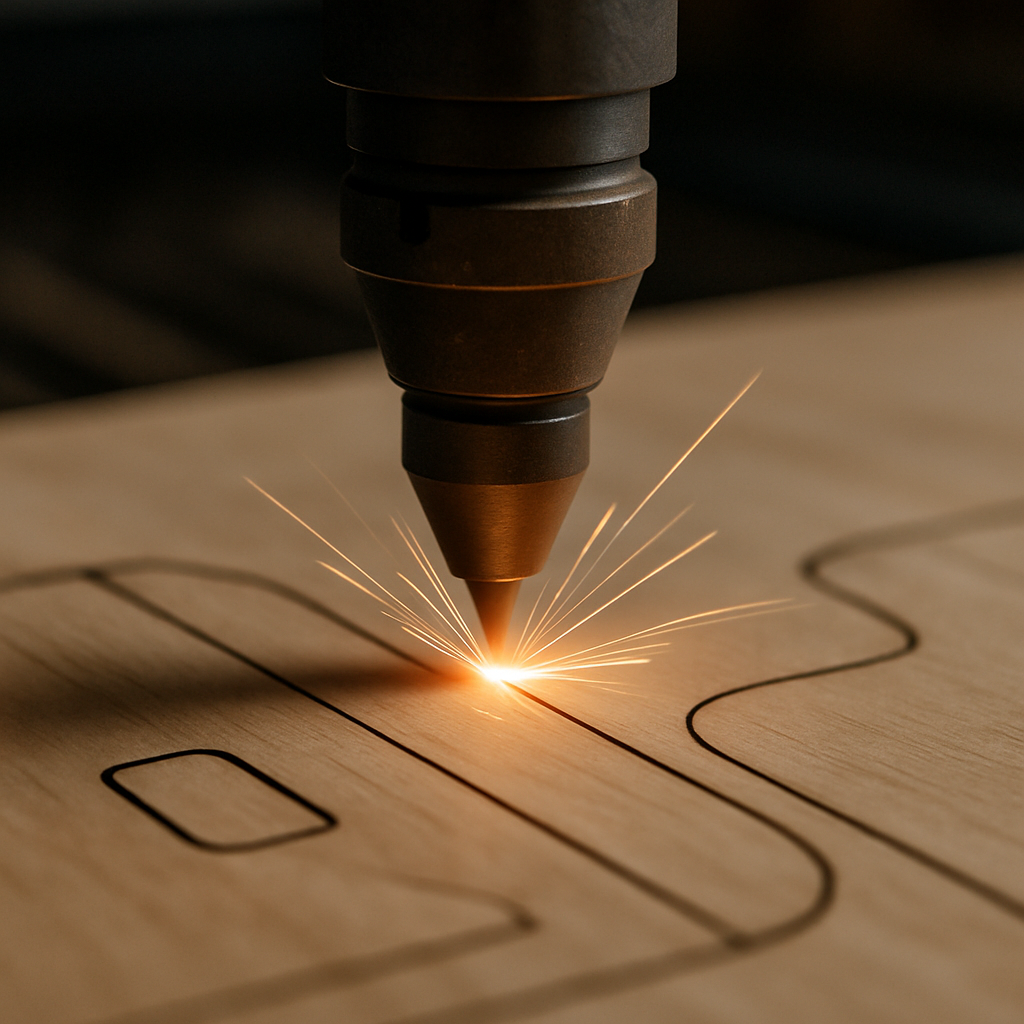
Discoloration during laser cutting is primarily caused by oxidation. When a laser beam cuts through a material, it generates a significant amount of heat. This heat can cause the material to oxidize, leading to discoloration, especially when cutting metals like steel and aluminum. The discoloration typically appears as a burnt or tarnished surface, which can be undesirable for many applications. This oxidation is a chemical reaction that occurs when the material’s surface is exposed to oxygen at high temperatures, forming oxide layers that alter the surface’s appearance and properties.
In addition to oxidation, other factors such as laser settings, material type, and environmental conditions can contribute to discoloration. For instance, incorrect laser settings, such as excessive power or improper focal point, can exacerbate the problem. Environmental factors like humidity and contaminants on the material’s surface can also affect the outcome. Understanding these causes is crucial for implementing effective measures to prevent discoloration and ensure a high-quality finish.
The Importance of Preventing Discoloration
Preventing discoloration is important for maintaining the quality and appearance of the finished product. For industries such as automotive, aerospace, and consumer goods, where the aesthetic appeal of the product is critical, maintaining a clean and polished finish is essential. A product’s appearance can significantly influence consumer perception and buying decisions, making it a key factor in competitive markets. Discoloration can also affect the material’s surface properties, potentially impacting its performance and durability. Oxidized surfaces may have altered mechanical properties, such as reduced corrosion resistance and increased surface roughness, which can affect the product’s lifespan and functionality.
Furthermore, preventing discoloration can lead to cost savings and increased efficiency. By minimizing defects and rework, manufacturers can reduce material waste and production downtime, leading to more efficient operations. In industries where precision and quality are paramount, ensuring that products are free from discoloration can enhance brand reputation and customer satisfaction, ultimately contributing to business success.
Why Use Nitrogen in Laser Cutting?
The Role of Assist Gases
Assist gases play a crucial role in the laser cutting process. They help remove molten material from the cut area, cool the material, and prevent oxidation. Common assist gases include oxygen, air, and nitrogen. Oxygen is often used for its ability to enhance cutting speed and efficiency, as it reacts with the material to produce additional heat, facilitating faster cuts. However, it can also contribute to oxidation and discoloration, which can be detrimental to the product’s appearance and integrity.
In contrast, nitrogen, being an inert gas, does not react with the material, thereby minimizing the risk of oxidation. It effectively displaces oxygen from the cutting area, helping to maintain a clean and precise cut. Understanding the distinct roles of these assist gases allows manufacturers to choose the most suitable option for their specific applications, balancing speed, efficiency, and quality.
Benefits of Using Nitrogen
Using nitrogen as an assist gas offers several advantages in preventing discoloration:
- Reduces Oxidation: Nitrogen is an inert gas, meaning it does not react with the material being cut. By displacing oxygen from the cutting area, nitrogen minimizes the risk of oxidation and discoloration. This property is especially beneficial when working with materials prone to tarnishing, such as stainless steel and aluminum.
- Improves Cut Quality: Nitrogen helps achieve cleaner and smoother cuts by effectively removing molten material and reducing the heat-affected zone. This results in sharper edges and a more refined finish, which is crucial for applications requiring precision and aesthetic appeal.
- Enhances Material Properties: By preventing oxidation, nitrogen helps maintain the material’s original properties, ensuring its strength and durability. This is particularly important for structural components in industries like aerospace and automotive, where material integrity is critical.
- Versatility: Nitrogen is suitable for cutting a wide range of materials, including stainless steel, aluminum, and titanium, making it a versatile choice for various applications. Its non-reactive nature makes it an ideal assist gas for processes where maintaining the material’s natural appearance and properties is essential.
Laser Cutting Tips for Preventing Discoloration
Optimize Laser Parameters
To achieve the best results with nitrogen, it is important to optimize your laser cutting parameters. Factors such as laser power, cutting speed, and focal point position can all impact the quality of the cut. Here are some tips for optimizing your laser parameters:
- Adjust Laser Power: Use the appropriate laser power for the material thickness and type. Too much power can cause excessive heat, leading to discoloration. Conversely, too little power may result in incomplete cuts, requiring multiple passes and increasing the risk of defects.
- Control Cutting Speed: Find the right balance between speed and cut quality. Cutting too quickly can result in rough edges, while cutting too slowly can increase the risk of discoloration. Experimenting with different speeds can help you identify the optimal setting for each material.
- Set Focal Point Accurately: Ensure the laser beam is focused correctly on the material’s surface to achieve a precise and clean cut. An inaccurate focal point can lead to uneven cuts and increased heat-affected zones, compromising the cut quality.
Maintain Equipment
Regular maintenance of your laser cutting equipment is essential for optimal performance. Here are some maintenance tips to consider:
- Clean Optics: Regularly clean the laser optics to ensure maximum beam quality and efficiency. Dirty optics can scatter the laser beam, leading to poor cut quality and increased risk of discoloration.
- Inspect Nozzles: Check the condition of the nozzles and replace them if they are worn or damaged. Damaged nozzles can affect gas flow and cutting precision, resulting in suboptimal cuts.
- Monitor Gas Flow: Ensure the nitrogen gas flow rate is consistent and adequate for the material being cut. Inconsistent gas flow can lead to uneven cuts and increased oxidation risk, impacting the overall quality of the product.
Use Quality Materials
The quality of the material being cut can also impact the risk of discoloration. Choose high-quality materials with minimal surface impurities to reduce the likelihood of oxidation. Materials with surface contaminants or coatings may react differently during the cutting process, leading to unexpected results. Sourcing materials from reputable suppliers can help ensure consistency and reduce the risk of defects.
Laser Cutting Solutions for Different Materials
Stainless Steel
Stainless steel is a popular material for laser cutting due to its strength and corrosion resistance. However, it is also prone to discoloration if not cut properly. Using nitrogen as an assist gas can help achieve a clean and polished finish on stainless steel. The inert nature of nitrogen prevents the formation of oxide layers, preserving the material’s natural luster and enhancing its corrosion resistance.
Aluminum
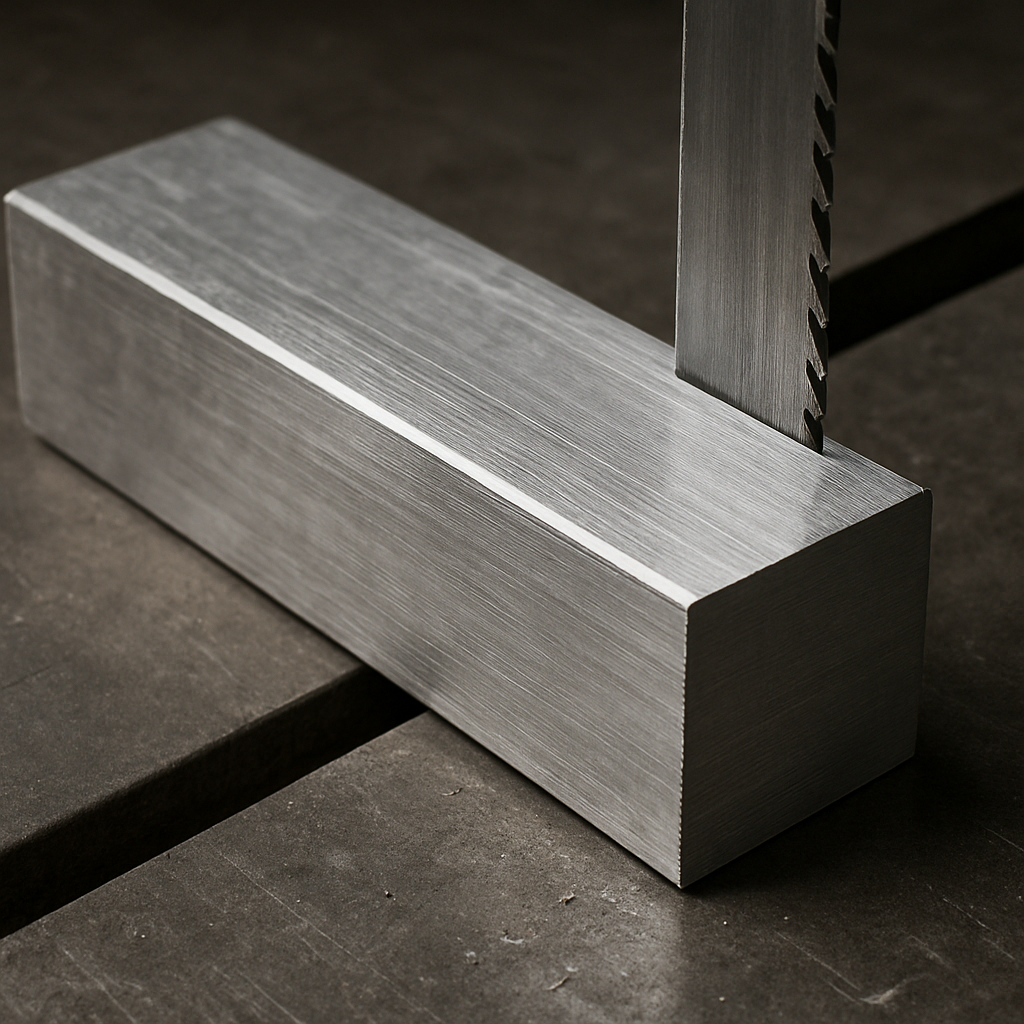
Aluminum is lightweight and versatile, making it ideal for various applications. To prevent discoloration when cutting aluminum, nitrogen is recommended for its inert properties, which reduce oxidation and preserve the material’s natural shine. This is particularly important in industries where the aesthetic appeal of aluminum components is crucial, such as in consumer electronics and automotive design.
Titanium
Titanium is known for its strength and resistance to high temperatures. When cutting titanium, nitrogen helps prevent oxidation and maintains the integrity of the material. This ensures that the mechanical properties of titanium are preserved, making it suitable for high-performance applications in aerospace and medical industries. Using nitrogen also helps achieve a smooth and clean surface, reducing the need for additional finishing processes.
 by Haseeb Modi (https://unsplash.com/@haseebm)
Conclusion
Preventing discoloration in laser cutting is essential for maintaining the aesthetic quality and performance of the finished product. By using nitrogen as an assist gas, you can effectively reduce oxidation, improve cut quality, and enhance the overall appearance of your laser-cut materials. Nitrogen’s inert properties make it a superior choice for preserving the natural characteristics of materials, ensuring a professional and polished finish.
By optimizing your laser cutting parameters, maintaining your equipment, and choosing the right materials, you can achieve the best possible results in your laser cutting projects. These practices not only enhance product quality but also improve operational efficiency and reduce costs. Whether you’re working with stainless steel, aluminum, or titanium, nitrogen offers a reliable solution to prevent discoloration and ensure a clean, professional finish.
Incorporating these tips and solutions into your laser cutting process will help you achieve superior results and meet the demands of industries where quality and appearance are paramount. By prioritizing these aspects, you can enhance your product offerings, satisfy customer expectations, and strengthen your position in the market.