When it comes to nitrogen generators, businesses in Europe often face a critical decision: Should they buy or lease? This choice involves weighing numerous factors, from upfront costs to long-term benefits. This article will provide a comprehensive cost analysis of buying versus leasing nitrogen generators in Europe, aiming to equip you with the necessary insights to make an informed decision.
 by NAIS (https://unsplash.com/@naisru)
The nitrogen generator market in Europe is thriving, driven by the increasing demand across various industries like food and beverage, pharmaceuticals, and manufacturing. These generators are crucial for operations that require a consistent and reliable nitrogen supply. However, deciding whether to buy or lease can significantly impact your business’s financial health.
Market Growth and Trends
The European nitrogen generator market is experiencing robust growth due to technological advancements and increasing industrial applications. Industries are recognizing the need for self-sufficiency and sustainability, driving the demand for onsite nitrogen generation. This trend is further accelerated by stringent environmental regulations and the need for operational efficiency.
Emerging markets in Eastern Europe are also contributing to this growth. These regions are seeing a surge in industrial development, leading to a higher demand for nitrogen generators. Additionally, the focus on reducing carbon footprints is prompting industries to consider more eco-friendly nitrogen generation solutions.
Industry Applications
Nitrogen generators serve a multitude of industries, each with unique needs and applications. In the food and beverage industry, nitrogen is essential for packaging, preserving freshness, and preventing oxidation. The pharmaceutical industry relies on nitrogen for creating inert atmospheres critical for the production and storage of medicines.
In manufacturing, nitrogen is used for laser cutting, chemical processing, and electronics production. Each of these applications requires a reliable and cost-effective nitrogen supply, making the decision to buy or lease a critical one. Understanding these industry-specific demands helps in assessing the benefits of owning versus leasing.
Technological Innovations
Technological innovations in nitrogen generation are constantly evolving, offering more efficient and cost-effective solutions. Membrane and PSA (Pressure Swing Adsorption) technologies have improved purity levels and energy efficiency. These advancements are crucial for businesses aiming to stay competitive and reduce operational costs.
The integration of IoT (Internet of Things) and remote monitoring capabilities in modern nitrogen generators allows for predictive maintenance and real-time performance tracking. These technological features can significantly influence the decision to buy or lease, as they impact both the initial investment and long-term maintenance considerations.
What Are Nitrogen Generators?
Nitrogen generators are devices that separate nitrogen from atmospheric air, providing a continuous supply of nitrogen gas. This technology is essential for industries requiring inert atmospheres or where nitrogen is used as a preservation agent. Understanding the costs and benefits associated with acquiring these machines is pivotal for operational efficiency.
Functionality and Types
Nitrogen generators operate by filtering out oxygen and other gases from atmospheric air, delivering high-purity nitrogen. The two main types are membrane nitrogen generators and PSA nitrogen generators. Membrane generators use hollow fiber membranes to separate nitrogen, while PSA generators utilize adsorption materials.
Each type has its own advantages. Membrane systems are compact and have low maintenance needs, making them suitable for smaller operations. PSA systems, on the other hand, can produce higher purity nitrogen, catering to industries with stringent purity requirements. Choosing the right type depends on your specific operational needs and budget constraints.
Benefits of Onsite Nitrogen Generation
Onsite nitrogen generation offers numerous benefits over traditional gas delivery methods. It eliminates the need for nitrogen cylinder transportation, reducing logistical challenges and associated costs. This leads to significant savings in the long run, particularly for industries with high nitrogen consumption.
Having a nitrogen generator onsite also ensures a constant supply, mitigating risks of production delays due to gas shortages. This reliability is crucial for maintaining product quality and meeting production timelines. Additionally, onsite generation contributes to a smaller carbon footprint, aligning with sustainability goals.
Cost Considerations
The cost of nitrogen generators varies based on capacity, technology, and features. While the initial investment might seem substantial, it is offset by long-term savings in gas procurement and transportation costs. Businesses must evaluate these costs against their operational budget and financial strategy.
Maintenance and operational costs are also important factors. While owning a nitrogen generator entails responsibility for upkeep, it can be more economical than ongoing rental costs. However, leasing options often include maintenance, which can be an attractive feature for businesses looking to minimize unexpected expenses.
Buying Nitrogen Generators: Pros and Cons
Purchasing a nitrogen generator can be a substantial investment, but it also comes with its own set of advantages and drawbacks.
Pros of Buying
- Long-term Savings
Although the initial purchase cost is high, owning a nitrogen generator can be more economical in the long run. You eliminate regular leasing fees and can depreciate the asset over time. This financial approach allows businesses to better manage their budgets and forecast future expenses with greater accuracy.
Ownership provides the advantage of leveraging tax benefits associated with asset depreciation. By owning the equipment, businesses can capitalize on tax deductions, enhancing cash flow and reducing taxable income. This strategic financial planning can result in significant savings over the lifespan of the equipment.
- Control and Customization
Owning allows for greater control over the equipment. You can customize and upgrade the system as needed to suit your specific requirements without the limitations often imposed by leasing agreements. This flexibility ensures that the equipment aligns perfectly with your operational needs, enhancing efficiency.
Customization options can include integrating advanced monitoring systems or modifying the setup to improve energy efficiency. Businesses can adapt their nitrogen generation systems to meet evolving technological advancements, ensuring they remain competitive and meet industry standards.
- Asset Value
Once purchased, the nitrogen generator becomes a part of your company’s assets, contributing to your balance sheet and possibly providing collateral for loans. This asset value can enhance your company’s financial standing, improving its ability to secure financing for future growth initiatives.
Owning a nitrogen generator also provides stability and predictability in your operational processes. By having a fixed asset, you can plan long-term production strategies without the uncertainties that accompany leasing agreements and potential equipment changes.
Cons of Buying
- High Upfront Costs
The initial purchase cost can be prohibitive, especially for small to medium-sized enterprises. This financial burden can impact cash flow and limit the ability to invest in other critical areas of the business. It’s essential to evaluate your company’s financial health before committing to such a significant expenditure.
Financing options, such as loans or leasing-to-own arrangements, might alleviate some of the upfront financial pressure. However, these solutions also come with their own set of financial obligations and interest costs that need careful consideration.
- Maintenance and Repairs
Ownership also means you are responsible for any maintenance and repair costs, which can add up over time. Regular maintenance is crucial for ensuring the longevity and efficiency of the equipment, but it requires both time and financial resources.
Establishing a comprehensive maintenance plan can help mitigate unexpected repair costs. Investing in routine inspections and servicing can prevent major breakdowns and prolong the life of the generator, ultimately safeguarding your investment.
- Obsolescence
Technology evolves rapidly, and owning a generator might mean dealing with outdated equipment that could necessitate costly upgrades. Staying competitive requires keeping up with technological advancements, which can be a significant challenge for businesses with limited upgrade budgets.
To counteract obsolescence, businesses can consider investing in modular systems that allow for incremental upgrades. This approach enables gradual adaptation to new technologies without the need for a complete system overhaul, reducing long-term costs.
Leasing Nitrogen Generators: Pros and Cons
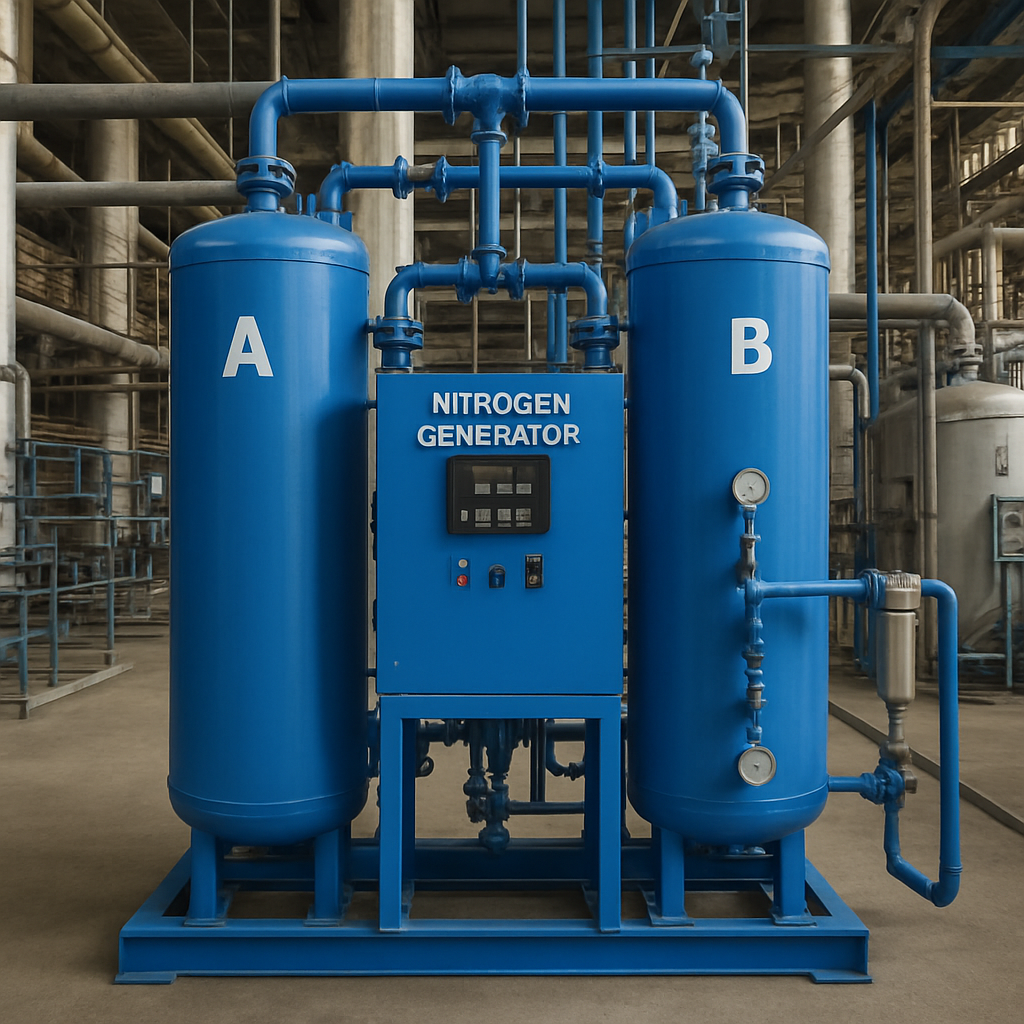
Leasing is an attractive option for businesses looking to minimize upfront expenses, but it also has its own advantages and disadvantages.
Pros of Leasing
- Lower Initial Costs
Leasing requires less initial capital outlay, making it accessible for businesses that may not have the funds to purchase outright. This financial flexibility allows companies to allocate resources to other critical areas, such as marketing or product development.
By opting for leasing, businesses can manage cash flow more effectively, ensuring they maintain sufficient working capital for day-to-day operations. This approach provides a financial cushion that can be crucial during periods of economic uncertainty or fluctuating market conditions.
- Maintenance Included
Many leasing agreements include maintenance and repair services, which can significantly reduce unexpected expenses. This arrangement provides peace of mind, knowing that any technical issues will be promptly addressed without additional costs.
Leasing providers often offer comprehensive service packages that include regular maintenance checks and emergency repairs. This ensures the equipment remains in optimal working condition, minimizing downtime and maximizing productivity.
- Flexibility
Leasing offers flexibility in terms of upgrading to newer models, allowing businesses to keep pace with technological advancements without large capital expenditures. This adaptability is particularly beneficial in industries where rapid technological changes are common.
By leasing, businesses can opt for shorter contract terms, providing the option to upgrade to the latest models as they become available. This ensures that companies are always equipped with the most efficient and up-to-date technology, maintaining their competitive edge.
Cons of Leasing
- Long-term Costs
Over time, leasing may become more expensive than purchasing due to the accumulation of monthly payments. This ongoing financial commitment can impact profitability, especially for businesses with long-term nitrogen generation needs.
It’s crucial to conduct a thorough cost analysis to determine the breakeven point between leasing and purchasing. Understanding these financial implications will help businesses make informed decisions that align with their long-term financial goals.
- Lack of Ownership
At the end of the lease term, you do not own the equipment, which means you do not have an asset to show for your investment. This lack of ownership can affect your company’s balance sheet and its ability to secure financing based on asset value.
Additionally, the absence of ownership means businesses must negotiate new leasing agreements at the end of each term. This can result in potential cost increases and the need to reassess equipment needs periodically, which might disrupt operational continuity.
- Contractual Obligations
Leasing agreements can be restrictive, with penalties for early termination or exceeding usage limits. These contractual terms can limit operational flexibility and lead to unexpected expenses if the terms are not meticulously managed.
Businesses must carefully review and negotiate lease agreements to ensure they align with operational needs and financial capabilities. Understanding all contractual obligations and potential penalties is essential for avoiding costly surprises and maintaining budgetary control.
Cost Analysis: Buying vs. Leasing
To make an informed decision, it’s crucial to conduct a detailed cost analysis of both options.
Initial Costs
- Buying: The purchase price of a nitrogen generator can range from €10,000 to over €100,000, depending on size and features. This substantial investment requires careful financial planning and consideration of available capital resources.
Financing options, such as equipment loans, can alleviate initial cost pressures but come with interest obligations. Evaluating these financing alternatives against your company’s financial strategy is essential for making a sound investment decision.
- Leasing: Initial costs are lower, with monthly payments typically ranging from €500 to €2,000, based on the contract terms and generator specifications. This financial arrangement allows for more predictable budgeting and cash flow management.
Leasing agreements often include options for end-of-term purchase or renewal, providing businesses with long-term flexibility. Exploring these options can help align leasing agreements with operational and financial objectives.
Long-term Financial Implications
- Buying: Over a 10-year period, purchasing can be more economical if the generator is well-maintained and depreciation is accounted for. This long-term savings potential is particularly attractive for businesses with stable nitrogen generation needs.
Ownership offers the advantage of fixed costs, as opposed to variable leasing fees that might fluctuate over time. This predictability allows for more accurate long-term financial planning and resource allocation.
- Leasing: While monthly costs accumulate, leasing can be advantageous if you anticipate needing frequent equipment updates or if capital is better allocated elsewhere. This flexibility allows businesses to adapt to changing technological and market conditions without significant financial strain.
Leasing also provides the opportunity to trial new technologies and equipment configurations before committing to purchase, reducing the risk of investing in unsuitable solutions. This adaptability is crucial for maintaining operational efficiency and competitiveness.
Making the Right Choice
 by Walls.io (https://unsplash.com/@walls_io)
When deciding between buying and leasing a nitrogen generator, consider the following factors:
- Financial Situation
Assess your company’s financial health and ability to handle upfront costs versus ongoing payments. Understanding your financial position will help determine whether purchasing or leasing aligns better with your strategic goals and cash flow requirements.
Conducting a thorough financial analysis, including cash flow projections and return on investment calculations, will provide valuable insights into the long-term implications of each option. This analysis should consider both direct and indirect costs, such as maintenance and operational expenses.
- Usage Needs
Determine the volume and frequency of nitrogen usage to evaluate if ownership or leasing better aligns with your operational needs. High-volume users might benefit more from the cost savings associated with ownership, while those with fluctuating needs might prefer the flexibility of leasing.
Analyzing historical nitrogen consumption data and future demand forecasts will aid in making a well-informed decision. Understanding your usage patterns is crucial for selecting the most cost-effective and efficient nitrogen generation solution.
- Technological Requirements
If staying ahead with the latest technology is vital, leasing might offer the flexibility you need. Rapid technological advancements can render equipment obsolete quickly, making leasing an attractive option for businesses prioritizing cutting-edge technology.
Evaluate the importance of technological innovation within your industry and consider how it aligns with your business strategy. If maintaining the latest technology is crucial for competitive advantage, leasing can provide the necessary adaptability.
- Long-term Plans
Consider your long-term business strategy and how owning or leasing a generator fits into that plan. Aligning your nitrogen generation solution with your strategic goals will ensure operational efficiency and financial sustainability.
Reflect on your company’s growth trajectory and future expansion plans. If scalability and flexibility are key considerations, leasing might offer the adaptability needed to support evolving business needs.
Conclusion
Choosing between buying and leasing a nitrogen generator in Europe depends on various factors, including cost, flexibility, and business needs. By understanding the pros and cons of each option and conducting a thorough cost analysis, you can make a decision that supports your company’s operational and financial goals. Whether you choose to buy or lease, investing in a nitrogen generator is a crucial step in ensuring efficiency and reliability in your production processes. With the right approach, you can optimize your nitrogen generation solution to meet your specific industry demands and drive long-term success.