In the maritime world, safety and efficiency are paramount. For dual engine vessels, these aspects are even more critical due to the complexity and power of their operations. One essential tool that significantly enhances both safety and efficiency at sea is the nitrogen generator. This article explores the importance of nitrogen generators for dual engine ships and how they contribute to safer and more efficient maritime operations.
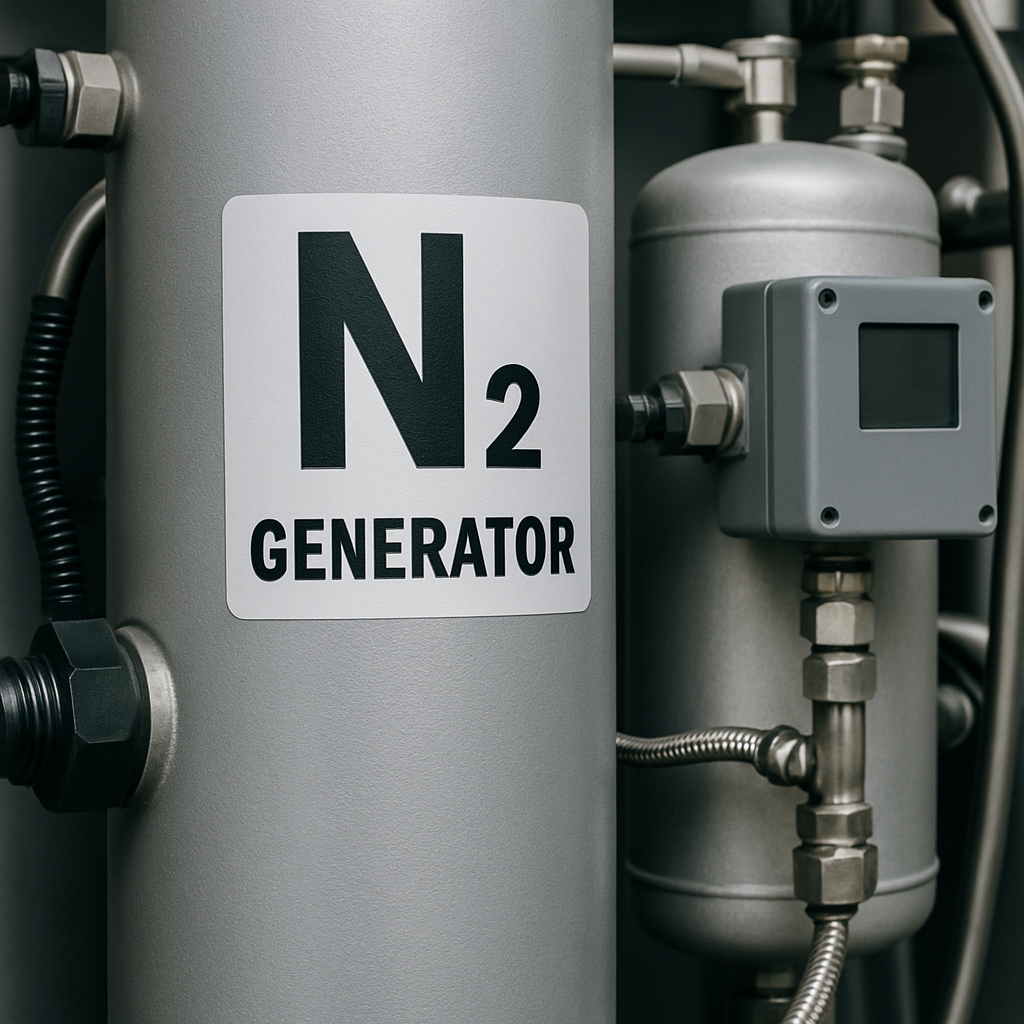
What is a Nitrogen Generator?
A nitrogen generator is a device that separates nitrogen gas from atmospheric air. The air around us is composed of approximately 78% nitrogen, and these generators use advanced technology to isolate and produce nitrogen gas with high purity levels. This nitrogen gas is then used for various applications, particularly in inerting systems on ships.
Why Use Nitrogen on Ships?
Nitrogen is an inert gas, meaning it is non-reactive under standard conditions. This quality makes it ideal for preventing fires and explosions, which is crucial on vessels where fuel and other flammable materials are present. By filling fuel tanks and other spaces with nitrogen, the oxygen level is reduced, significantly decreasing the risk of combustion.
The Need for Nitrogen Generators on Dual Engine Vessels
Enhancing Safety
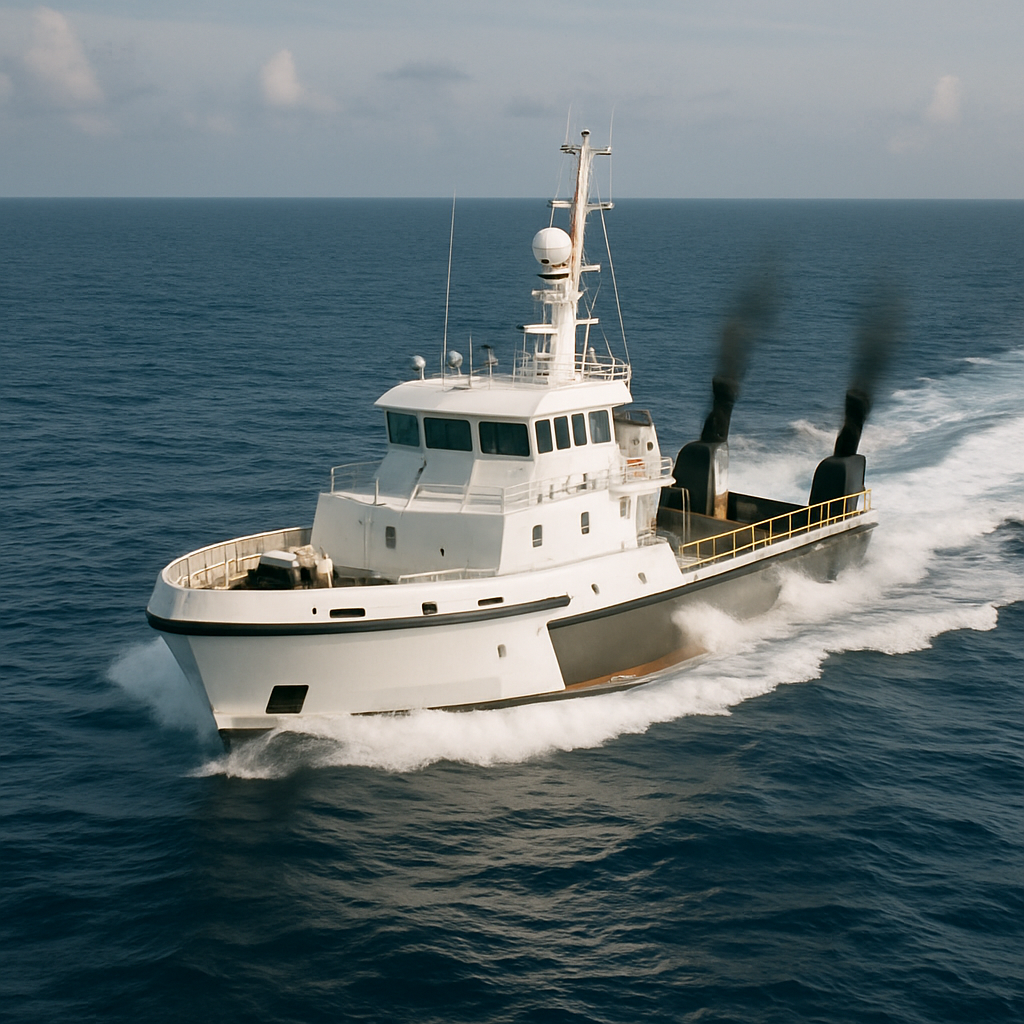
For dual engine vessels, safety is a top priority. The presence of two powerful engines increases the risk of incidents if not managed correctly. Nitrogen generators play a vital role in enhancing safety by providing a reliable source of inert gas to prevent fires and explosions. By maintaining an inert atmosphere in fuel tanks and other critical areas, the potential for dangerous situations is minimized.
Improving Efficiency
Efficiency is another crucial factor for dual engine vessels. Nitrogen generators contribute to operational efficiency by ensuring that engines and other systems function optimally. By preventing oxidation and corrosion in fuel systems and pipelines, these generators help maintain the integrity of essential components, reducing downtime and maintenance costs.
Environmental Benefits
Nitrogen generators also support environmental sustainability. By preventing fuel oxidation and minimizing emissions, they help vessels comply with international environmental regulations. This not only protects the marine environment but also enhances the reputation of shipping companies committed to sustainable practices.
How Nitrogen Generators Work on Dual Engine Vessels
The Process of Nitrogen Generation
Nitrogen generators on dual engine vessels typically use either membrane or pressure swing adsorption (PSA) technology to produce nitrogen gas.
- Membrane Technology: This involves passing compressed air through a membrane that allows nitrogen to pass while blocking other gases.
- PSA Technology: This method uses materials that adsorb oxygen and other gases at high pressures, leaving behind pure nitrogen.
Both technologies are efficient and effective, providing a continuous supply of nitrogen gas to meet the needs of dual engine vessels.
Installation and Integration
Integrating a nitrogen generator into a dual engine vessel’s existing systems is a straightforward process. These generators are compact and can be installed in various locations onboard the ship. They are designed to operate seamlessly with other onboard systems, ensuring that the supply of nitrogen is consistent and reliable.
The Importance of Maintenance and Monitoring
 by Eini Trujillo (https://unsplash.com/@einictm)
Regular Maintenance
To ensure optimal performance, nitrogen generators require regular maintenance. This includes routine checks and servicing to prevent wear and tear and address any potential issues before they escalate. Regular maintenance ensures that the generator continues to function efficiently, providing a reliable supply of nitrogen gas.
Monitoring Systems
Modern nitrogen generators come equipped with monitoring systems that provide real-time data on their performance. These systems alert the crew to any deviations from normal operating conditions, allowing for prompt corrective action. By monitoring key parameters, such as pressure and purity levels, crews can ensure that the generator operates efficiently and safely at all times.
Case Study: Benefits Realized by Dual Engine Vessels
Real-World Example
Consider a dual engine cargo vessel operating in the busy shipping lanes of the Atlantic. This vessel installed a nitrogen generator to enhance safety and efficiency. The results were impressive:
- Increased Safety: The risk of fire and explosion was drastically reduced, providing peace of mind to the crew and operators.
- Reduced Maintenance Costs: By minimizing oxidation and corrosion, the vessel experienced fewer maintenance issues, leading to significant cost savings.
- Improved Compliance: With reduced emissions and adherence to environmental regulations, the vessel maintained compliance with international standards.
This case study highlights the tangible benefits that nitrogen generators offer to dual engine vessels, emphasizing their importance in modern maritime operations.
Conclusion
In the dynamic and demanding environment of maritime operations, dual engine vessels face unique challenges. A nitrogen generator is a critical tool that enhances safety, improves efficiency, and supports environmental sustainability. By integrating these systems onboard, vessel operators can ensure safer, more efficient, and environmentally friendly operations at sea.
Investing in a nitrogen generator for dual engine vessels is not just a wise decision—it’s an essential step towards modernizing maritime safety and efficiency. As technology advances and regulations become more stringent, nitrogen generators will continue to play a crucial role in the success and sustainability of the maritime industry.