In the fast-paced world of food and beverage, maintaining product freshness and quality is paramount. A key player in achieving this is the nitrogen generator, a device that helps preserve food by replacing oxygen with nitrogen in the packaging process. But what exactly is a nitrogen generator for food packaging, how does it work, and what benefits does it offer? Moreover, how do you choose the right one for your needs? Let’s dive in.
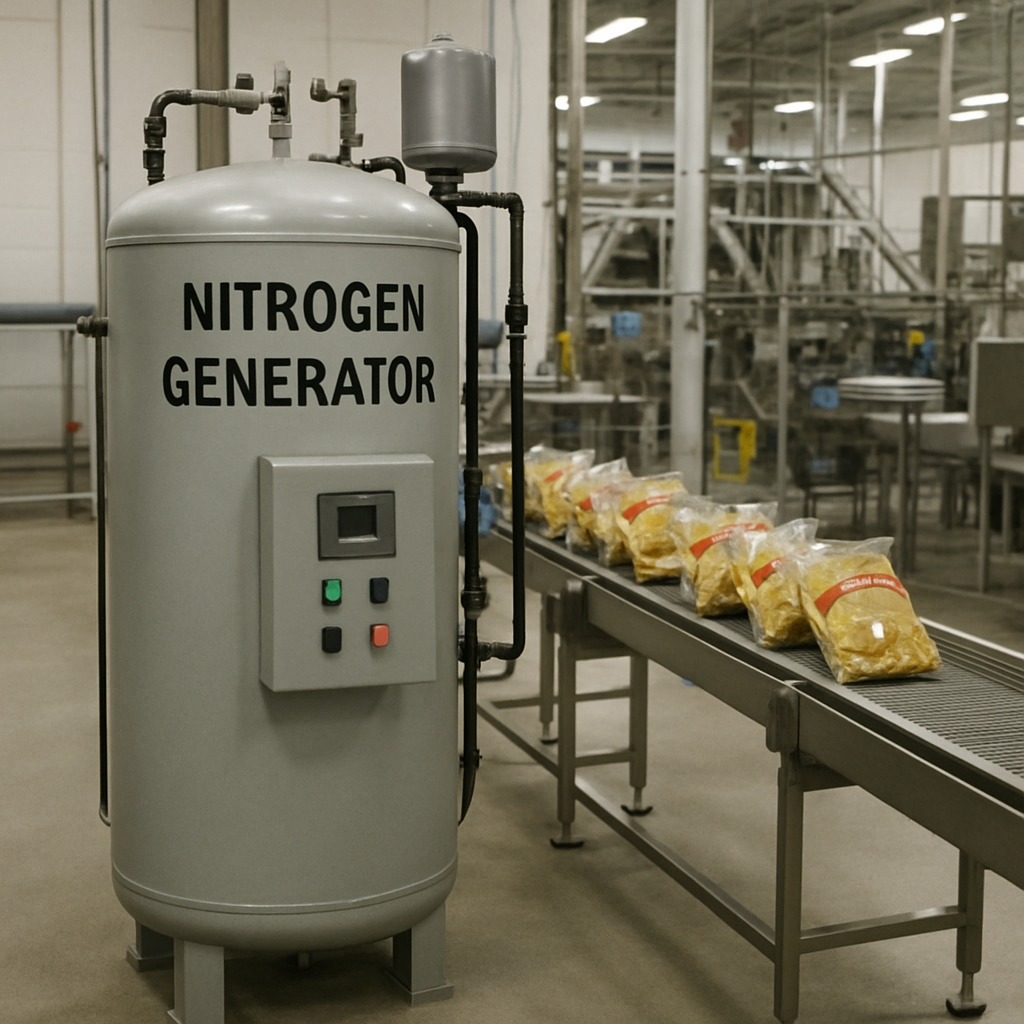
A nitrogen generator is a machine that produces nitrogen gas from compressed air. This gas is then used in food packaging to create a controlled atmosphere that extends the shelf life of products. The process involves removing oxygen and replacing it with nitrogen, an inert gas that does not react with food, thus preventing spoilage.
How Do Nitrogen Generators Work?
Nitrogen generators operate by using either Pressure Swing Adsorption (PSA) or membrane technology. Both methods separate nitrogen from the air, but they do so in different ways.
- Pressure Swing Adsorption (PSA): This method uses adsorbent materials to trap oxygen and other gases, allowing nitrogen to pass through. The adsorbent is then depressurized to release the trapped gases, and the cycle repeats.
- Membrane Technology: This method uses a membrane to filter out oxygen and other gases, leaving behind nitrogen. The membrane consists of tiny pores that allow smaller oxygen molecules to pass through while retaining larger nitrogen molecules.
Benefits of Using Nitrogen in Food Packaging
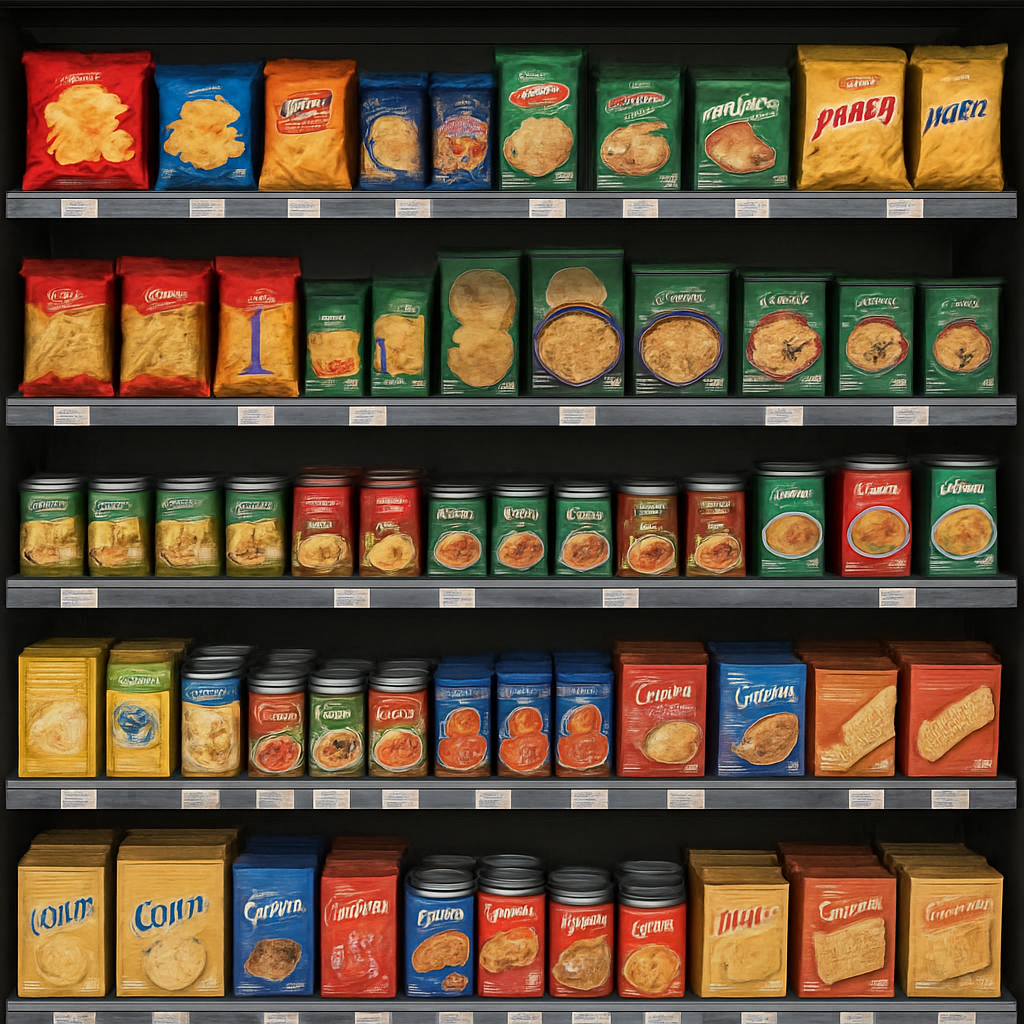
Using nitrogen in food packaging offers several advantages that contribute to product quality and longevity.
Extended Shelf Life
Nitrogen creates an inert atmosphere that slows down the oxidation process, which is a common cause of food spoilage. By reducing oxygen levels, nitrogen helps keep food fresher for longer.
Preservation of Quality
Nitrogen prevents the growth of aerobic bacteria and molds that thrive in oxygen-rich environments. This preservation helps maintain the texture, flavor, and nutritional value of the packaged food.
Cost-Effective Solution
Investing in a nitrogen generator can be more cost-effective in the long run compared to buying pre-filled nitrogen tanks. Generators provide a continuous supply of nitrogen, reducing the need for frequent purchases and deliveries.
Eco-Friendly Packaging
Using nitrogen generators reduces the reliance on disposable packaging materials and minimizes waste. By extending shelf life, less food is discarded, contributing to a more sustainable food supply chain.
Choosing the Right Nitrogen Generator
Selecting the right nitrogen generator for food packaging involves considering several factors to ensure it meets your specific needs.
Determine Your Nitrogen Requirements
Assess the volume of nitrogen needed for your packaging operations. This will depend on the size of your production line and the types of products being packaged. Calculate the flow rate and purity level required for optimal performance.
Evaluate Technology Options
Decide between PSA and membrane technology based on your operational needs and budget. PSA systems are known for producing higher purity nitrogen, while membrane systems offer a more compact and energy-efficient solution.
Consider Installation and Maintenance
Choose a generator that is easy to install and maintain. Look for features such as user-friendly controls and automated monitoring systems that simplify operation and upkeep.
Assess Energy Efficiency
Energy consumption is a key factor in the overall cost of running a nitrogen generator. Opt for a model that offers high energy efficiency to minimize operational expenses.
Factor in Budget and ROI
Evaluate the initial investment against the potential savings on nitrogen supply and waste reduction. A cost-benefit analysis will help determine the return on investment for the chosen generator.
Real-World Application: Nitrogen in the Food Industry

by A.Kwiatek Schwarzkopf (https://unsplash.com/@akwiatek)
Nitrogen generators are widely used across various segments of the food and beverage industry. Here are some common applications:
- Snack Foods: Nitrogen is used to fill bags of chips and snacks, preventing them from becoming stale or crushed during transport.
- Beverages: In wine and juice bottling, nitrogen is used to displace oxygen, preserving flavor and extending shelf life.
- Dairy Products: Nitrogen helps maintain the freshness and quality of cheese and other dairy products by preventing spoilage.
- Packaged Meats: Nitrogen atmospheres inhibit the growth of bacteria in packaged meats, ensuring safety and quality.
Conclusion
Nitrogen generators play a crucial role in the food packaging industry by creating environments that preserve freshness and extend the shelf life of products. By understanding how these generators work and the benefits they offer, you can make an informed decision when choosing the right system for your needs. Whether you’re in the snack food sector or beverage production, a nitrogen generator is a valuable investment that supports product quality, sustainability, and cost-effectiveness.
With this knowledge, you’re now equipped to enhance your packaging operations and deliver high-quality products to your customers while optimizing your production processes.