Introduction
Nitrogen is a common element that plays a significant role in various industrial processes and natural phenomena. Often associated with the term “inert,” nitrogen is widely used for its stable and non-reactive properties. But is nitrogen truly inert? In this article, we’ll explore the inert gas definition, the uses of nitrogen, and its inertness in different contexts.
The Ubiquity of Nitrogen
Nitrogen is not just abundant; it is a cornerstone of life on Earth. Apart from dominating the atmosphere, it is a key component of amino acids and nucleic acids, forming the building blocks of life. Its presence in the nitrogen cycle, where it moves from the atmosphere to the soil and living organisms and back again, highlights its ecological importance. Despite being a major player in these natural processes, nitrogen’s inertness is a topic of interest and debate.
Industrial Significance
Beyond its natural abundance, nitrogen’s unique properties make it indispensable in various industries. In the chemical sector, it’s used to create a non-reactive environment, preventing unwanted chemical reactions that could lead to hazards or product degradation. Its role in the production of fertilizers through the Haber process underscores its industrial importance. Moreover, nitrogen’s application extends to the electronics and food industries, where its inert-like properties are highly valued.
Misconceptions About Inertness
The term “inert” often leads to misunderstandings about nitrogen’s true nature. While it is stable and non-reactive under normal conditions, this does not mean it cannot react. The conditions under which nitrogen becomes reactive are specific and often extreme, which we will explore further. Recognizing these nuances is essential for harnessing nitrogen’s full potential in various applications.
What is an Inert Gas?
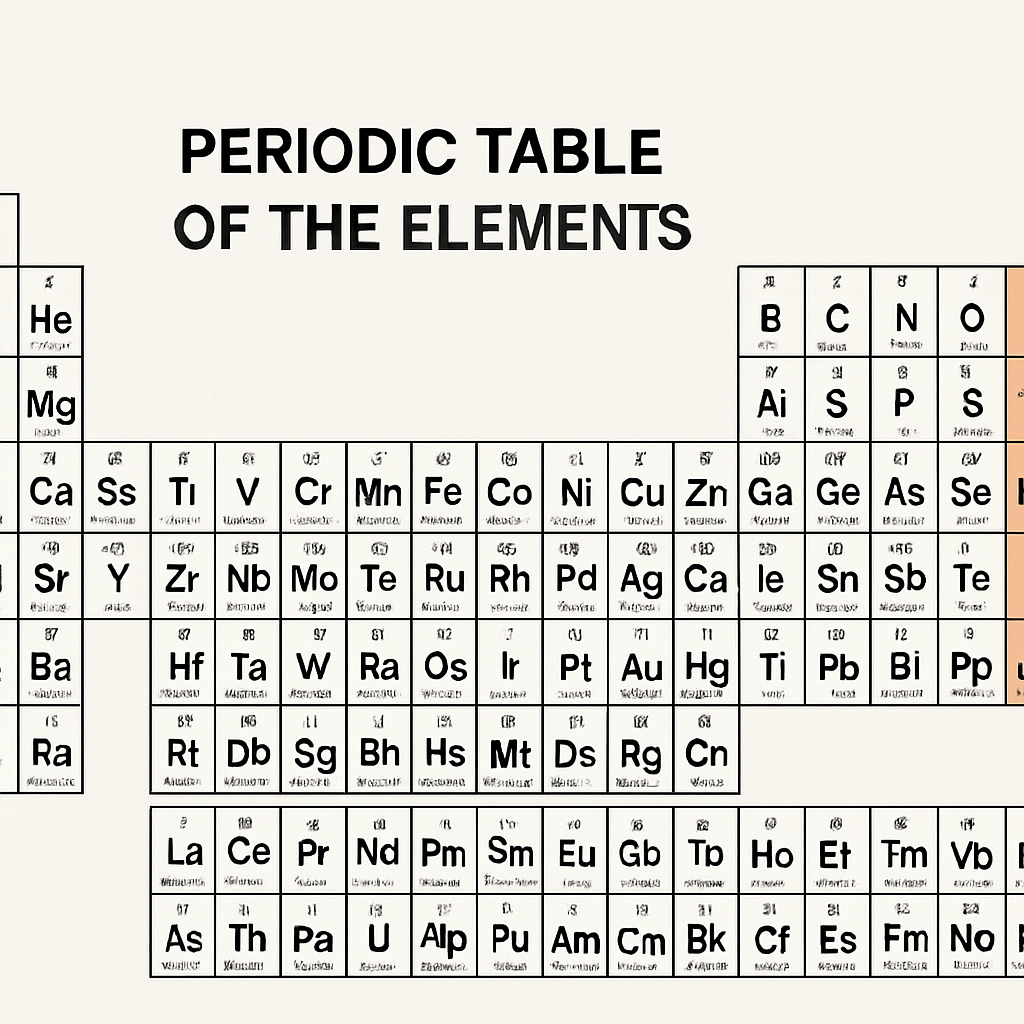
Before diving into nitrogen’s properties, it’s essential to understand what an inert gas is. An inert gas is a gas that does not undergo chemical reactions under a set of given conditions. These gases are characterized by their lack of reactivity due to their complete valence electron shell. Common examples include noble gases like helium, neon, and argon.
Defining Inertness
Inertness is a term that describes the inability of a substance to undergo chemical reactions easily. In the case of gases, this characteristic is predominantly due to their electronic configuration, which is stable and complete. Noble gases are the epitome of inertness, exhibiting minimal reactivity even under extreme conditions. This property is crucial in applications where chemical stability is paramount.
Historical Context of Inert Gases
The concept of inert gases dates back to the discovery of noble gases in the late 19th century. Scientists were intrigued by these gases’ lack of chemical activity, which led to their classification as “noble” or “inert.” This discovery revolutionized the understanding of chemical reactivity and stability, influencing how these gases are utilized in modern applications. Their unique position in the periodic table further cemented their status as the benchmark for inertness.
Practical Applications
Inert gases are invaluable in various fields due to their non-reactive nature. In welding, for example, argon and helium are used to protect the weld area from atmospheric gases that could cause defects. In lighting, neon is a popular choice for its ability to emit a bright glow without reacting with other materials. Additionally, inert gases play a vital role in scientific research, providing stable environments for sensitive experiments.
Nitrogen and Its Uses
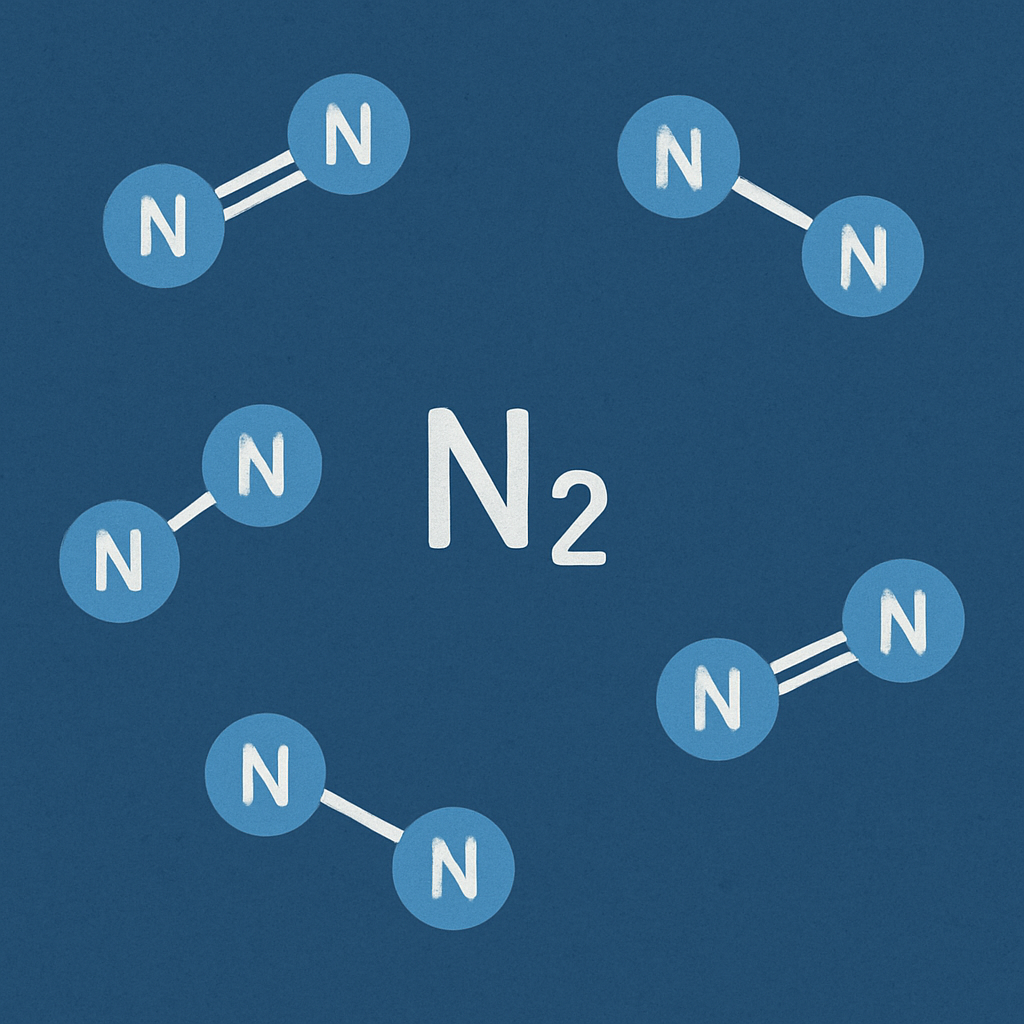
Nitrogen is the most abundant gas in Earth’s atmosphere, making up about 78% of the air we breathe. Despite its prevalence, nitrogen is not a noble gas. Instead, it is a diatomic molecule (N₂) that exhibits some inert-like properties.
Nitrogen’s Role in Nature
In the natural world, nitrogen is a fundamental element for living organisms. It is a critical component of proteins, which are essential for the structure and function of cells. The nitrogen cycle is a vital ecological process, recycling nitrogen through the atmosphere, soil, and organisms. This cycle ensures that nitrogen remains available for various biological processes, highlighting its indispensable role in sustaining life.
Industrial and Commercial Applications
Industrially, nitrogen’s inert-like properties are harnessed for numerous applications. In food preservation, nitrogen gas displaces oxygen to prevent spoilage and extend shelf life. In the chemical industry, it serves as a blanketing gas to prevent oxidation and other unwanted reactions. Its use in cryogenics, particularly in the form of liquid nitrogen, provides revolutionary methods for preserving biological samples and conducting scientific research.
Nitrogen in Medicine and Technology
Nitrogen’s versatility extends to the medical and technological fields. In medicine, liquid nitrogen is used in cryotherapy to treat skin conditions by freezing and destroying abnormal tissue. In electronics, nitrogen is utilized to create controlled environments for semiconductor manufacturing, ensuring the purity and integrity of electronic components. These diverse applications showcase nitrogen’s adaptability and importance across various domains.
Why Is Nitrogen Considered Inert?
Nitrogen is considered inert in many applications because it does not readily react with other substances at room temperature. The strong triple bond between the two nitrogen atoms in N₂ molecules is responsible for this stability. This bond requires significant energy to break, which is why nitrogen remains unreactive under normal conditions.
Is Nitrogen Truly Inert?
While nitrogen is often labeled as inert, it is not entirely so. The term “inert” can be misleading when applied to nitrogen, as it can participate in chemical reactions under specific conditions.
Reactivity Under Special Conditions
- High Temperatures: At elevated temperatures, nitrogen can react with other elements. For instance, it combines with oxygen to form nitrogen oxides, which are significant in pollution and acid rain.Nitrogen Oxides Formation: When nitrogen is exposed to high temperatures, such as those found in combustion engines or industrial processes, it reacts with oxygen to form nitrogen oxides (NOx). These compounds are pollutants that contribute to environmental issues like smog and acid rain. Understanding and controlling these reactions is crucial for reducing environmental impact.Industrial Implications: In industries like steelmaking, controlling nitrogen’s reactivity at high temperatures is vital to prevent the formation of unwanted compounds. By managing these reactions, industries can improve efficiency and reduce the environmental footprint of their processes.
- Presence of Catalysts: Certain catalysts can facilitate the reaction of nitrogen with hydrogen to produce ammonia in the Haber process, a critical industrial reaction for producing fertilizers.The Haber Process: This industrial process uses iron catalysts to enable the reaction between nitrogen and hydrogen, producing ammonia. Ammonia is a key ingredient in fertilizers, essential for modern agriculture. The Haber process is a prime example of how catalysts can unlock nitrogen’s reactivity, making it a cornerstone of food production.
- Catalyst Innovation: Ongoing research in catalyst development aims to enhance the efficiency of the Haber process. By improving catalysts, industries can reduce energy consumption and increase ammonia yield, making fertilizer production more sustainable.
- Electrical Discharges: Lightning can cause nitrogen to react with oxygen, creating nitrogen oxides naturally.Natural Phenomena: Lightning provides the energy needed to break the strong nitrogen bonds, allowing it to react with oxygen. This natural process contributes to the formation of nitrogen oxides in the atmosphere, playing a role in the nitrogen cycle.Environmental Impact: While natural, these reactions contribute to atmospheric nitrogen oxides, impacting air quality and climate. Understanding these natural processes helps scientists develop strategies to mitigate their effects.
Comparisons with Noble Gases
Unlike noble gases, which remain non-reactive under most conditions, nitrogen’s reactivity changes with temperature, pressure, and the presence of catalysts. Therefore, while nitrogen exhibits inert characteristics, it does not fit the strict definition of an inert gas.
- Reactivity Spectrum: Nitrogen’s reactivity is context-dependent, contrasting with the consistent inertness of noble gases. This variability is both a challenge and an opportunity, allowing for diverse applications that require both stability and reactivity.
- Applications and Limitations: The ability to switch between inert and reactive states makes nitrogen versatile, but it also necessitates careful control in industrial settings. By understanding these differences, industries can better tailor nitrogen’s use to specific applications, optimizing safety and efficiency.
Conclusion
Nitrogen is a versatile and essential element in various fields, often valued for its inert-like properties. However, it is not truly inert in the sense that noble gases are. Understanding the conditions under which nitrogen can react helps us harness its potential while recognizing its limitations. By appreciating nitrogen’s dual nature, industries can better utilize its properties for safe and efficient applications.
Appreciating Nitrogen’s Dual Nature
Recognizing nitrogen’s dual nature allows us to leverage its properties across a wide range of applications. While its inertness offers stability and safety, its reactivity under controlled conditions opens avenues for innovation and development. This duality is a testament to nitrogen’s unique position as both a protector and a catalyst in industrial and natural processes.
Harnessing Nitrogen’s Potential
Industries can maximize nitrogen’s potential by carefully managing the conditions under which it is used. Whether in agriculture, medicine, or manufacturing, understanding and controlling nitrogen’s reactivity ensures optimal performance and minimal environmental impact. As we continue to explore and innovate, nitrogen remains a key player in driving progress and sustainability.
Future Perspectives
As technology and scientific understanding advance, new applications for nitrogen are likely to emerge. From improving agricultural practices to developing sustainable energy solutions, nitrogen’s role is set to expand. By continuing to study and harness its properties, we can ensure that nitrogen remains a vital resource in addressing the challenges of the future.
 by Akshay Kharat (https://unsplash.com/@ikharat)
In summary, while nitrogen may often be considered inert due to its stability and non-reactivity at room temperature, it is reactive under certain conditions. This understanding allows us to appreciate nitrogen’s role in both nature and industry, where it continues to be an invaluable resource.