When you’re in the market for a nitrogen generator, whether it’s for industrial use, food and beverage production, or any other application, it’s essential to know what features and specifications to consider. Understanding these factors will ensure that you make an informed purchase that meets your specific needs. In this article, we will explore the key considerations when looking for a nitrogen generator for sale.
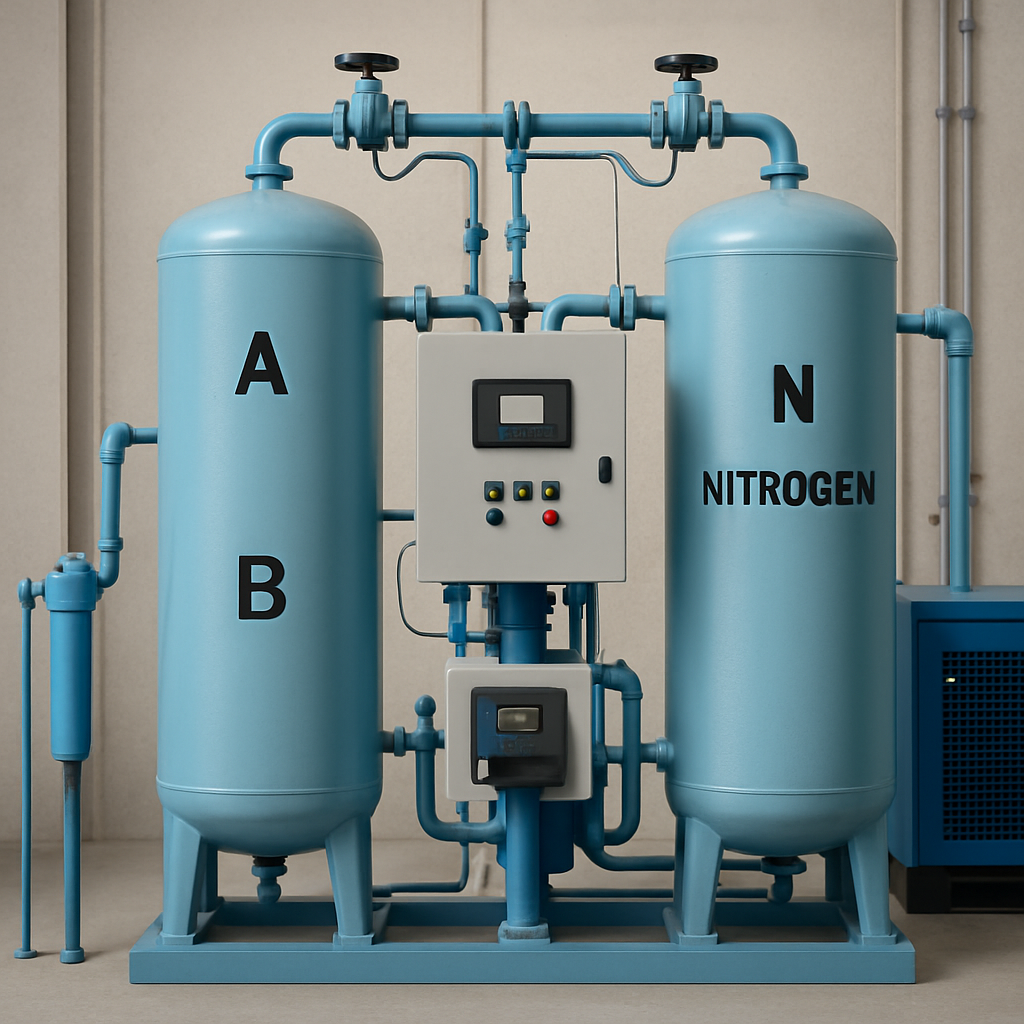
Before diving into the specifics of what to look for, let’s briefly discuss what nitrogen generators are and their applications. Nitrogen generators are systems that produce nitrogen gas from the air. They are used in various industries, including food and beverage, pharmaceuticals, and manufacturing, to provide a consistent and reliable source of nitrogen.
Types of Nitrogen Generators
There are several types of nitrogen generators, each suited for different applications:
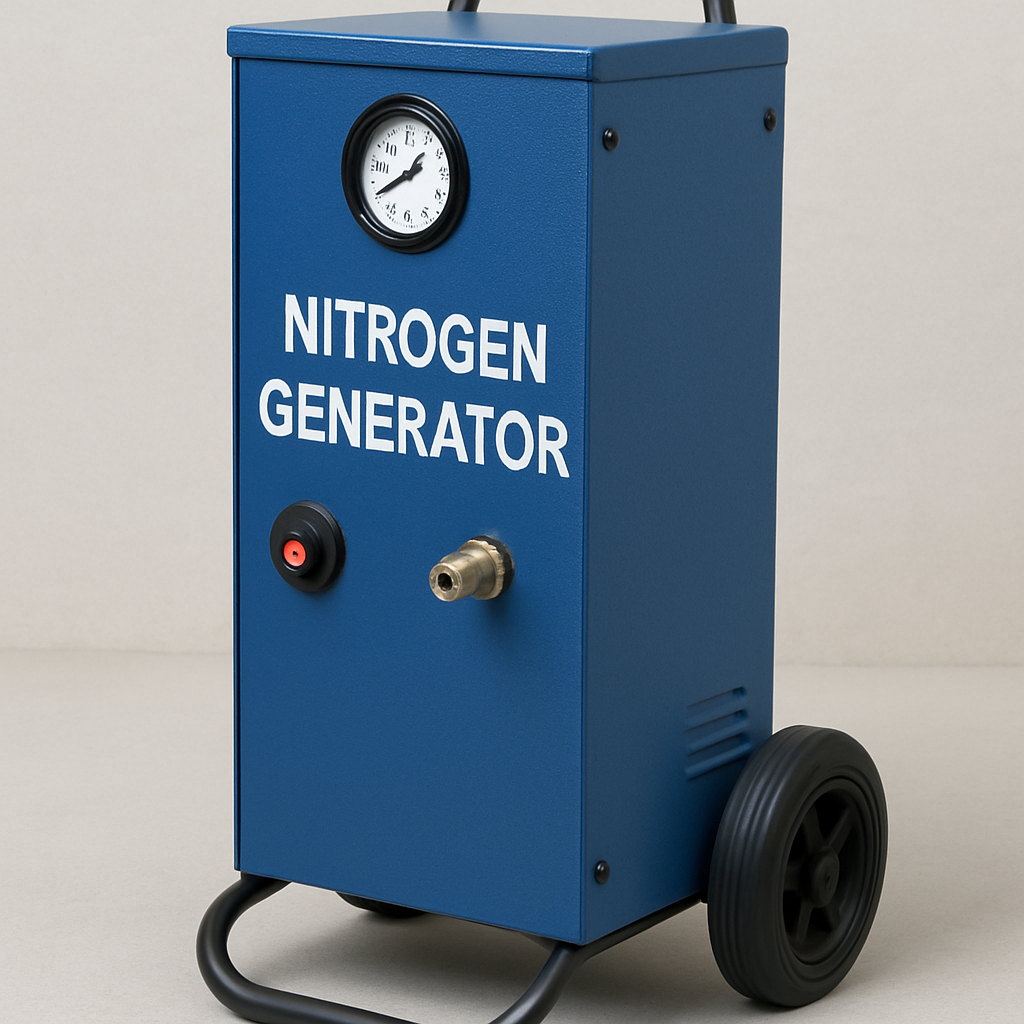
- Portable Nitrogen Generators: These are ideal for on-the-go applications or smaller operations where space is limited.
- Industrial Nitrogen Generators: Designed for large-scale operations, these systems can provide high volumes of nitrogen.
- Nitrogen Generators for Dual Engine Ships and Vessels: These are used in marine settings to prevent corrosion and ensure safe operations.
- Nitrogen Generators for Food and Beverage: Used to preserve freshness and extend the shelf life of products.
- Nitrogen Generators for Medicine and Pharmaceutical Production: Essential for creating a controlled environment in manufacturing processes.
Key Considerations
Purity Levels
One of the first things to consider is the purity level of the nitrogen the generator can produce. Different applications require different purity levels. For example, nitrogen used in laser cutting may require higher purity levels compared to nitrogen used in food production. Ensure that the generator you choose can deliver the required purity for your specific application.
Flow Rate and Capacity
Flow rate and capacity are crucial factors to consider, especially if your operations require a significant amount of nitrogen. The flow rate is the amount of nitrogen the generator can produce over a specific period, usually measured in liters per minute (LPM). Be sure to choose a generator that can meet your operational needs without overworking the system.
Energy Efficiency
Energy consumption is another important consideration. Look for a nitrogen generator that is energy efficient, as this will reduce operational costs over time. Some models come with energy-saving modes or advanced technologies that optimize power usage.
Maintenance Requirements
All machinery requires maintenance, and nitrogen generators are no exception. Consider the maintenance needs of the generator, including how often it needs servicing and the availability of replacement parts. A system that requires less frequent maintenance and has readily available parts will save you time and money in the long run.
Installation and Space Requirements
The physical size of the nitrogen generator and the space available in your facility should be considered. Portable nitrogen generators are a good option if space is limited or if you need to move the unit frequently. For larger operations, ensure that you have adequate space and that the installation process is feasible for your facility.
Industry-Specific Considerations
Food and Beverage Industry
When looking for a nitrogen generator for food production, consider systems that are specifically designed for this purpose. These generators should be compliant with food safety standards and provide nitrogen at the purity level required to preserve food products.
Pharmaceutical Industry
For the pharmaceutical industry, nitrogen generators must meet stringent purity and safety standards. The generator should be capable of producing nitrogen at a consistent purity level to ensure the quality and safety of medicinal products.
 by National Cancer Institute (https://unsplash.com/@nci)
Marine Applications
In marine settings, such as on dual engine ships and vessels, nitrogen generators are used to prevent corrosion and maintain safety. Look for generators that are designed to withstand harsh marine environments and offer reliability in these challenging conditions.
Technological Features
Modern nitrogen generators come with various technological advancements that can enhance their functionality and ease of use. Consider features such as:
- Automated Controls: These allow for easy operation and monitoring of the generator.
- Remote Monitoring: Some systems offer remote monitoring capabilities, allowing you to track performance and make adjustments as needed.
- Advanced Filtration Systems: These ensure that the nitrogen produced is free from contaminants.
Cost Considerations
While cost is always a factor, it’s important to consider the long-term value of the nitrogen generator rather than just the initial purchase price. Consider factors such as energy efficiency, maintenance costs, and the longevity of the system. Investing in a high-quality generator may have higher upfront costs but will save money over time through reduced operational expenses and increased reliability.
Conclusion
Purchasing a nitrogen generator requires careful consideration of several factors, including purity levels, flow rate, energy efficiency, and industry-specific requirements. By understanding these key considerations and selecting a generator that meets your specific needs, you can ensure a successful investment that enhances your operations.
Whether you’re in the food and beverage industry, pharmaceutical production, or need a system for marine applications, choosing the right nitrogen generator is crucial. Take the time to research and evaluate options, and consult with experts if needed to make the best decision for your needs.
Founded in 2013 and 2014, Shenzhen Yuhan Electronic Technology Co., Ltd. and Suzhou Hongjinli Gas Equipment Co., Ltd. specialize in PSA nitrogen generators, oxygen generators, nitrogen purification systems, and gas equipment solutions. Our expertise spans industries including SMT manufacturing, semiconductor packaging, optoelectronics, and food and pharmaceutical storage.