In the pharmaceutical industry, maintaining a controlled and sterile environment is crucial for the production of high-quality medicines. One essential element in achieving this is the use of nitrogen gas. Traditionally, nitrogen was sourced in bulk deliveries or high-pressure cylinders, but modern advances have introduced a more efficient solution: nitrogen generators. Let’s explore the benefits of nitrogen generators in pharmaceutical manufacturing.
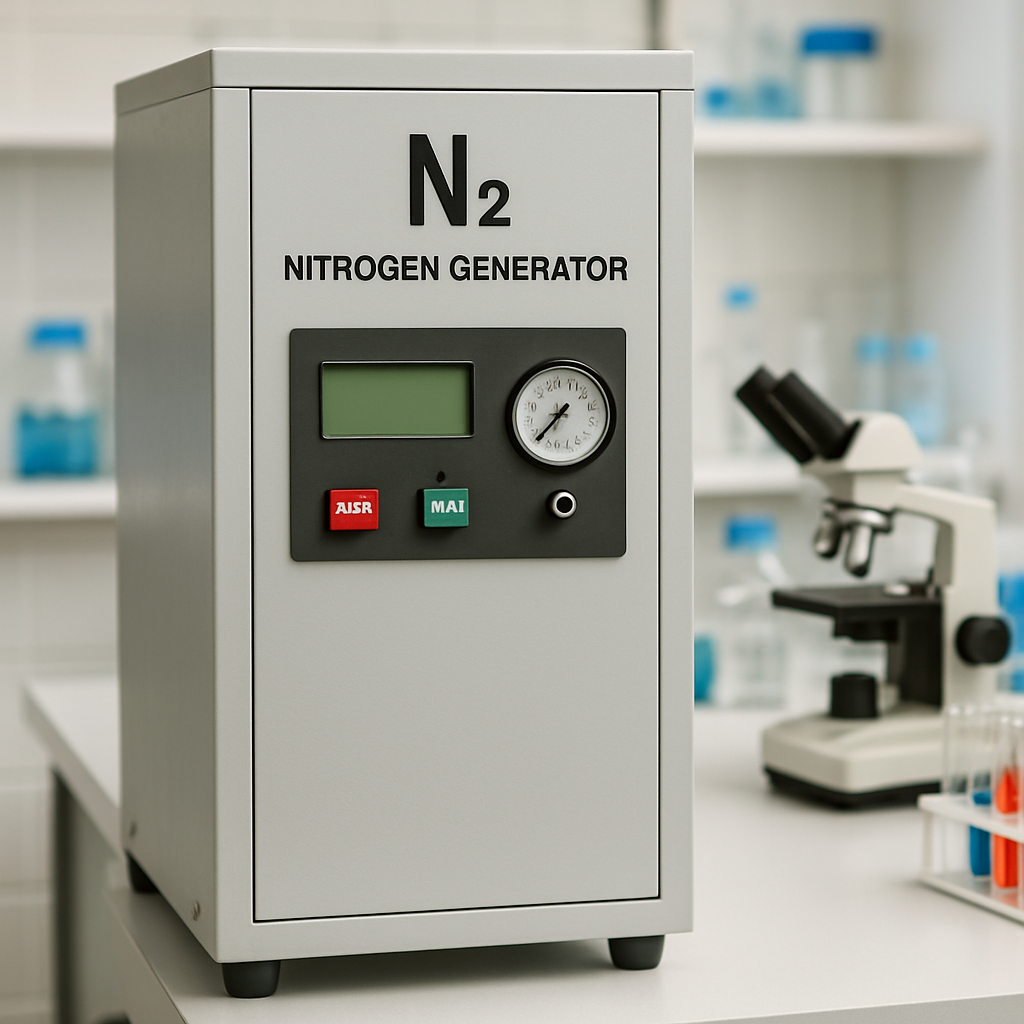
A nitrogen generator is a device that produces nitrogen gas from ambient air. These generators utilize either pressure swing adsorption (PSA) or membrane technology to separate nitrogen from other gases present in the air, providing a continuous supply of high-purity nitrogen.
Types of Nitrogen Generators
There are two primary types of nitrogen generators used in the pharmaceutical industry:
- Pressure Swing Adsorption (PSA) Generators: These use a material called a molecular sieve to absorb oxygen and other trace gases, leaving behind nitrogen.
- Membrane Generators: These use a semi-permeable membrane to separate nitrogen from other gases based on their molecular size and permeability.
Importance of Nitrogen in Pharmaceuticals
Nitrogen plays a significant role in the pharmaceutical industry due to its inert properties. It is used to prevent oxidation, moisture, and contamination during manufacturing and packaging processes.
Applications in Medicinal Manufacturing
- Inert Atmosphere: Nitrogen is used to create an inert atmosphere, preventing oxidation and degradation of sensitive pharmaceutical products.
- Purging and Blanketing: It helps in purging and blanketing processes to remove oxygen and moisture, ensuring the stability and quality of the products.
- Packaging: Nitrogen is used in the packaging of medicines to extend their shelf life by preventing exposure to oxygen and moisture.
Benefits of Using Nitrogen Generators
Switching to nitrogen generators offers numerous advantages for pharmaceutical companies.
Cost-Effectiveness
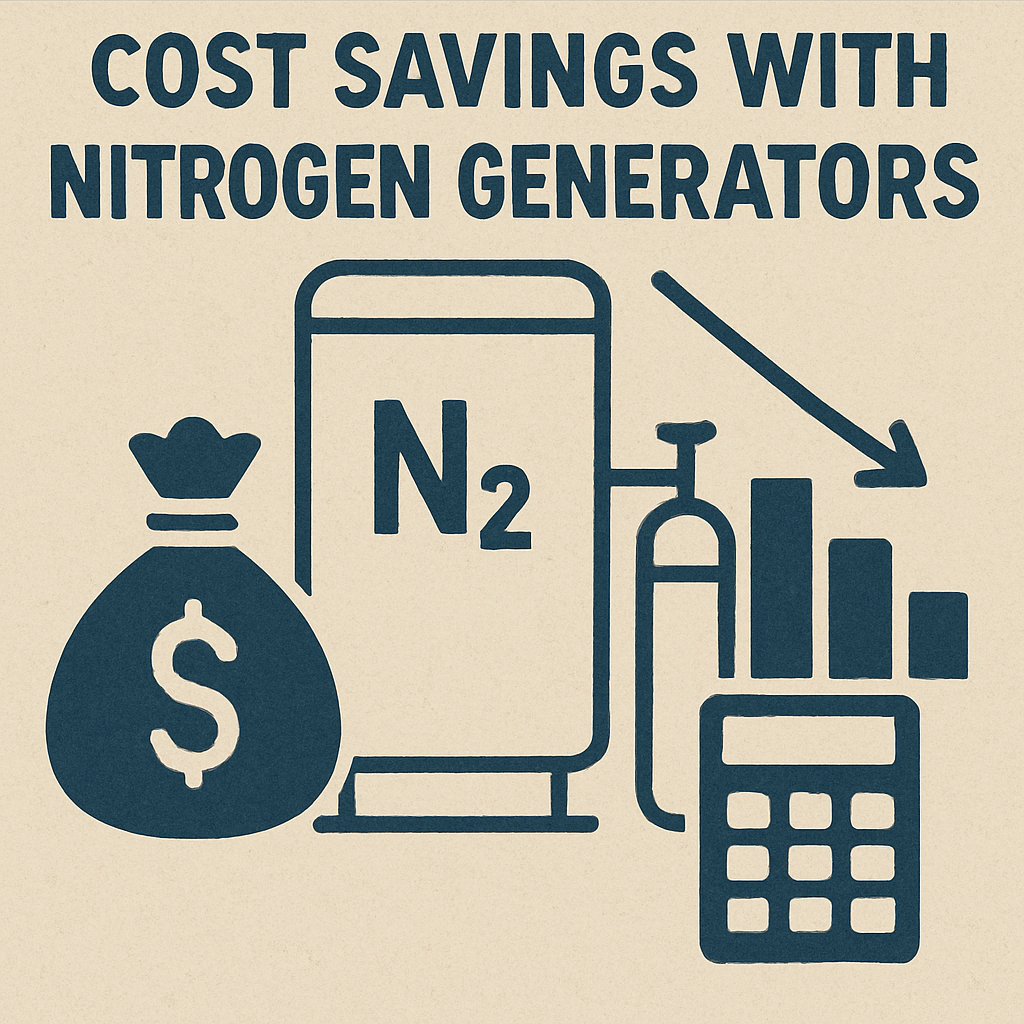
Nitrogen generators eliminate the need for bulk delivery and storage of high-pressure cylinders, reducing transportation and handling costs. This leads to significant cost savings over time.
Continuous Supply
With a nitrogen generator, there’s no risk of running out of nitrogen since it provides a continuous, on-demand supply. This ensures uninterrupted production processes and eliminates downtime associated with waiting for cylinder deliveries.
Improved Safety
Handling high-pressure nitrogen cylinders poses safety risks. Nitrogen generators reduce these risks by producing nitrogen at a lower pressure and eliminating the need for cylinder storage and handling.
Consistent Quality
Nitrogen generators offer consistent nitrogen purity levels, ensuring that the required specifications for pharmaceutical manufacturing are always met. This consistency is crucial for maintaining the quality of the final products.
Environmental Benefits
Producing nitrogen on-site reduces the carbon footprint associated with the transportation of gas cylinders. It also eliminates the need for cylinder disposal, contributing to a more sustainable operation.
Implementing Nitrogen Generators in Pharmaceutical Manufacturing
Assessing Requirements
Before implementing a nitrogen generator, it’s essential to assess the specific nitrogen requirements of your manufacturing process. This includes determining the required purity level, flow rate, and pressure.
Choosing the Right System
Selecting the appropriate nitrogen generator involves considering factors such as production capacity, operational costs, and maintenance requirements. It’s crucial to work with a reputable supplier who can provide tailored solutions based on your needs.
Maintenance and Monitoring
 by Domino Studio (https://unsplash.com/@dominostudio)
Regular maintenance is vital to ensure the optimal performance of nitrogen generators. This includes routine checks, filter replacements, and monitoring of system parameters. Implementing a robust maintenance schedule will help prevent unexpected downtime and extend the lifespan of the equipment.
Integration with Existing Systems
Integrating a nitrogen generator with existing manufacturing processes should be seamless. Ensure that the generator is compatible with your current systems and that staff are adequately trained to operate and maintain the equipment.
Real-World Example: Nitrogen Generators in Action
Consider a pharmaceutical company that switched from cylinder-based nitrogen supply to an on-site nitrogen generator. The transition resulted in a 30% reduction in nitrogen costs, improved operational efficiency, and enhanced safety standards. The continuous supply of nitrogen also allowed for uninterrupted production, leading to increased overall productivity.
Challenges and Considerations
While nitrogen generators offer numerous benefits, there are some challenges to consider.
Initial Investment
The upfront cost of purchasing and installing a nitrogen generator can be significant. However, the long-term savings and operational benefits often outweigh the initial expenditure.
Space Requirements
Nitrogen generators require space for installation, which may be a consideration for facilities with limited available area. Proper planning and layout design can help mitigate this issue.
Conclusion
Nitrogen generators provide a reliable, cost-effective, and environmentally friendly solution for nitrogen supply in pharmaceutical manufacturing. By ensuring a continuous supply of high-purity nitrogen, these systems enhance product quality, safety, and operational efficiency. As the pharmaceutical industry continues to evolve, adopting nitrogen generators represents a smart investment in the future of medicinal manufacturing.
Founded in 2013 and 2014, Shenzhen Yuhan Electronic Technology Co., Ltd. and Suzhou Hongjinli Gas Equipment Co., Ltd. specialize in PSA nitrogen generators, oxygen generators, nitrogen purification systems, and gas equipment solutions. Our expertise spans industries including SMT manufacturing, semiconductor packaging, optoelectronics, and food and pharmaceutical storage.