Nitrogen is an inert gas widely used across industries such as food packaging, electronics manufacturing, and petrochemicals. But how exactly is nitrogen applied in these fields, and where does it come from?
In smaller applications, companies often rely on cylinders of nitrogen gas. While this works for low-volume or low-purity needs, bottled nitrogen comes with major drawbacks:
- High cost over time
- Safety risks during storage and transport
That’s why more and more industries are turning to an on site nitrogen generator. By producing nitrogen directly where it is needed, companies reduce costs, increase safety, and ensure a constant supply. This technology is now widely used in food packaging, chemical plants, oil and gas, and electronics manufacturing.
Why Use a Nitrogen Generator?
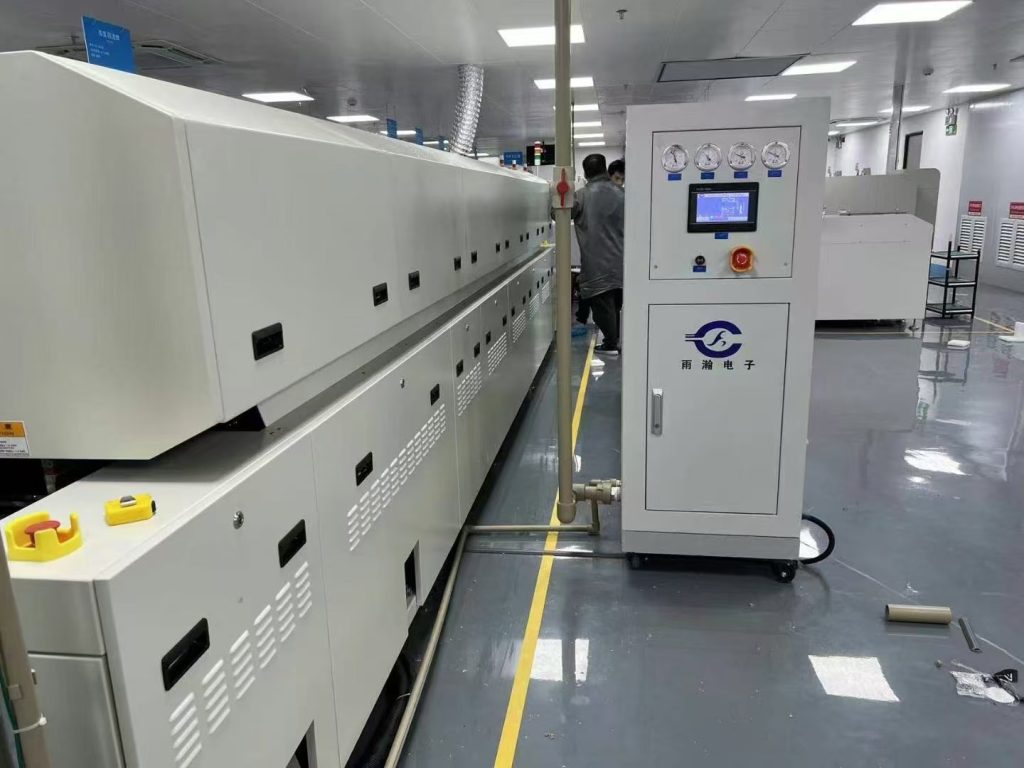
A modern industrial nitrogen generator offers many advantages:
- Lower operating costs compared with gas cylinders or liquid nitrogen delivery
- Instant, continuous nitrogen production
- Flexible nitrogen purity levels from 95% to 99.999%
- Simple operation and low maintenance
This makes n2 generator systems one of the most efficient solutions for businesses with consistent nitrogen demand.
The Nitrogen Generator Working Principle

So, how does a nitrogen generator actually work? Let’s explore the nitrogen generator working principle step by step.
A complete nitrogen system is made up of several components that work together to remove oxygen, water, and impurities from compressed air.
1. Air Compressor
The air compressor provides the compressed air that serves as the raw material. This is the energy source for the entire n2 generator system.
2. Air Storage Tank
The air receiver tank reduces pressure fluctuations and provides stable airflow.
3. Filtration and Drying Units
- Coarse Filter: removes dust, particles, and oil.
- Refrigerated Dryer: lowers dew point by removing water vapor.
- Fine & Ultra-Fine Filters: remove oil mist and particles down to 0.01 micron.
- Activated Carbon Filter: absorbs oil vapors and hydrocarbons.
4. Buffer Tank
Balances air pressure for smooth operation of the generator.
5. PSA Nitrogen Generator
The core of the system is the PSA N2 generator (Pressure Swing Adsorption). Using carbon molecular sieves, oxygen is adsorbed under pressure while nitrogen passes through. Two towers alternate cycles, ensuring continuous nitrogen production.
- Operating Pressure: 0.7 – 1.3 MPa
- Nitrogen Purity: 95% – 99.999%
- Capacity: 1 Nm³/h – 2000 Nm³/h
6. Nitrogen Purification Unit
For applications requiring ultra-high purity nitrogen (≥99.9995%), an additional purification stage removes residual oxygen and moisture.
Applications of Nitrogen Generators
Nitrogen generators are designed for many industries. One of the fastest-growing applications is the nitrogen generator for food packaging. Modified atmosphere packaging (MAP) relies on nitrogen to keep food fresh, extend shelf life, and maintain product quality.
Other industries such as oil and gas, electronics, metallurgy, and chemicals also depend heavily on industrial nitrogen generators for their daily operations.
Choosing the Right Nitrogen Generator
With so many options on the market, selecting the right system often requires expert guidance. Reputable nitrogen generator manufacturers can design a solution tailored to your industry’s demand, required purity, and budget.
Conclusion
A complete on site nitrogen generator system includes an air compressor, air storage tanks, filters, a dryer, buffer tanks, and the PSA N2 generator itself. Working together, these components deliver reliable, high-purity nitrogen directly where it’s needed.
Whether you need a nitrogen generator for food packaging, electronics production, or oil and gas operations, investing in an industrial nitrogen generator is a cost-efficient and safe long-term solution.
If your business requires nitrogen, contact us today. As one of the experienced nitrogen generator manufacturers, we can provide a free evaluation and customized solution to fit your needs.
FAQ for nitrogen generator
Q1: How does a nitrogen generator work?
A1: A nitrogen generator uses compressed air and separates oxygen from nitrogen through filtration and adsorption technologies. The most common method is the PSA N2 generator working principle, which uses carbon molecular sieves to adsorb oxygen and produce high-purity nitrogen.
Q2: What is the difference between PSA nitrogen generators and membrane nitrogen generators
A2: A PSA nitrogen generator can produce higher purity nitrogen (up to 99.999%) and is ideal for industries like food packaging, electronics, and chemicals. A membrane nitrogen generator is more compact and energy-efficient but usually limited to lower purity applications (95%–99%).
Q3: Why choose an on site nitrogen generator instead of bottled nitrogen?
A3: An on site nitrogen generator system reduces long-term costs, eliminates cylinder logistics, and provides a continuous nitrogen supply. It is safer, more reliable, and more cost-effective for businesses with high nitrogen demand.
Q4: What industries use industrial nitrogen generators?
A4: Many industries rely on industrial nitrogen generators, including food packaging, electronics manufacturing, oil and gas, metallurgy, and petrochemicals. Each application may require different purity levels, from 95% to 99.999%.
Q5: How do I choose the right nitrogen generator manufacturer?
A5: Look for experienced nitrogen generator manufacturers who can design a customized system based on your nitrogen purity requirements, flow rate, and budget. A professional supplier can also provide after-sales support and maintenance.