# How Nitrogen Enhances Food Shelf Life
When it comes to keeping food fresh and extending its shelf life, nitrogen plays a significant role. The use of nitrogen in food packaging is a game-changer for both manufacturers and consumers, ensuring that products stay fresh for as long as possible. But how exactly does nitrogen work to enhance food shelf life?
In this article, we’ll delve into the science behind nitrogen food packaging, explore the benefits it offers, and discuss how nitrogen generators for food packaging are revolutionizing the industry.
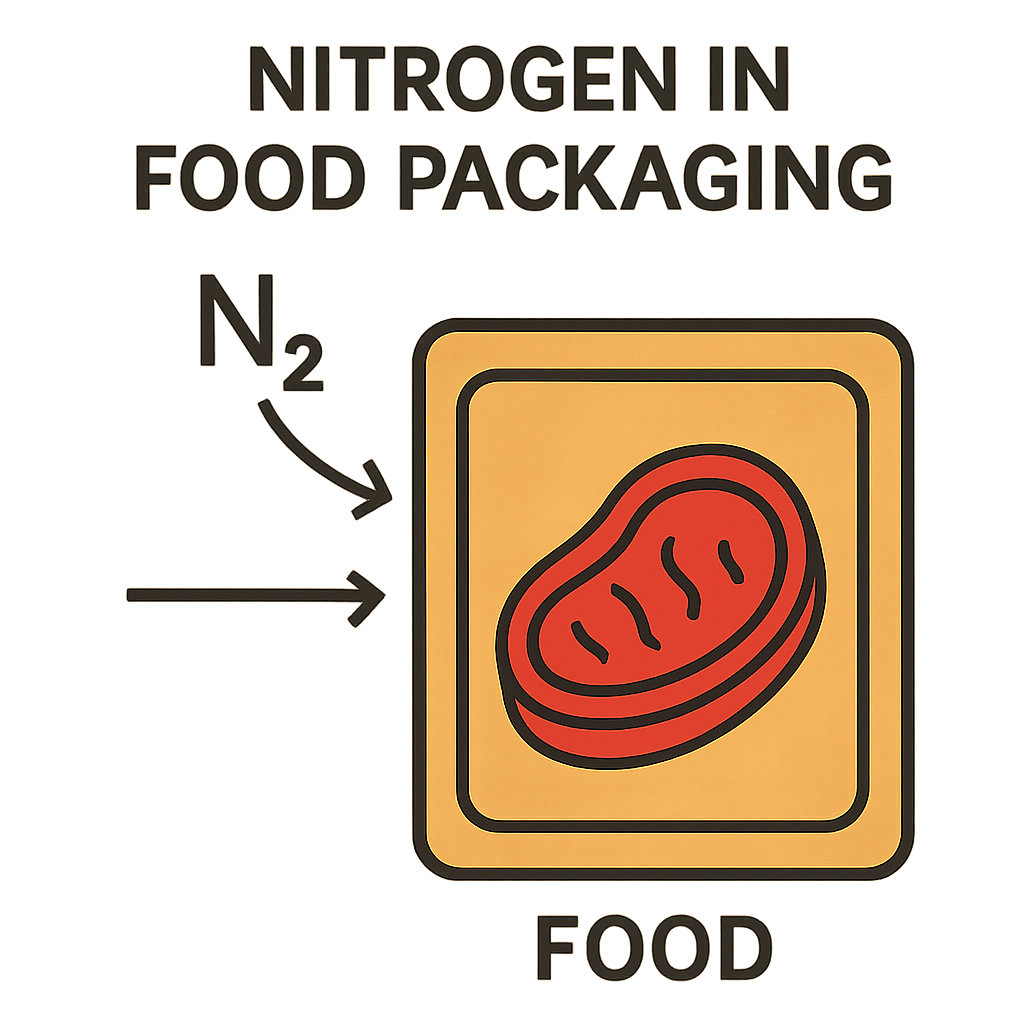
Nitrogen is an inert gas that makes up about 78% of the Earth’s atmosphere. Its inert nature means it doesn’t react with other substances easily, which is a key reason why it’s so beneficial in food packaging. When used to package food, nitrogen replaces the oxygen inside the package. This simple swap can significantly extend the shelf life of many food products.
Why Replace Oxygen?
Oxygen, while essential for life, is not so friendly to food. It contributes to the oxidation process, which can lead to spoilage, rancidity, and the growth of aerobic bacteria and molds. By removing oxygen and replacing it with nitrogen, food manufacturers can slow down these processes, keeping food fresher for longer.
Benefits of Using Nitrogen in Food Packaging
- Extended Shelf Life: By reducing or eliminating oxygen, nitrogen helps in slowing down the oxidation process, which is responsible for spoilage.
- Preservation of Quality: Nitrogen maintains the color, flavor, and texture of food products, ensuring that they remain appealing to consumers.
- Prevention of Moisture and Bacterial Growth: Without oxygen, moisture and aerobic bacteria find it harder to thrive, reducing the risk of spoilage.
- Cost-Effectiveness: Nitrogen is abundant and relatively inexpensive to produce, making it a cost-effective solution for food preservation.
How Nitrogen Generators for Food Packaging Work
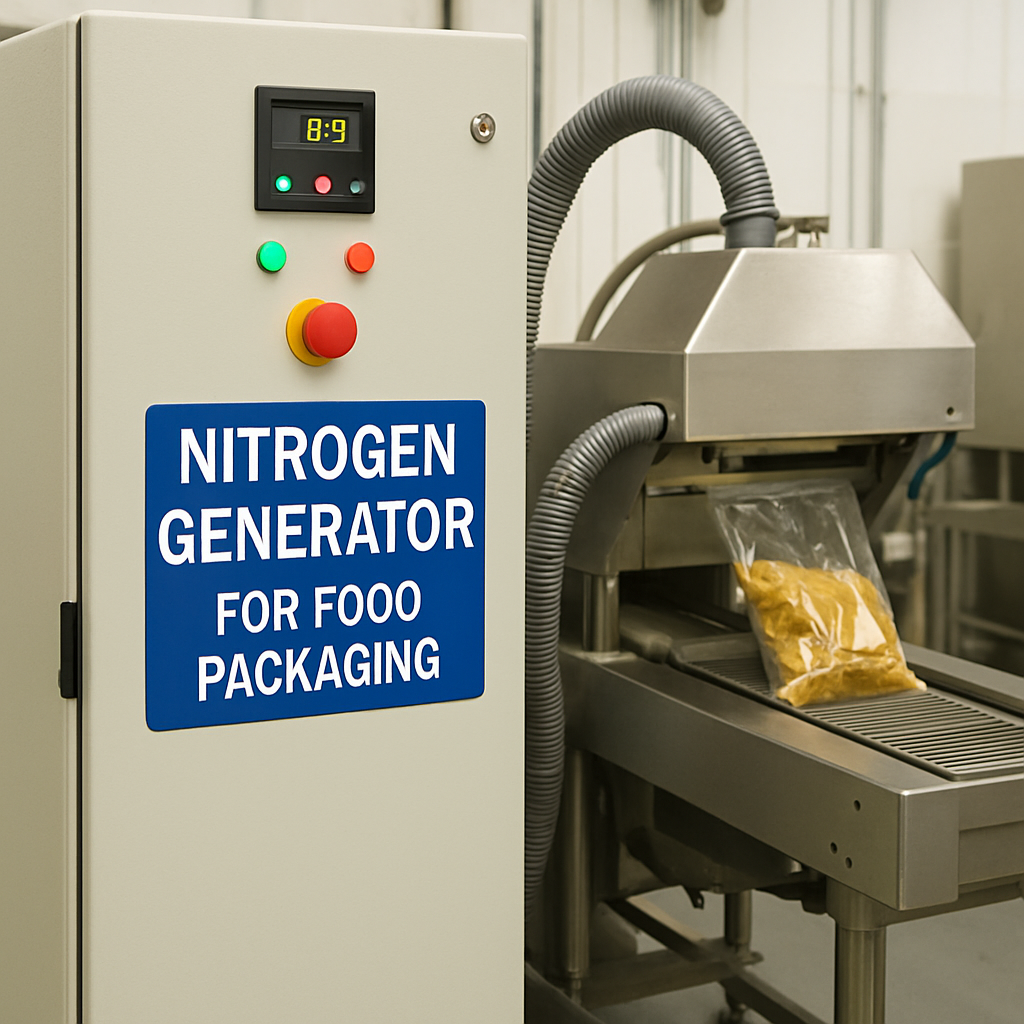
Nitrogen generators are devices used to produce nitrogen on-site for food packaging. Instead of relying on bottled nitrogen, which can be costly and cumbersome, many manufacturers are turning to nitrogen generators for a more sustainable and efficient solution.
The Process
Nitrogen generators typically use one of two methods to produce nitrogen: Pressure Swing Adsorption (PSA) or Membrane Technology.
- Pressure Swing Adsorption (PSA): This method involves using a carbon molecular sieve to separate nitrogen from the air. The generator compresses air, and the sieve adsorbs oxygen, leaving behind high-purity nitrogen.
- Membrane Technology: This method uses semi-permeable membranes to separate nitrogen from other gases in the air. The membranes allow nitrogen to pass through while blocking other gases.
Advantages of Using Nitrogen Generators
- On-Demand Production: Generate nitrogen as needed, reducing waste and ensuring a constant supply.
- Cost Savings: Eliminate the need for purchasing and transporting bottled nitrogen.
- Environmental Benefits: Reduce carbon footprint by producing nitrogen on-site, lowering transportation emissions.
- Enhanced Control: Manufacturers have greater control over the purity and flow rate of nitrogen.
Applications of Nitrogen in the Food Industry
 by Wright Brand Bacon (https://unsplash.com/@wrightbrand)
Nitrogen is used in a variety of food packaging applications. Some common examples include:
Snack Foods
Chips, nuts, and other snack foods benefit significantly from nitrogen packaging. It keeps them crispy and fresh by preventing the oils in these products from oxidizing and becoming rancid.
Dairy Products
Cheese and other dairy products are often packaged with nitrogen to maintain their texture and flavor while preventing mold growth.
Meat Products
Nitrogen helps preserve the color and freshness of meats by slowing down the oxidation process, which can lead to spoilage.
Coffee and Tea
These products are particularly sensitive to oxygen, which can cause them to lose flavor and aroma. Nitrogen packaging helps maintain their rich flavors and freshness.
Real-World Success Stories
Many companies have successfully implemented nitrogen packaging to extend the shelf life of their products. For instance, a leading snack food manufacturer saw a 20% increase in product shelf life by switching to nitrogen packaging, reducing waste and improving customer satisfaction.
A dairy producer reported that using nitrogen generators allowed them to cut costs and improve the quality of their cheese, leading to increased sales and positive feedback from consumers.
Conclusion: The Future of Food Packaging
As the demand for fresh, high-quality food products continues to grow, nitrogen food packaging will play an increasingly vital role in the food industry. By using nitrogen generators for food packaging, manufacturers can produce nitrogen efficiently and sustainably, enhancing the shelf life and quality of their products.
The advantages of nitrogen in food packaging are clear: extended shelf life, preserved quality, and cost savings. As more companies adopt this technology, consumers can expect to enjoy fresher, longer-lasting products.
In the end, nitrogen is not just a gas—it’s a powerful tool that enhances food preservation and benefits both the food industry and consumers alike.