In the world of food production, maintaining the freshness and quality of products is paramount. One way to achieve this is by using a nitrogen generator for food production. These systems are crucial in preserving the shelf life and quality of food products by minimizing oxidation and spoilage. In this article, we’ll explore how nitrogen generators work, their benefits, and why they’re an essential component in food production factories.
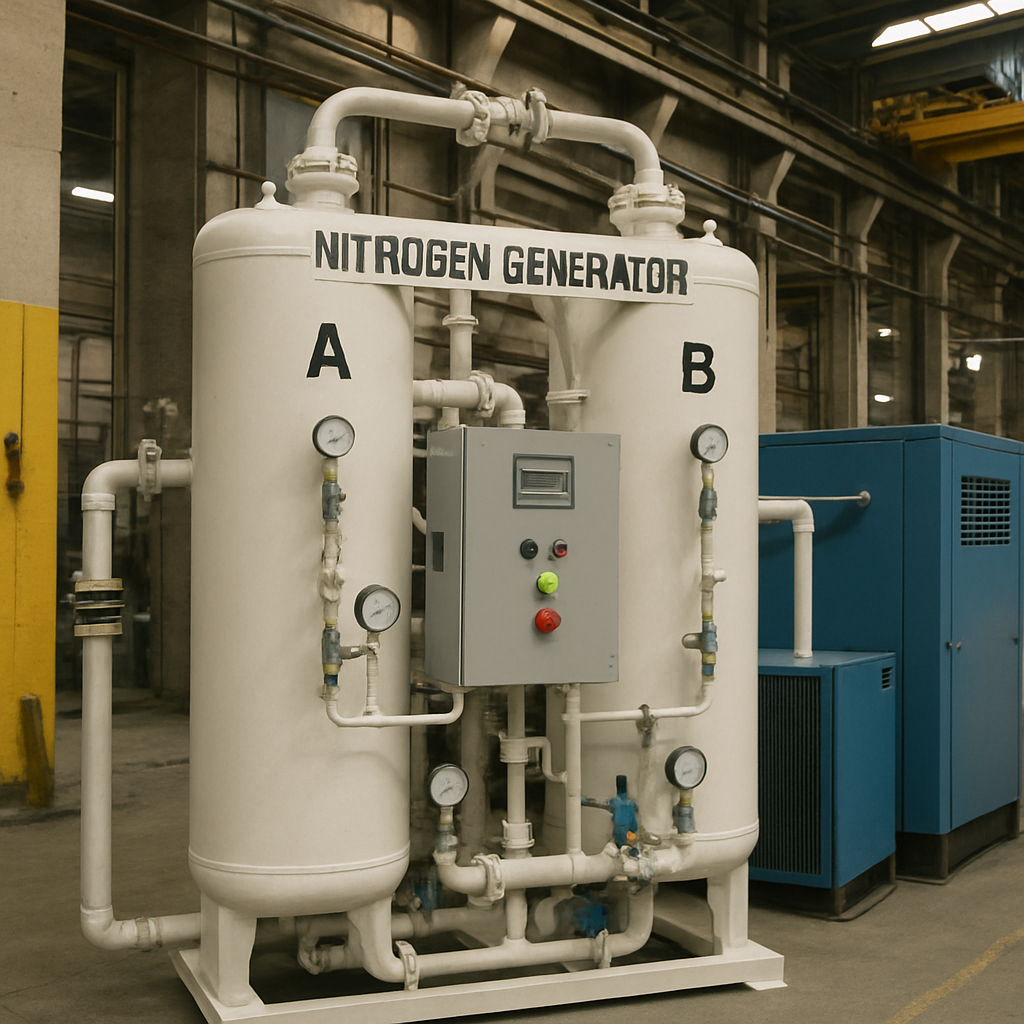
A nitrogen generator is a device that produces nitrogen gas from atmospheric air. The air we breathe contains about 78% nitrogen, and these generators separate this nitrogen from other components like oxygen and carbon dioxide. By doing so, they provide a continuous supply of nitrogen gas that can be used in various industrial applications, including food production.
There are primarily two types of nitrogen generators used in the industry:
- Pressure Swing Adsorption (PSA): This type uses adsorbent materials to trap oxygen and other gases, allowing only nitrogen to pass through.
- Membrane Nitrogen Generators: These use semi-permeable membranes to filter out oxygen and other gases, resulting in purified nitrogen gas.
Benefits of Using Nitrogen Generators in Food Production
Extended Shelf Life
One of the primary benefits of using nitrogen in food production is the extension of shelf life. Nitrogen is an inert gas, meaning it does not react with food products. By replacing the oxygen in food packaging with nitrogen, the growth of aerobic bacteria and other microorganisms is significantly reduced. This process, known as modified atmosphere packaging (MAP), helps keep food fresh for longer periods.
Improved Product Quality
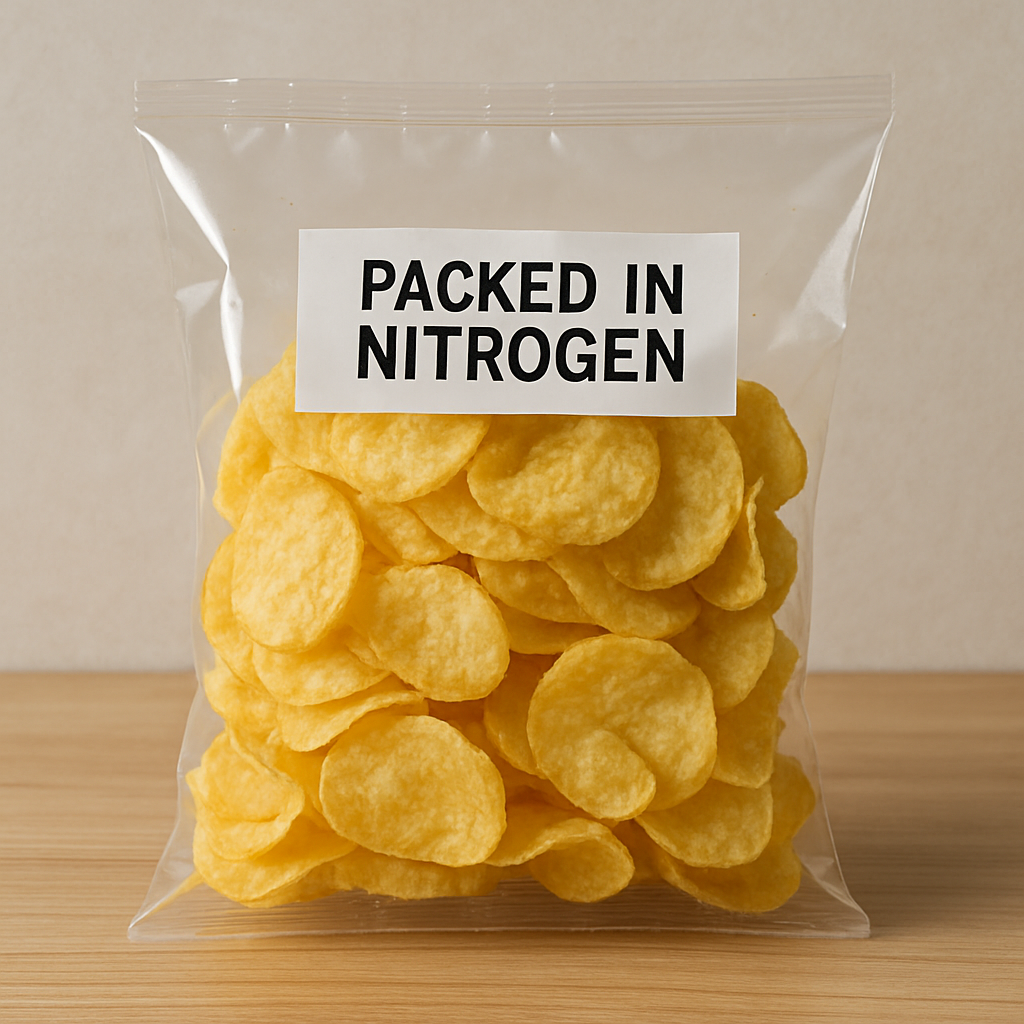
The presence of oxygen can lead to oxidation, which affects the taste, color, and texture of food. By using nitrogen gas to purge oxygen from the packaging, manufacturers can preserve the original quality of the food. This is particularly important for products like snacks, coffee, and nuts, where maintaining freshness is crucial for consumer satisfaction.
Cost-Effective Solution
Investing in a nitrogen generator can be more cost-effective in the long run compared to purchasing nitrogen gas cylinders. With a generator, there is a continuous and on-demand supply of nitrogen, eliminating the need for regular cylinder replacement and reducing logistics costs.
Environmental Impact
Using a nitrogen generator also has environmental benefits. It reduces the carbon footprint associated with transporting and storing gas cylinders. Additionally, it minimizes the risk of gas leaks, which can be harmful to the environment.
Applications of Nitrogen Generators in Food Production
Food Packaging
In the food packaging industry, nitrogen generators are used to displace oxygen in the packaging. This is particularly common in the packaging of snacks, cereal, and coffee, where maintaining the crispness and flavor is essential.
Beverage Production
 by RephiLe water (https://unsplash.com/@revolution_in_filtration)
In beverage production, nitrogen is used to prevent oxidation and spoilage. It is particularly useful in the production of wine, beer, and carbonated drinks, where it helps maintain the flavor and quality of the beverage.
Food Storage
Nitrogen generators are also used in food storage facilities to create a controlled atmosphere that inhibits the growth of bacteria and molds. This is particularly useful for perishable items like fruits and vegetables.
Choosing the Right Nitrogen Generation System
When selecting a nitrogen generator for a food production factory, several factors need to be considered:
- Capacity: It’s important to choose a system that can meet the nitrogen demand of your production facility. Consider the volume of nitrogen required for your specific applications.
- Purity Levels: Different applications may require different levels of nitrogen purity. Ensure that the generator can produce nitrogen at the purity level needed for your processes.
- Space and Installation: Consider the space available for the generator and the ease of installation. Some systems may require more space and have specific installation requirements.
- Maintenance and Support: Look for a system that offers easy maintenance and comes with reliable customer support. This ensures minimal downtime and consistent performance.
Implementing Nitrogen Generators in Your Factory
To successfully integrate a nitrogen generator into your food production process, consider the following steps:
- Assessment: Begin with a thorough assessment of your nitrogen requirements. This includes understanding the specific applications and the volume of nitrogen needed.
- Consultation: Work with a reputable supplier who can provide guidance on the best nitrogen generation system for your needs. They can offer insights into system capabilities and help tailor a solution that fits your factory’s requirements.
- Installation: Ensure that the installation process is carried out by professionals to guarantee optimal performance. This includes proper positioning, connection, and testing of the system.
- Training: Provide training for your staff on the operation and maintenance of the nitrogen generator. This ensures that they are equipped to manage the system effectively.
- Monitoring: Regular monitoring and maintenance of the nitrogen generator are crucial for maintaining its efficiency and longevity. Implement a schedule for routine checks and servicing.
Conclusion
Nitrogen generators play a vital role in the food production industry by ensuring the freshness, quality, and safety of food products. By investing in a nitrogen generation system, food production factories can benefit from extended shelf life, improved product quality, and cost savings. As the demand for high-quality food products continues to grow, nitrogen generators are becoming an indispensable tool for food manufacturers looking to stay competitive in the market.