# How Nitrogen Enhances Food Preservation Techniques
In today’s fast-paced world, preserving food efficiently and effectively is crucial. The food industry constantly seeks innovative methods to extend shelf life, maintain quality, and reduce waste. One such innovation is the use of nitrogen. But how does nitrogen contribute to food preservation, and why is it becoming an essential tool in the food industry?
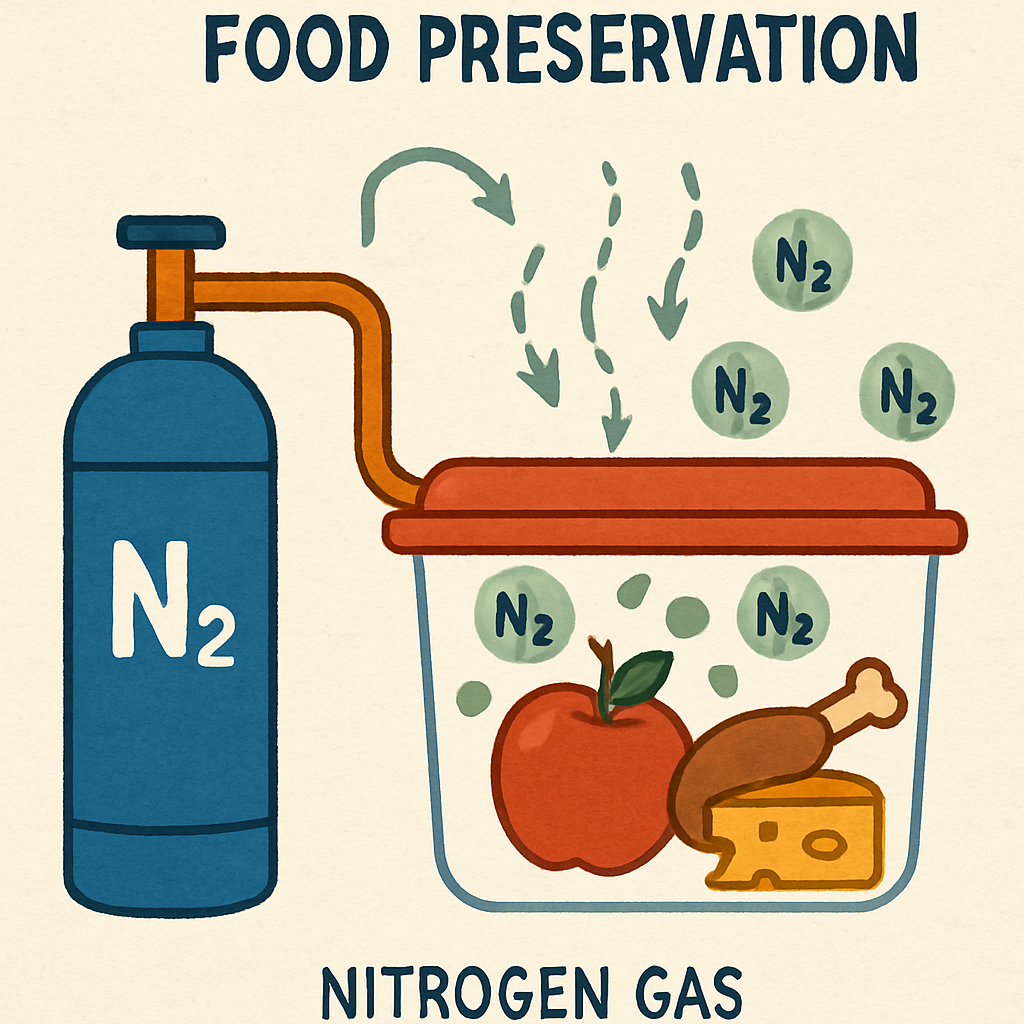
Nitrogen is an inert, non-reactive gas that makes up about 78% of the Earth’s atmosphere. Its unique properties make it an excellent choice for food preservation. By displacing oxygen, which is responsible for oxidation and spoilage, nitrogen helps maintain the freshness of food products.
The Role of Nitrogen Generators
The use of nitrogen generators for the food industry has revolutionized the way food is preserved. These systems produce high-purity nitrogen on-site, ensuring a constant supply without the need for storage or transportation of nitrogen gas.
How Nitrogen Generation Systems Work
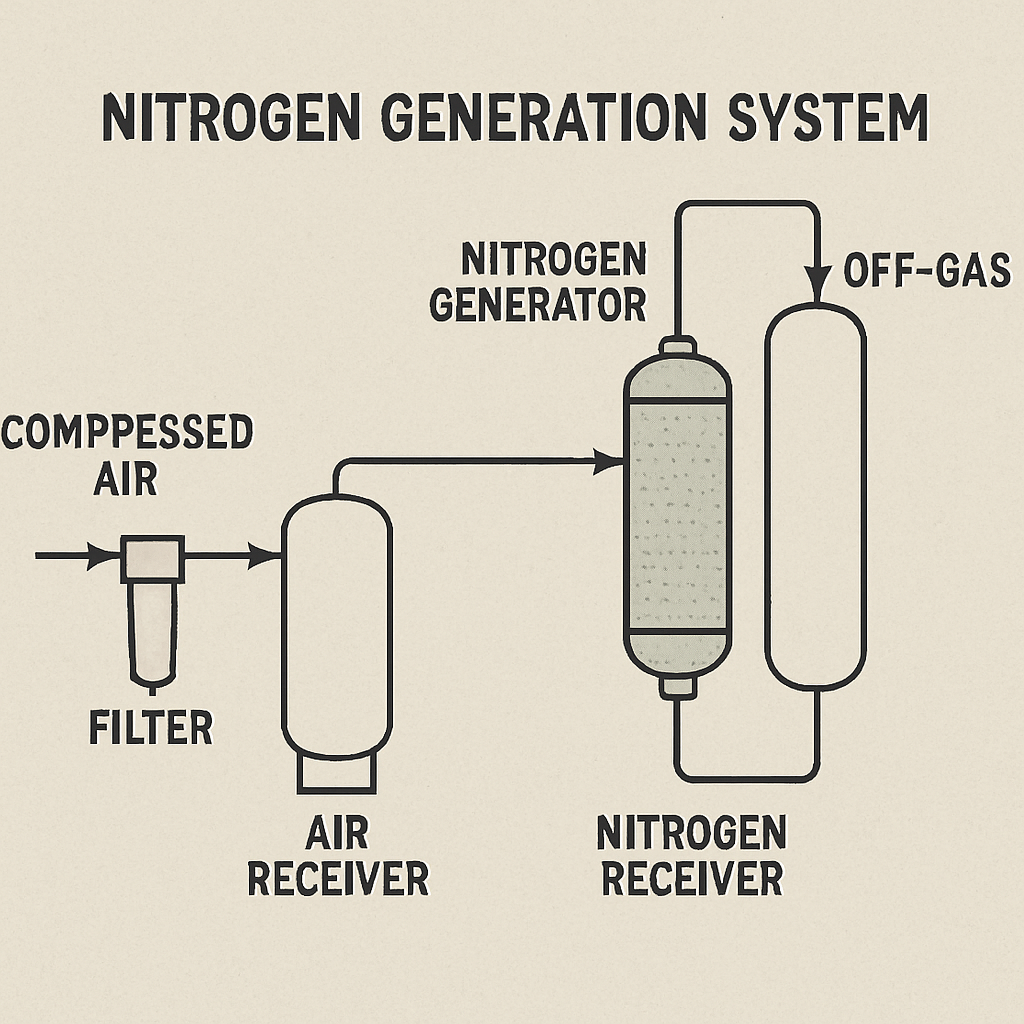
Nitrogen generation systems function by extracting nitrogen from the air. They use either membrane technology or pressure swing adsorption (PSA) to separate nitrogen from other gases. This process results in high-purity nitrogen, which is then used in various food preservation applications.
Applications of Nitrogen in the Food Industry
Nitrogen has multiple applications in the food industry, each aimed at extending shelf life and maintaining product quality.
Modified Atmosphere Packaging (MAP)
One of the primary uses of nitrogen in food preservation is in Modified Atmosphere Packaging (MAP). This technique involves replacing the oxygen in food packaging with nitrogen to slow down oxidation and spoilage processes. This method is commonly used for packaging snacks, nuts, coffee, and other perishable goods.
Nitrogen Flushing
Nitrogen flushing is another technique that involves flushing out oxygen from food packaging and replacing it with nitrogen. This process is particularly effective for products like chips and cereals, where maintaining crispness is essential.
Nitrogen in Beverage Preservation
Nitrogen is also used in the beverage industry, particularly in preserving the quality of wines and beers. By preventing oxidation, nitrogen ensures that these beverages retain their intended flavor profiles.
 by Henk Hommes (https://unsplash.com/@zebosenior)
Benefits of Using Nitrogen for Food Preservation
The benefits of using nitrogen in food preservation are numerous, making it an attractive option for food producers.
Extended Shelf Life
By reducing the oxygen levels in packaging, nitrogen significantly slows down spoilage, extending the shelf life of food products. This not only helps in reducing waste but also ensures that consumers receive fresh products.
Enhanced Product Quality
Nitrogen helps in maintaining the original texture, flavor, and color of food products. This is particularly important for delicate items like pastries, fruits, and vegetables, where quality degradation can occur quickly.
Cost-Effectiveness
Using nitrogen generation systems is a cost-effective solution for food preservation. By generating nitrogen on-site, companies can reduce costs associated with purchasing and transporting nitrogen gas.
Environmentally Friendly
Nitrogen is a natural component of the atmosphere, making its use environmentally friendly. Additionally, nitrogen generation systems contribute to reducing carbon footprints by eliminating the need for gas transportation.
Implementing Nitrogen Generation Systems
For businesses looking to implement nitrogen generation systems, understanding the needs and capacity requirements is crucial. Here’s what to consider:
Assessing Your Needs
Determine the volume of nitrogen required for your operations. This will depend on the scale of your production and the types of products you are preserving.
Choosing the Right System
Select a nitrogen generation system that suits your production needs. Consider factors such as purity levels, flow rates, and technology type (membrane or PSA).
Maintenance and Upkeep
Regular maintenance of nitrogen generation systems is essential to ensure their efficiency and longevity. Establish a maintenance schedule that includes routine checks and servicing.
Conclusion
The integration of nitrogen in food preservation techniques is transforming the food industry. With its ability to extend shelf life, maintain product quality, and offer cost-effective solutions, nitrogen is becoming an invaluable asset in food preservation strategies. By implementing nitrogen generation systems, food producers can ensure they meet consumer demands for fresh, high-quality products while minimizing environmental impact.
As the food industry continues to evolve, the role of nitrogen in preserving food will undoubtedly expand, paving the way for more innovative and sustainable practices in the future.