N2 membrane generators are revolutionizing how industries produce nitrogen. They offer a modern solution for efficient nitrogen generation. These systems are compact, cost-effective, and require minimal maintenance.
Membrane technology is at the heart of these generators. It uses selective permeation to separate nitrogen from compressed air. This process is both energy-efficient and environmentally friendly.
Industries like food packaging, electronics, and chemical processing benefit greatly. N2 generators provide on-demand nitrogen, reducing the need for storage and transportation. This flexibility is crucial for businesses seeking reliable nitrogen supply.
The technology is adaptable and scalable. It can be customized to meet specific nitrogen flow and purity needs. This adaptability makes N2 membrane generators a popular choice across various industrial settings.
Catalogue
- What Is an N2 Membrane Generator?
- How N2 Membrane Generators Work
- Key Benefits of N2 Membrane Generators
- Typical Applications Across Industries
- Comparing N2 Membrane Generators to Other Nitrogen Generation Methods
- Factors Affecting Efficiency and Performance
- Choosing the Right N2 Generator for Your Needs
- FAQ
- Conclusion: The Future of Nitrogen Generation
What Is an N2 Membrane Generator?
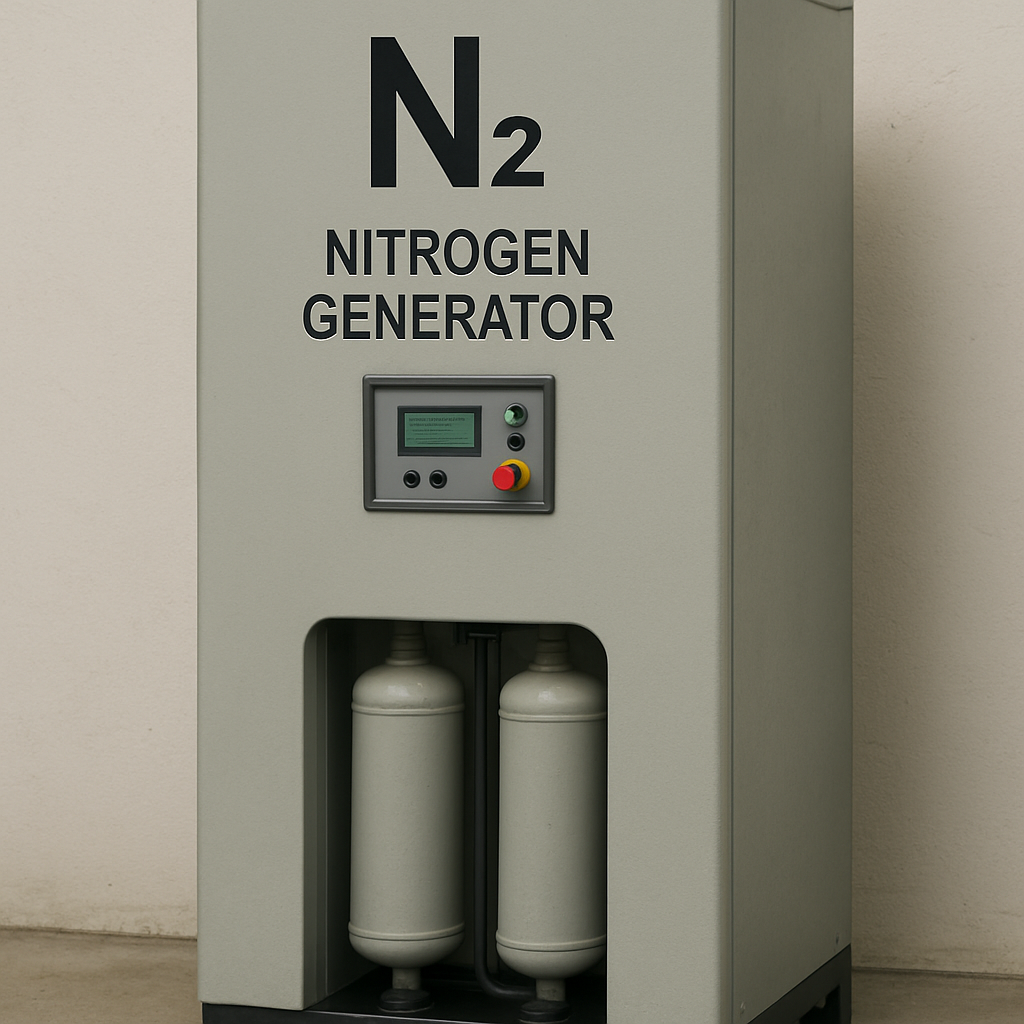
An N2 membrane generator is a device that produces nitrogen by separating it from compressed air. It operates using advanced membrane technology designed for this specific purpose. The generator consists of membranes made of hollow fibers.
These membranes allow the separation of gases based on their permeation rates. Oxygen and other gases permeate through the fibers, leaving nitrogen behind. As a result, the system produces high-purity nitrogen efficiently.
Key features of an N2 membrane generator include:
- Compact design suitable for various settings
- Minimal maintenance requirements
- Customizable nitrogen purity and flow rates
These generators are valued for their efficiency and adaptability. Their ability to produce nitrogen on-demand makes them essential for industries needing reliable gas solutions. They offer practical and economical nitrogen generation options.
How N2 Membrane Generators Work
N2 membrane generators operate through a process called selective permeation. This method leverages the natural properties of gases as they pass through specialized membranes. The generator uses compressed air as its primary input.
The key to this process is the membrane made of numerous hollow fibers. These fibers selectively separate gases based on their size and solubility. Oxygen, being smaller, permeates faster through the membrane walls, leaving nitrogen behind.
An essential characteristic of N2 membrane generators is their energy efficiency. Unlike other systems, they do not require heating or extensive power consumption. This makes them a cost-effective solution for continuous nitrogen production.
Another benefit of this technology is its operational simplicity. The system does not need extensive monitoring, and it can run autonomously. Once set up, it consistently provides high-purity nitrogen.
A typical N2 membrane system involves the following steps:
- Compressed air is fed into the system.
- Air moves through the membrane modules.
- Oxygen and other gases permeate the membrane, exiting as waste.
- Nitrogen continues through the system, reaching the desired purity.
- Purified nitrogen is then delivered for use.
This straightforward process ensures reliable nitrogen supply with minimal human intervention. Moreover, these generators can easily adjust to changing industrial needs.
Key Benefits of N2 Membrane Generators
N2 membrane generators offer several notable advantages to industries. They are renowned for their cost-effectiveness compared to traditional nitrogen supply methods. This cost-efficiency comes from their low energy requirements and reduced operational costs.
These generators also excel in compactness and minimal maintenance needs. They fit well into various industrial spaces without extensive infrastructural changes. Additionally, they require less frequent maintenance checks, leading to reduced downtime.
Moreover, membrane generators are environmentally friendly. They decrease the carbon footprint associated with transporting bottled nitrogen. Producing nitrogen on-site eliminates the need for transportation logistics.
The adaptability of these systems makes them a versatile choice across different applications. They can produce nitrogen at various purity levels and flow rates, catering to specific industry needs. This flexibility makes them a popular option in dynamic industrial environments.
Here are the key benefits summarized:
- Cost-effective operations
- Compact and low maintenance
- Environmentally friendly
- High adaptability for different requirements
Typical Applications Across Industries
N2 membrane generators are vital in many industries due to their efficiency and versatility. They provide high-purity nitrogen, which is crucial in processes where oxygen can cause damage. These generators ensure a continuous nitrogen supply tailored to specific industry demands.
The food packaging industry benefits significantly from N2 generators. Nitrogen extends the shelf life of packaged foods by preventing oxidation. This helps maintain the quality and freshness of food products longer.
In electronics manufacturing, nitrogen prevents oxidation during production. It safeguards sensitive components, enhancing product reliability. Additionally, the chemical processing industry uses nitrogen to create inert atmospheres, improving safety and quality in processes.
Common applications of N2 membrane generators include:
- Food packaging
- Electronics manufacturing
- Chemical processing
Comparing N2 Membrane Generators to Other Nitrogen Generation Methods
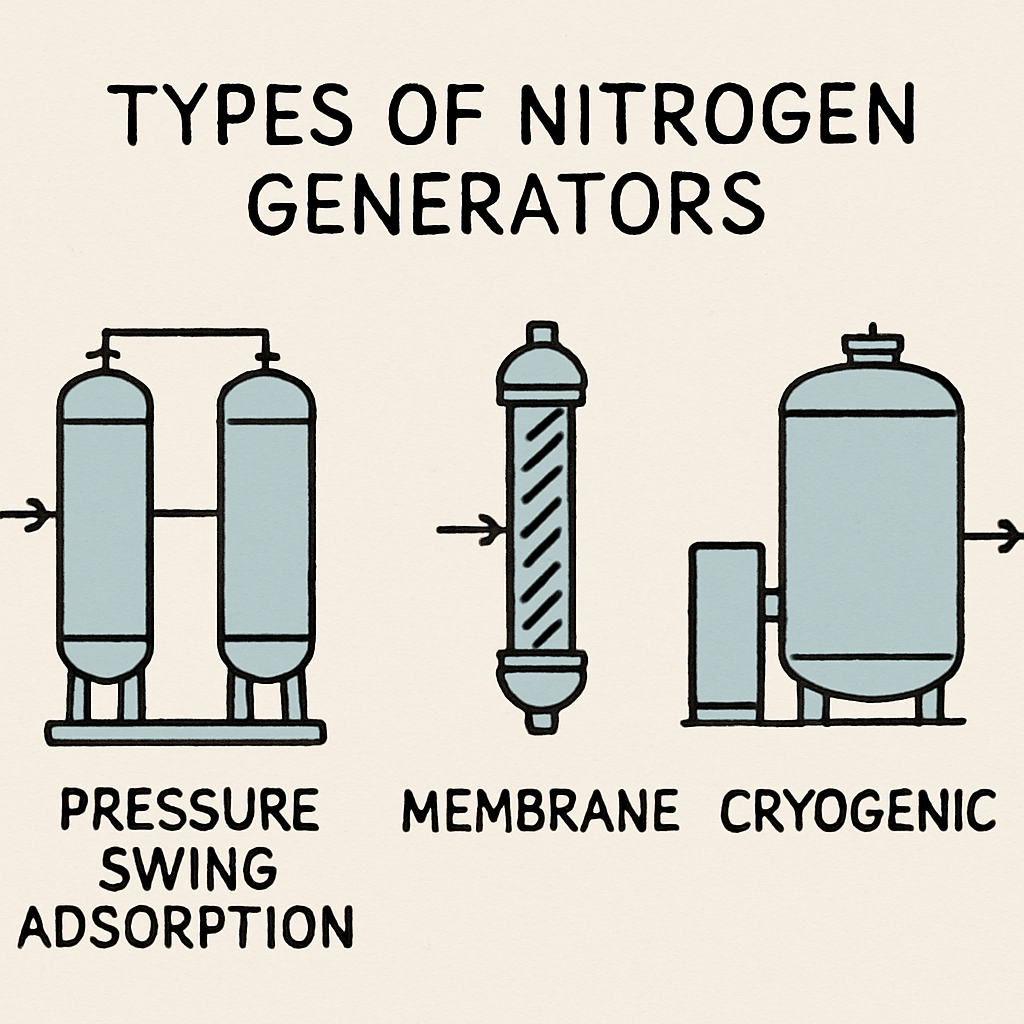
N2 membrane generators have several advantages over other nitrogen generation methods. They are compact and easy to maintain, making them a popular choice in various settings. Unlike cryogenic systems, membrane technology requires less equipment and infrastructure.
Membrane systems are more energy-efficient compared to pressure swing adsorption (PSA) systems. While PSA units can produce higher purity nitrogen, they consume more energy. Membrane generators provide a balance of efficiency and adequate purity for most industrial needs.
When it comes to cost, membrane generators offer long-term savings. The initial investment is often lower than cryogenic and PSA systems. Moreover, their lower operational costs make them economically appealing. For businesses seeking sustainable and reliable nitrogen generation, membrane technology is a viable choice.
Key comparisons include:
- Space efficiency
- Energy consumption
- Cost-effectiveness
Factors Affecting Efficiency and Performance
Several factors can impact the efficiency and performance of an N2 membrane generator. Temperature and pressure are two critical elements. Higher temperatures can enhance permeation rates but might affect membrane integrity over time.
Membrane material is equally crucial in determining the system’s performance. Advanced materials can provide better selectivity, resulting in higher purity nitrogen. Regular maintenance is necessary to ensure optimal performance and longevity.
Other factors include environmental conditions and gas composition. These external conditions can alter system effectiveness. For businesses, recognizing these elements helps in optimizing operations. To summarize, consider:
- Temperature levels
- System pressure
- Membrane material quality
- Maintenance routines
- External environmental impacts
Choosing the Right N2 Generator for Your Needs
Selecting the appropriate N2 generator requires understanding your specific requirements. Consider factors such as desired nitrogen purity, flow rates, and available space.
Additionally, evaluate the energy efficiency and initial investment required. Investing in a suitable generator can yield long-term savings and greater efficiency in operations.
Some key considerations include:
- Required nitrogen purity levels
- Desired flow rate
- Space and locati0n constraints
- Initial and operational costs
- Energy efficiency of the system
Choosing wisely ensures that your nitrogen generation needs align with your operational goals and constraints.
FAQ
What industries use N₂ membrane generators?
✔ Food & beverage packaging
✔ Marine & offshore
✔ Injection molding & plastics
✔ Fire prevention (inerting)
✔ Oil & gas
✔ Electronics & soldering
✔ Laboratories
✔ Modified atmosphere storage
What are the advantages of membrane nitrogen generation?
Fast startup time (usually <1 minute)
Low maintenance
Compact and lightweight
No moving parts
Energy efficient
Stable output
What air quality is required for a membrane generator?
Dry, clean compressed air is essential.
A typical setup includes:
- Pre-filter (oil/water removal)
- Coalescing filter
- Dryer (refrigerated or desiccant)
- Particle filter
Clean air ensures long membrane lifespan.
How long do membrane modules last?
Most membrane tubes last 8–15 years, depending on air quality, operating temperature, and pressure.
Can a membrane generator run 24/7?
Yes. Membrane systems are designed for continuous, unattended operation with minimal maintenance.
How often does it need maintenance?
Only periodic filter changes, usually every 3–12 months depending on usage and air quality. The membrane itself requires no internal service.
Conclusion: The Future of Nitrogen Generation
The future of nitrogen generation is promising with advancements in membrane technology. N2 membrane generators stand out for their efficiency and versatility. As technology evolves, these systems will likely become even more integral to diverse industries worldwide. contact us to customized your n2 membrane generator!