If production stopped tomorrow, global food networks would collapse and smartphones couldn’t be built. Why go to all this trouble for an invisible gas? According to atmospheric data, this giant constitutes 78% of the air we breathe.
Manufacturing nitrogen begins by treating the sky as a mixed soup. Because atmospheric air composition is merely a physical mixture, factories can mechanically strain the ingredients. This yields a chemically inert, non-reacting gas perfect for preserving delicate items like potato chips.
Fueling the massive industrial applications of nitrogen gas requires three distinct techniques. Engineers separate this vital resource by super-cooling the air until it liquefies, pushing it through microscopic fences, or trapping unwanted oxygen in specialized sponges.
The Scrubbing Phase: Why Manufacturing Nitrogen Starts with Industrial Housekeeping
Before we can pull the sky apart, we have to clean it. The first step in nitrogen production involves squeezing massive amounts of raw air inside an industrial compressor. Just like a bicycle pump gets warm when you use it, this intense squeezing generates extreme compression heat.
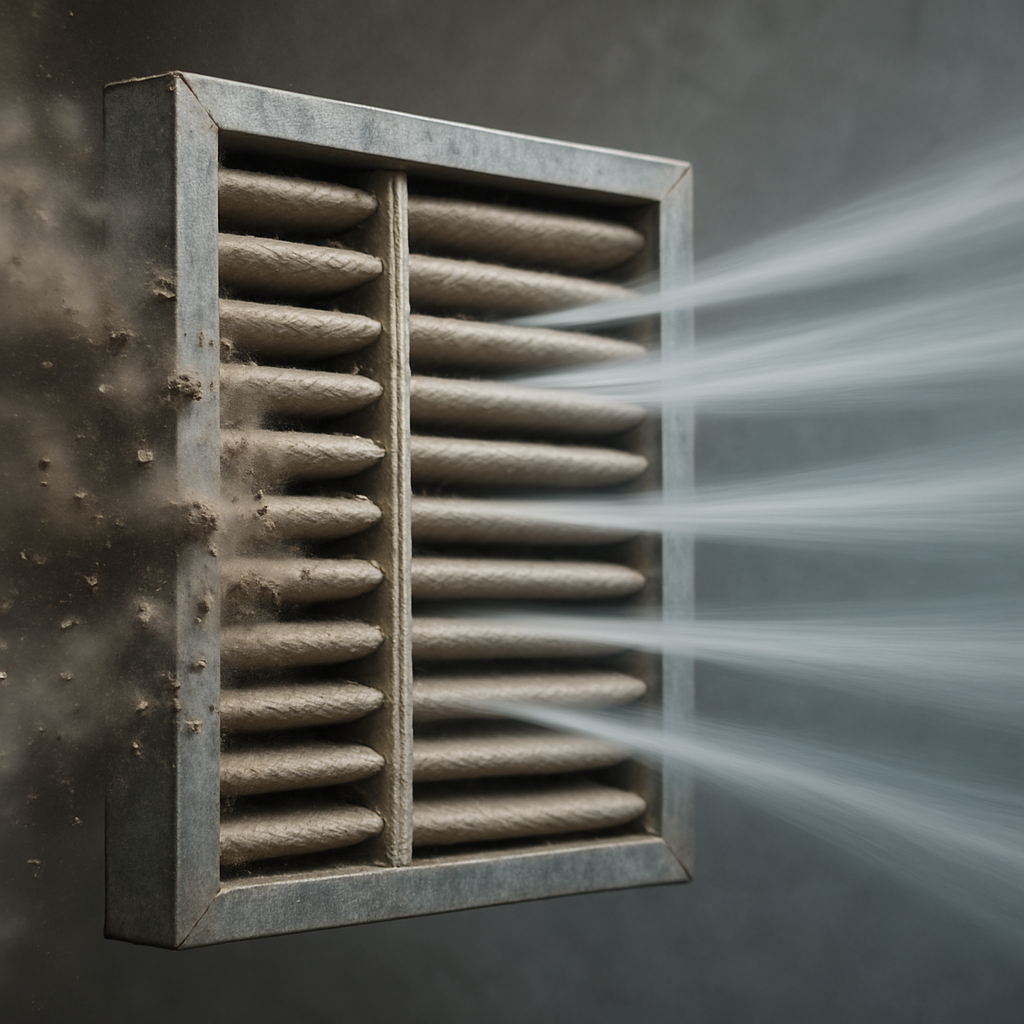
Giant coolers quickly chill this pressurized wind back down before pushing it through heavy-duty filters to trap dust and smog. Successful nitrogen gas production relies on this meticulous industrial housekeeping.
Even seemingly clear air holds invisible water vapor and carbon dioxide. To satisfy high purity nitrogen manufacturing standards, the air enters a desiccant dryer—a massive version of the moisture-absorbing packets found in new shoeboxes—to strip away these hidden liquid and gas contaminants.
Without this crucial pre-treatment, residual moisture would instantly turn into solid ice during the next phase, shattering delicate factory pipes. Now that our raw material is perfectly clean and bone-dry, it is finally ready for the ultimate temperature drop.
The -320°F Deep Freeze: How Cryogenic Distillation Liquefies the Sky
Stepping inside the facility, you face equipment the size of a skyscraper designed to push air to the absolute edge of cold. By using extreme pressure and sudden expansion, engineers plunge our clean, dry air down to -320°F. At this staggering temperature, the invisible gas we breathe collapses into a pale blue liquid.
Now that the air is a liquid, the factory pulls the ingredients apart through the fractional distillation of liquid air. Think of a pot of water turning to steam on a stove. Different liquids boil into gas at slightly different temperatures, allowing facilities to gently warm the super-cooled air and neatly sort the evaporating gases.
Because our atmospheric ingredients react to heat differently, they separate naturally at these specific boiling points:
- Nitrogen: Boils at -320°F (turns to gas first)
- Argon: Boils at -302°F (turns to gas second)
- Oxygen: Boils at -297°F (turns to gas last)
Inside the towering column, the cryogenic air separation unit working principle acts like a massive sorting machine. As the liquid warms, nitrogen boils instantly and floats to the top as a pure gas. This remains the primary process for producing liquid nitrogen for global transport, generating massive liquid volumes that easily dwarf the output of smaller gas-only generators.
But what if you don’t need a skyscraper-sized freezing plant to get your supply? For portable applications where extreme chilling isn’t practical, manufacturers rely on an entirely different mechanical illusion.
The Pressure Swing Trick: Using Molecular ‘Sieves’ to Trap Oxygen
Instead of a massive freezer, facilities can separate these gases at room temperature using a clever physical trap. The secret behind carbon molecular sieve nitrogen extraction relies on a concept called “adsorption.” Unlike a sponge that absorbs water internally, adsorbing means molecules simply stick to the outside surface, much like static dust clinging to a television screen. This sieve uses highly porous carbon pellets designed to naturally grab hold of oxygen molecules while letting the slightly larger nitrogen molecules pass right by.
Generating nitrogen from air using this technique follows a continuous rhythmic cycle:
- Pressurization: Raw, compressed air is forcefully pumped into a vessel filled with the carbon sieve.
- Adsorption: The high pressure forces oxygen to stick tightly to the carbon, leaving pure nitrogen to flow freely into a collection tank.
- Regeneration: The system suddenly drops the pressure, causing the trapped oxygen to lose its grip and vent away, perfectly cleaning the filter for the next round.
Operating a pressure swing adsorption nitrogen generator is remarkably cost-efficient because it merely repeats this mechanical pressurize-and-vent rhythm. By ditching expensive, scheduled liquid deliveries, manufacturers can easily produce an endless onsite supply tailored to their exact purity needs.
However, some tight manufacturing setups require an even smaller footprint without alternating tanks. That is where industry relies on an entirely continuous, stationary sorting process.
The High-Speed Fence: Separating Nitrogen with Microscopic Membranes
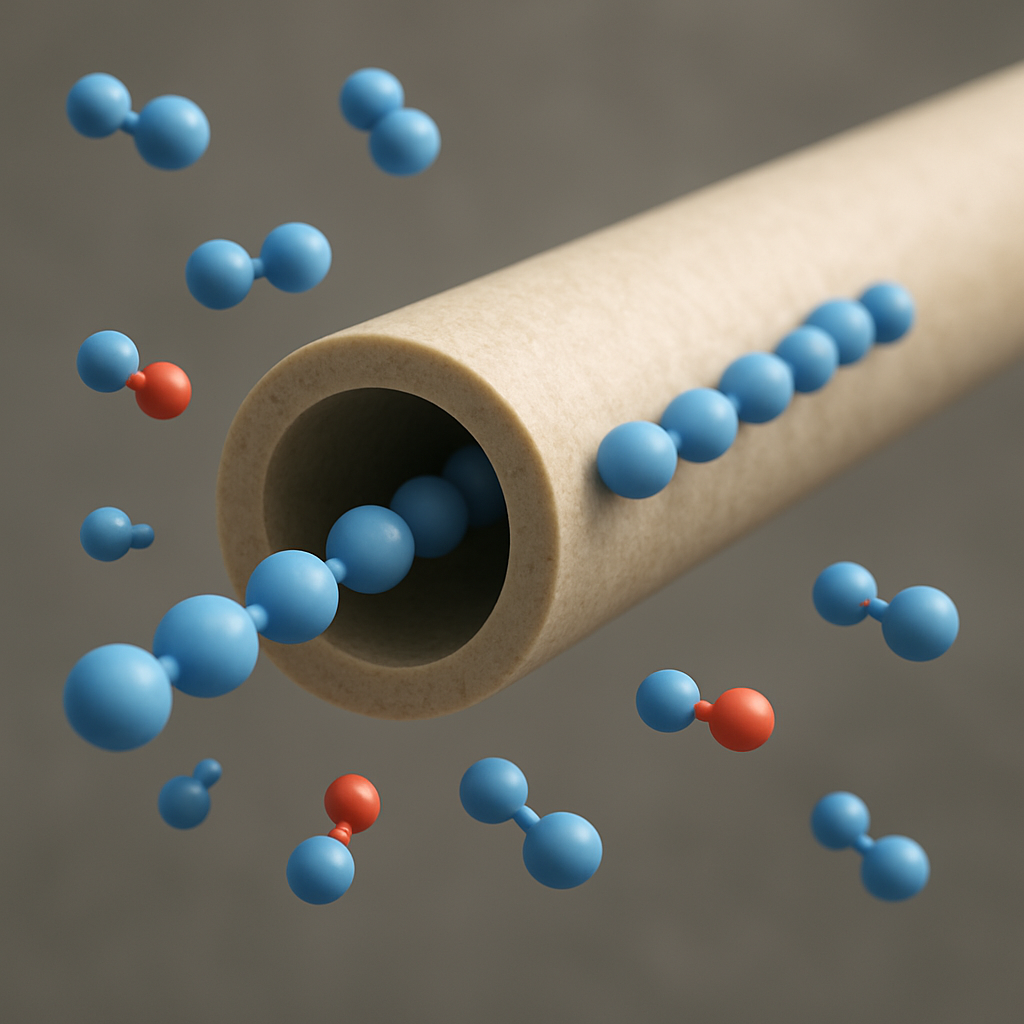
When comparing membrane nitrogen generation vs psa, the membrane acts less like a trap and more like a high-speed fence. Creating nitrogen gas continuously works like shooting tennis balls and basketballs down a long chain-link tunnel. Through selective permeation, the smaller oxygen molecules easily slip out through microscopic holes in the fence, leaving the slightly larger nitrogen molecules to travel straight through and exit safely.
Inside these compact machines sit thousands of tiny straws called hollow fiber membranes. As raw compressed air rushes through, the oxygen naturally leaks away into the atmosphere. Because there are no alternating tanks to switch back and forth, these non-cryogenic nitrogen generation methods provide an uninterrupted flow of gas without any complicated moving parts.
This rugged simplicity is perfect for remote locations where building massive facilities is impossible. Whether inflating high-end sports tires or powering equipment on offshore oil rigs, membranes deliver reliable gas right on demand.
From Rocket Fuel to Potato Chips: Choosing the Right Manufacturing Path
Separating invisible air provides industrial powerhouses with essential gases. The method chosen depends entirely on balancing the energy consumption of nitrogen plants against the purity required:
- Massive Volume (99.9% Purity): Cryogenic Distillation
- High Intermittent Need: Pressure Swing Adsorption
- Steady, Lower Purity: Membrane Separation
Fortunately, the environmental impact of nitrogen extraction is incredibly low; we simply return the unused oxygen back into the atmosphere. Combined with routine nitrogen generator maintenance, these mechanical “air strainers” keep running for decades, pulling what we need without depleting the sky.
Next time you open a puffy bag of chips, consider the invisible gas preserving your food. This precise manufacturing process achieves a 99.9% purity success metric from the very air we breathe.