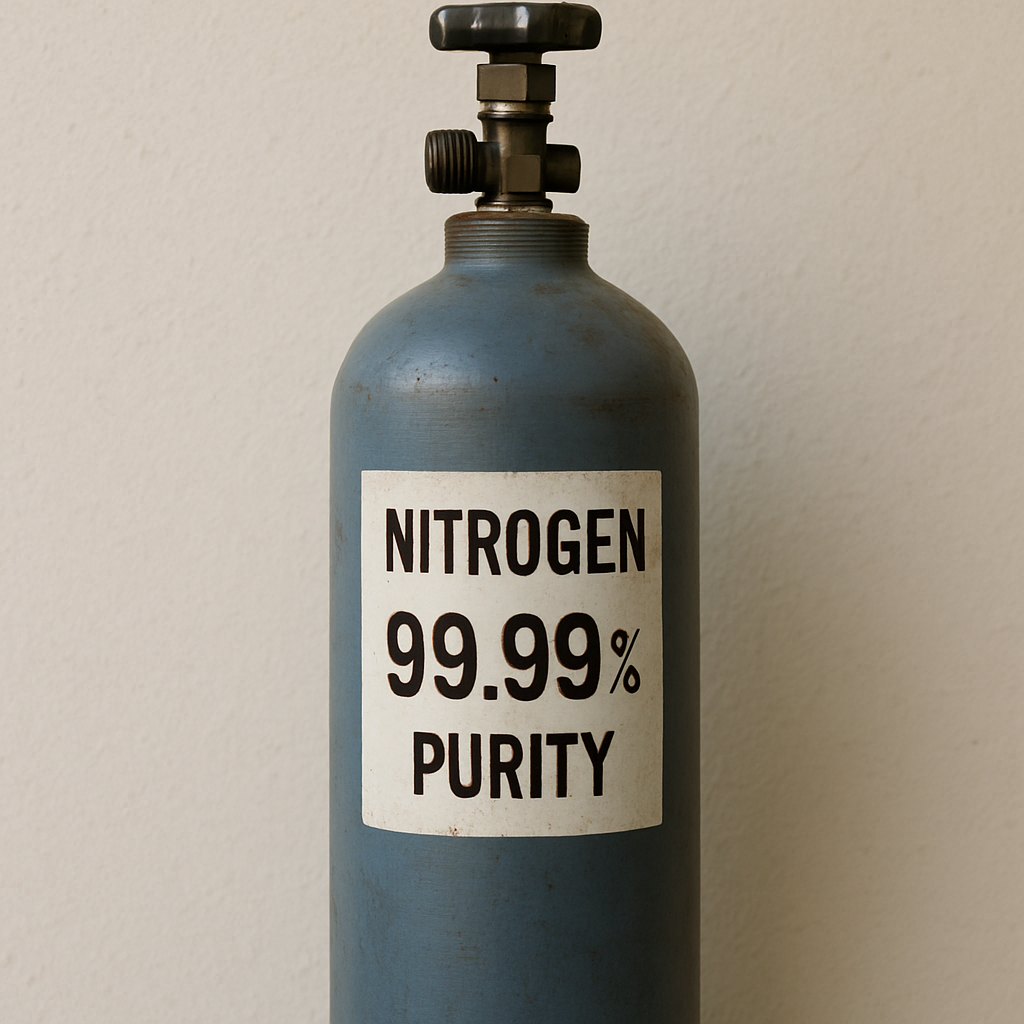
Nitrogen generators are revolutionizing industries by providing a reliable source of high-purity nitrogen gas. The term “5 nines” refers to an impressive 99.999% purity level. This ultra-high purity is crucial for sectors like electronics, pharmaceuticals, and food packaging.
On-site nitrogen generation offers numerous advantages. It reduces dependency on external suppliers and cuts transportation costs. This makes it a cost-effective solution over time.
The technology behind nitrogen generators, such as PSA (Pressure Swing Adsorption), ensures consistent and scalable production. This flexibility is vital for meeting specific industrial needs.
Investing in a nitrogen generator can enhance operational efficiency and safety. It minimizes the risks associated with handling high-pressure gas cylinders. As industries strive for sustainability, nitrogen generators also help reduce carbon footprints.
What Does “5 Nines” Mean in Nitrogen Generation?
The term “5 nines” refers to a nitrogen purity level of 99.999%. This level of purity is critical for industries that demand contamination-free environments. Such high purity minimizes impurities, which could affect product quality.
In sectors like electronics and pharmaceuticals, even minor contaminants can lead to costly failures. Therefore, achieving 5 nines ensures the integrity of sensitive processes. This ultra-pure nitrogen gas prevents oxidation and extends product shelf life.
Here are some key points about “5 nines” nitrogen purity:
- Essential for high-tech manufacturing
- Ensures minimal impurities
- Supports compliance with strict industry standards
Industries dependent on high purity levels benefit greatly from 5 nines nitrogen. It guarantees the safety and efficacy of products. The precision and reliability of this purity standard are pivotal in maintaining product excellence.
How Nitrogen Generators Work: PSA and Other Technologies
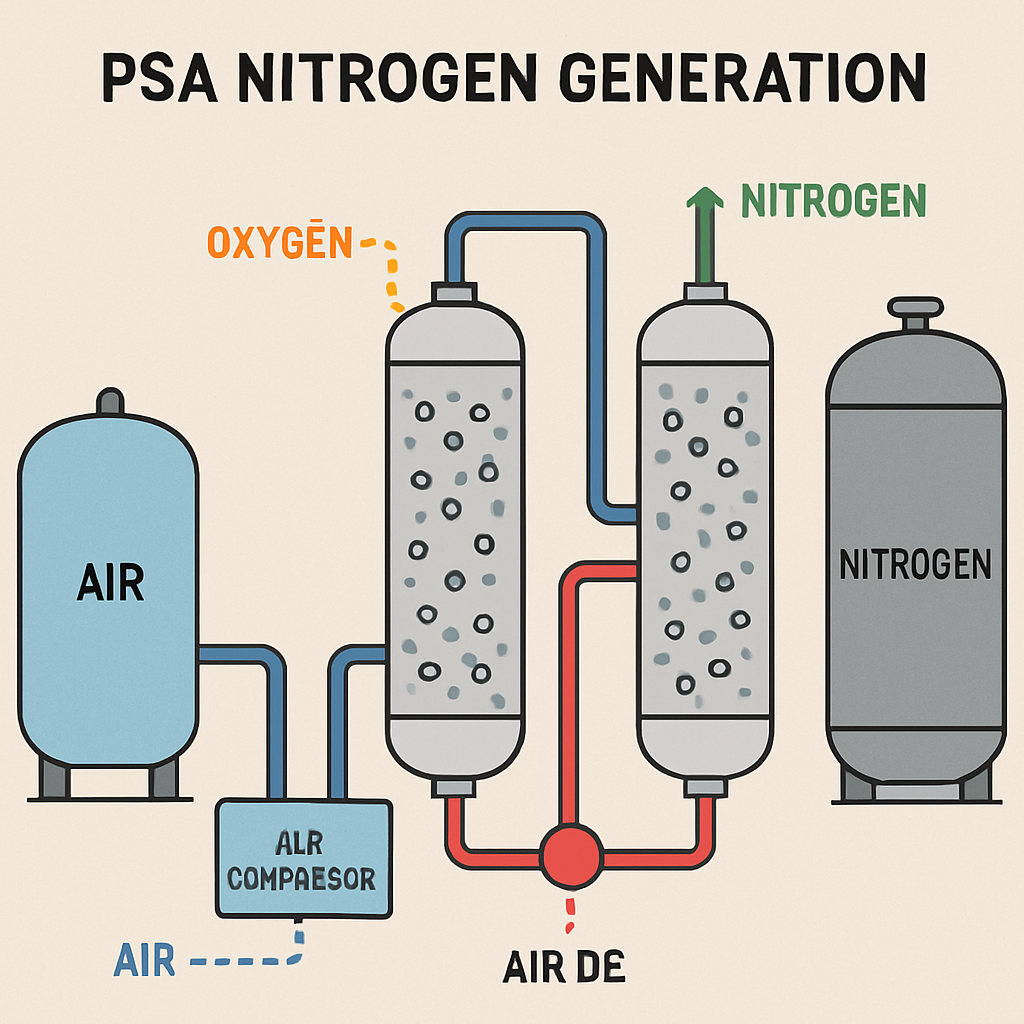
Nitrogen generators produce pure nitrogen gas on-site. The most common method is Pressure Swing Adsorption (PSA). PSA technology uses a pair of vessels filled with adsorbent material.
During PSA, compressed air is passed through these vessels. The adsorbent material traps oxygen and other impurities. This process leaves behind high-purity nitrogen gas.
Besides PSA, other technologies are available. Membrane separation is another popular option. It uses selective permeation to separate nitrogen from compressed air.
The choice of technology depends on specific needs. Key considerations include purity requirements and production scale. Here’s a summary of common nitrogen generation technologies:
- PSA (Pressure Swing Adsorption): Uses adsorbent materials
- Membrane Separation: Uses selective permeation
- Cryogenic Distillation: Suitable for large-scale production
Each method offers unique advantages. For many industries, PSA and membrane systems provide the ideal balance. They combine efficiency, scalability, and cost-effectiveness.
Key Benefits of On-Site Nitrogen Generation
On-site nitrogen generation offers various benefits. It reduces dependency on external suppliers. This approach leads to fewer transportation costs and logistical complexities.
Industries can enjoy enhanced operational efficiency. On-site systems provide a constant nitrogen supply. This minimizes disruptions that may occur due to delayed deliveries.
Additionally, these systems contribute to improved safety. They eliminate the need for handling high-pressure gas cylinders. This not only reduces risks but also enhances workplace safety.
For businesses considering this shift, here are notable advantages:
- Cost Savings: Lower long-term expenses
- Reliable Supply: Continuous and dependable nitrogen availability
- Customizable Solutions: Tailored for specific purity and flow needs
- Environmental Benefits: Reduced carbon footprint from fewer gas deliveries
Finally, the scalability of nitrogen generators allows businesses to adapt to changing needs. This flexibility makes them a preferred choice in dynamic industrial environments.

by Milad Fakurian (https://unsplash.com/@fakurian)
Industries and Applications Requiring 5 Nines Purity
Ultra-high purity nitrogen, or 5 nines, is vital for several industries. This level of purity ensures minimal contaminants. Industries use this purity to maintain stringent quality standards.
The electronics industry benefits greatly from 5 nines purity. Nitrogen creates an inert atmosphere for soldering processes. This reduces oxidation and enhances product reliability.
Pharmaceutical companies also depend on high purity nitrogen. It prevents contamination during drug manufacturing. This is critical for ensuring product safety and efficacy.
Other industries relying on 99.999% nitrogen purity include:
- Food Packaging: Extends shelf life of products
- Aerospace: Ensures the integrity of sensitive components
- Oil and Gas: Used in enhanced recovery and purging
- Chemicals: Provides safe inerting and blanketing
Each of these applications demands uncompromised nitrogen purity for consistent results. Understanding the specific needs of each industry helps optimize nitrogen usage effectively.

by Kamekichi Photos (https://unsplash.com/@kamekichi_photos)
Comparing Nitrogen Generator 5 Nines to Other Purity Levels
Nitrogen generators come with varying purity levels. The 5 nines, or 99.999% purity, stands out. It’s essential for industries with ultra-high purity needs.
Lower purity levels, such as 95% or 98%, are sufficient for less critical processes. These applications may include basic inerting and purging tasks. They are typically more cost-effective but might not meet higher precision needs.
When selecting a nitrogen generator, consider your industry requirements. High purity levels, like 5 nines, are crucial for:
- Sensitive electronic manufacturing
- Pharmaceutical production
- Food preservation with minimal spoilage risk
Assessing the precise purity needs ensures optimal performance and efficiency for your operations. Choosing the right purity level helps balance quality and cost-efficiency.
Factors to Consider When Choosing a Nitrogen Gas Generator
When selecting a nitrogen gas generator, several factors are crucial. Consider the required purity level. Some applications need only 95% purity, while others demand the 5 nines.
Flow rate is another key consideration. The generator must meet your production demands. Ensure it can handle peak usage without strain.
Think about the long-term costs. Upfront costs can be high, but operational savings are possible over time.
Here’s a brief checklist to guide your decision:
- Purity Level: 95% to 99.999%
- Flow Rate: Match your peak needs
- Cost: Consider long-term savings
- Maintenance: Check ease and frequency
- Environmental Impact: Look for eco-friendly options
Evaluating these factors will help you choose a generator that meets your specific needs. A well-chosen generator can enhance efficiency and lower operational costs.
Cost, Maintenance, and Sustainability Advantages
Investing in a nitrogen generator can result in significant financial benefits over time. Although initial costs may be high, eliminating recurring supplier fees saves money in the long run. On-site nitrogen generation reduces the cost of delivery logistics and minimizes waste.
Maintenance requirements for nitrogen generators are typically low. Regular maintenance ensures a dependable supply and prolongs the life of the system. Thus, maintenance expenses remain manageable and predictable.
Sustainability is a growing concern for many industries. Generating nitrogen on-site reduces carbon emissions associated with transportation. Moreover, efficient resource use aligns with modern sustainability goals and practices.
Consider the following advantages:
- Cost Savings: Long-term financial gains
- Low Maintenance: Minimal upkeep needs
- Environmental Impact: Reduced emissions

by Jas Min (https://unsplash.com/@filmbetrachterin)
These advantages collectively make nitrogen generators an appealing option. They offer both economic and environmental benefits, supporting business goals and sustainability efforts.
Conclusion: Is a Nitrogen Generator 5 Nines Right for You?
Deciding whether a nitrogen generator with 5 nines purity is suitable involves evaluating your specific needs. Consider factors such as the level of purity required and the demand for consistent nitrogen supply.
For industries needing ultra-pure nitrogen, these generators provide unmatched benefits in quality and reliability. Weigh your industry needs against the advantages of on-site generation. This will guide you in making an informed choice that aligns with your goals and operational demands.