Did you know that 78% of the air you are breathing right now is nitrogen, yet energy companies pay millions to acquire it in pure form? While public attention usually focuses on the crude coming out of the ground, this invisible gas acts as the unsung hero of energy production. Pure nitrogen is essentially air without the fire-starting oxygen, making it the ultimate safety tool for preventing accidental explosions on the rig.
Beyond basic fire prevention, oil well nitrogen usage solves a massive physical challenge by bringing trapped liquids to the surface. According to field engineers, you can picture underground reservoirs like a nearly empty toothpaste tube. By pumping compressed gas down into the system, crews add the crucial push needed to squeeze the remaining resource upward.
Turning free atmospheric air into a purified, pressurized industrial tool comes with a staggering price tag. Because this transformation requires specialized transport or heavy machinery, the nitrogen cost oilfield managers face frequently dictates a project’s financial viability.
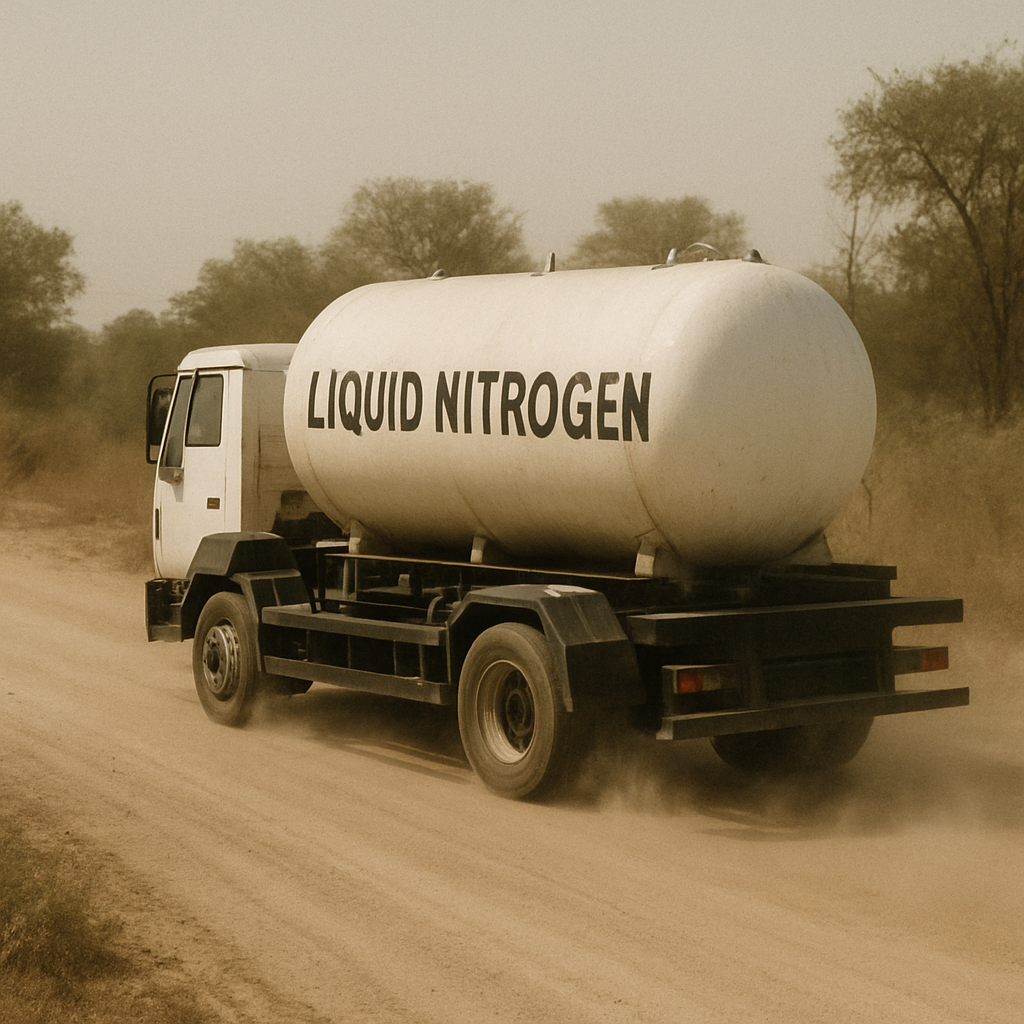
The High Price of ‘Cold’ Logistics: Why Liquid Nitrogen Deliveries Add Up
Keeping nitrogen liquid at -320°F requires extreme refrigeration, an industrial science known as cryogenics. Imagine hauling an enormous block of dry ice that constantly wants to evaporate back into thin air. Because this intense cold is so difficult to maintain, distance and travel time become the biggest factors affecting industrial nitrogen supply chain costs.
Supply routes for this super-cooled cargo rely on a “milk run” system where specialized trucks travel from central plants out to remote wellheads. Therefore, if you are wondering exactly how much does liquid nitrogen cost per gallon for oil wells, the true answer depends heavily on the trucking mileage rather than the raw gas itself.
Worse still, the payload slowly vanishes during transit through a frustrating process called “boil-off.” Even with heavy insulation, heat sneaks in and evaporates the liquid, meaning oil companies pay for product that escapes into the atmosphere before ever arriving. Once delivered, operators must also absorb steep cryogenic nitrogen storage tank leasing fees just to hold the surviving liquid safely on locati0n.
Ultimately, purchasing delivered nitrogen means funding an expensive transportation network. This high logistics premium forces many producers to explore a localized alternative: making your own air, and how on-site generators trade upfront costs for long-term savings.
Making Your Own Air: How On-site Generators Trade Upfront Costs for Long-Term Savings
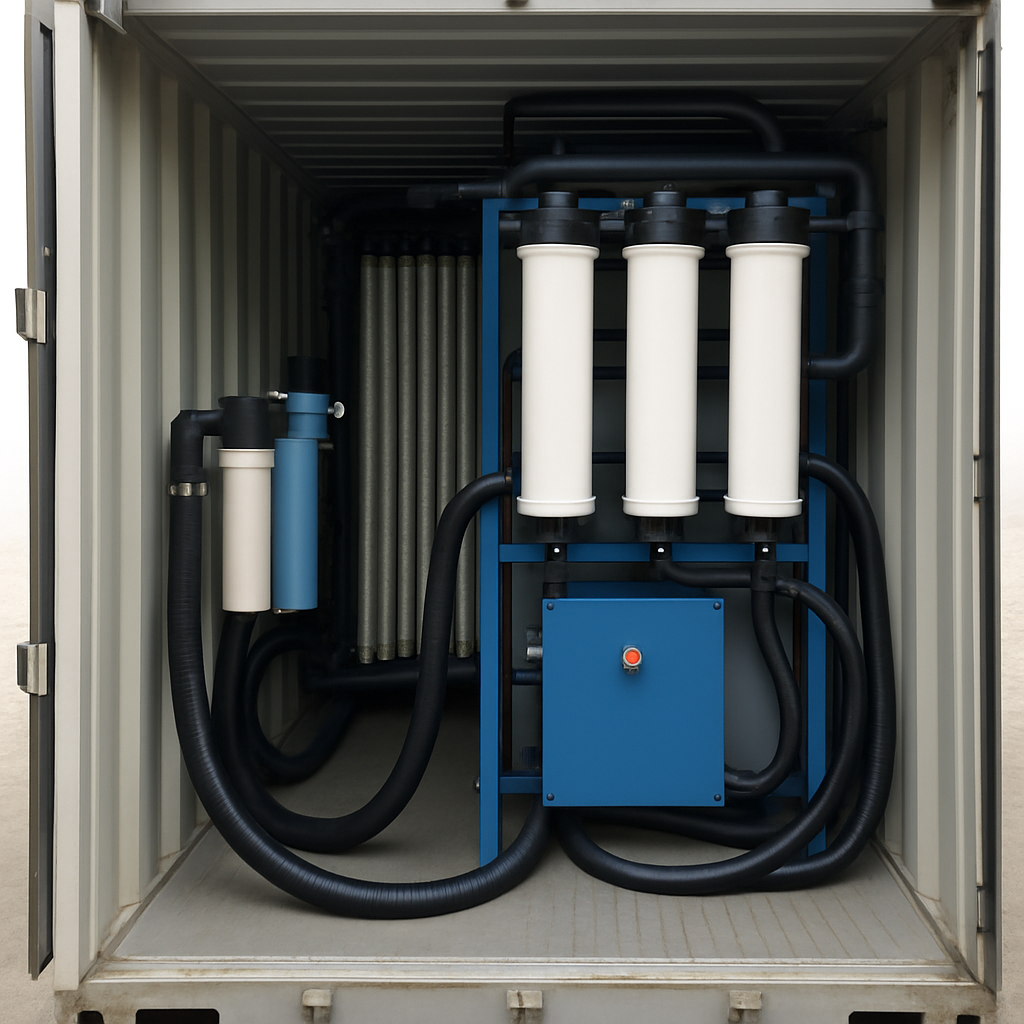
Think of the difference between buying a daily $5 cafe latte and owning your own espresso machine. The cafe charges for the cup, the milk, and the service, while owning the machine means a high upfront cost but pennies per cup afterward. This same logic drives the industry debate over on-site nitrogen generation vs liquid delivery costs. Instead of paying for a fleet of cryogenic trucks, operators can rent equipment to extract their gas right at the wellhead.
These portable factories rely on a technology called a nitrogen membrane system. Imagine thousands of microscopic, hollow straws acting like a nightclub bouncer, letting oxygen and moisture escape while trapping the nitrogen inside. Since our atmosphere is already 78% nitrogen, these units simply pull in ambient air, push it through the filters, and collect the concentrated gas.
Shifting to this “rental-plus-fuel” model trades recurring delivery fees for initial setup costs. When calculating nitrogen membrane system operational expenses, energy companies must evaluate three main trade-offs:
- High upfront rental and installation fees for the physical units.
- Continuous diesel fuel consumption needed to power the massive air compressors.
- The total elimination of expensive trucking and cryogenic boil-off fees.
For high-volume or remote projects, cutting out shipping makes generating your own gas drastically cheaper. However, these membrane filters rarely catch every single oxygen molecule. This introduces another major budget question regarding the financial practicality of ultra-high purity gas.
Purity vs. Profit: Why Paying for 99.9% Pure Nitrogen Might Be a Waste
Washing your car with expensive bottled water is a waste when a garden hose works fine. The same logic applies to industrial gases. While hospitals require ultra-pure, 99.9% nitrogen, most oilfield tasks—like creating a fire-proof environment called inerting—only need 95% purity. Pushing for that extra 4.9% perfection can literally double the cost.
This steep price jump comes down to machine speed. Squeezing every last oxygen molecule out of the air forces on-site generators to run significantly slower. Slower production means longer operating hours and higher diesel fuel bills. Consequently, energy companies must carefully weigh membrane vs cryogenic nitrogen purity cost trade-offs, balancing cheaper on-site gas against expensive, truck-delivered perfection.
Operators simply match the gas quality to the chore. While sensitive chemical reactions demand pure gas, basic fire safety does not. Accurately calculating nitrogen volume requirements for purging pipes at the 95% sweet spot prevents wasting money. Matching these efficiency choices to field requirements directly impacts the final numbers seen on an oilfield service invoice.
From Pumping Rates to Rental Fees: Decoding Your Oilfield Service Invoice
Reading a service bill feels like checking a mechanic’s invoice—materials are cheap, but the specialized labor is shocking. The nitrogen gas is inexpensive; the real cost is the heavy equipment pushing it underground, like coiled tubing, which acts as a miles-long flexible straw.
To decode oilfield nitrogen pumping service rates, you must separate the gas from its delivery. Typical invoice items include:
- Mobilization fee: The steep “delivery charge” to drive heavy trucks to remote sites.
- Hourly pumping rate: Active costs reflecting high-pressure nitrogen unit rental prices.
- Equipment rental: Fixed coil tubing nitrogen service day rates, applied whether the machinery is actively pumping or sitting perfectly idle.
- Fuel surcharges: Extra diesel costs to power the operation.
Because flat delivery and daily rentals apply immediately, the very first hour is always the most expensive. Recognizing this cost structure allows operators to strategically plan well interventions to minimize idle equipment fees.
Choosing Your Nitrogen Strategy: Three Questions to Ask Before Your Next Well Intervention
Picking the most cost-effective nitrogen source relies on a simple “Volume vs. Distance” rule. By balancing volume, locati0n, and duration, operations teams can confidently choose between liquid delivery and on-site generation to protect the final cost-per-barrel.
Tightening project schedules directly cuts expensive standby fees. Operators can actively reduce nitrogen consumption in well stimulation and minimize gas wastage during well interventions simply by avoiding on-site delays. Finally, confirming with contractors if slightly lower purity levels can safely complete the job often yields instant savings of up to 20%. Ultimately, the best price tag is the one that perfectly balances safety with operational speed.