Surface Mount Technology (SMT) is a cornerstone of modern electronics manufacturing. It involves placing components directly onto the surface of printed circuit boards. This process is crucial for creating compact and efficient electronic devices.
However, SMT production faces challenges, especially during soldering. Oxidation and defects can compromise the quality of solder joints. This is where nitrogen gas plays a vital role.
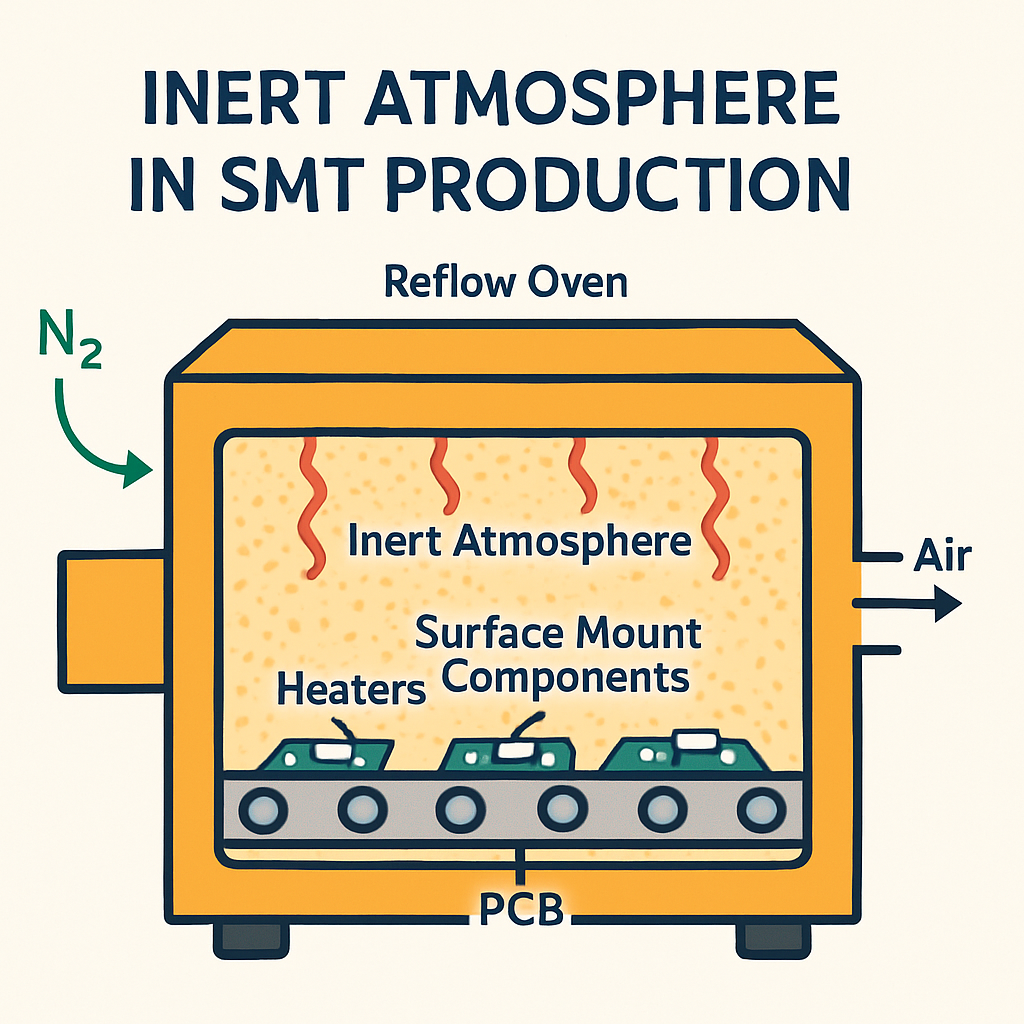
Nitrogen gas creates an inert atmosphere during soldering. This reduces oxidation and improves solder joint quality. It enhances the reliability and longevity of electronic assemblies.
Understanding why SMT production needs nitrogen gas is essential. It helps manufacturers achieve higher quality and efficiency in electronics production.
Understanding SMT Production and Soldering Challenges
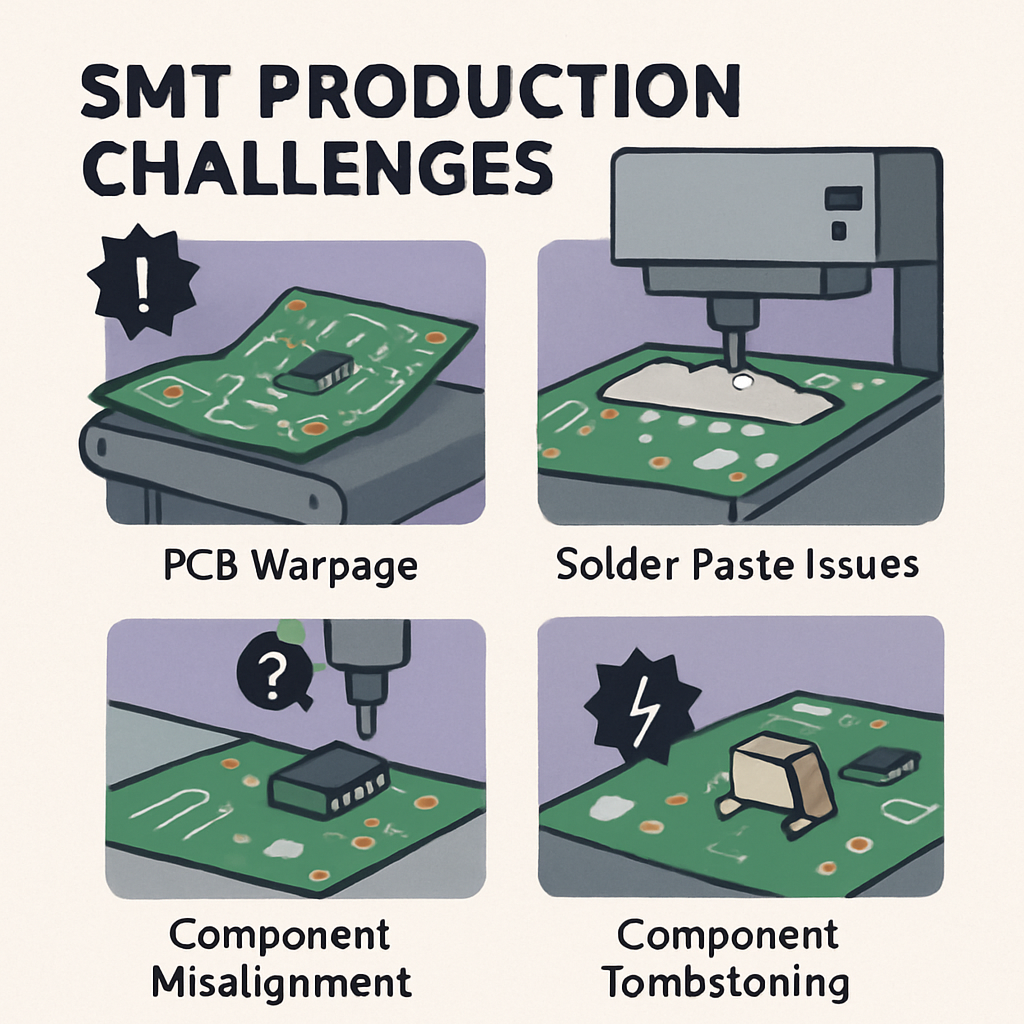
SMT production involves intricate processes that demand precision. The placement of components on circuit boards must be exact. Soldering then connects these components to ensure functionality.
Soldering in SMT is not without its hurdles. Oxidation is a common issue that affects solder joint quality. If not controlled, oxidation leads to weakened connections.
Defects such as voids and bridges can occur during soldering. These defects compromise the reliability of electronic assemblies. High defect rates can result in increased rework and scrap costs.
To tackle these challenges, manufacturers aim for solutions that improve soldering outcomes. Key focus areas include:
- Reducing oxidation
- Minimizing defects
- Enhancing reliability
The Role of Nitrogen Gas in SMT Production
Nitrogen gas plays a crucial role in mitigating soldering challenges. By creating an inert atmosphere, it significantly reduces oxidation. This leads to improved solder joint quality.
In electronics manufacturing, nitrogen gas enhances the wetting of solder paste. Better wetting results in more uniform and reliable connections. This is critical for the longevity of electronic components.
Using nitrogen in SMT production lowers defects such as voids and bridges. It supports the achievement of consistent and efficient soldering outcomes. Reduced defects mean fewer reworks and decreased waste.
Manufacturers can ensure improved mechanical strength in solder joints with nitrogen. This strengthens the overall product reliability. Consequently, this augments customer satisfaction and reduces long-term costs.
Key roles of nitrogen gas include:
- Reducing oxidation
- Improving wetting
- Lowering defects
- Enhancing strength
Key Benefits of Using Nitrogen Gas in SMT Soldering
Nitrogen gas offers several benefits in the SMT soldering process. It provides an inert environment during soldering. This environment minimizes oxidation, enhancing solder joint integrity.
A crucial advantage is the reduction of solder defects. Nitrogen atmosphere helps lessen the occurrence of voids and bridges. This enhances the functionality and durability of electronic assemblies.
By using nitrogen, manufacturers can achieve more consistent soldering results. This leads to less variability in the production process. Thus, it improves the overall reliability of the final products.
Nitrogen also reduces dross formation during soldering. Dross reduction contributes to better quality control. This leads to a cleaner and more efficient manufacturing process.
The benefits extend to the mechanical properties of solder joints. Nitrogen helps produce stronger and more reliable connections. This is invaluable for electronics used in demanding applications.
Key benefits of nitrogen in SMT soldering include:
- Minimized oxidation
- Reduced defects
- Consistent soldering outcomes
- Lower dross
- Enhanced mechanical properties

by Evan Strock (https://unsplash.com/@intl_eds)
How Nitrogen Improves Solder Joint Quality and Reliability
Nitrogen plays a pivotal role in enhancing solder joint quality. In SMT soldering, nitrogen creates an oxygen-free zone. This prevents oxidation of solder paste and component leads.
Oxidation can lead to weak joints and potential failures. Nitrogen’s presence ensures a clean joint surface. This results in superior wettability and adherence of the solder.
Improved wettability leads to robust solder joints. It allows the solder to cover and bond parts effectively. Consequently, this enhances the mechanical strength of the connections.
Furthermore, nitrogen’s impact on reliability is significant. It helps maintain the integrity of sensitive components. Enhanced reliability is critical in modern, dense circuit boards.
Key improvements with nitrogen include:
- Oxidation prevention
- Enhanced wetting
- Stronger joints
- Better component protection

by Sandip Kalal (https://unsplash.com/@atomsmasher)
Nitrogen Supply Methods for SMT Manufacturing
To incorporate nitrogen in SMT, manufacturers must consider supply methods. There are several options available. Each method varies in cost, convenience, and scalability.
Liquid nitrogen tanks are a common choice. These tanks provide high-purity nitrogen. However, they require regular refills and a controlled storage environment.
On-site nitrogen generators offer an alternative. They produce nitrogen as needed, eliminating the need for deliveries. This can be more cost-effective over time, especially for large-scale operations.
Choosing the right supply method depends on production needs. Considerations include volume requirements, cost factors, and space availability.
Possible nitrogen supply options:
- Liquid nitrogen tanks
- On-site nitrogen generators
- Delivered gas cylinders
Cost Considerations and Environmental Impact
The use of nitrogen gas in SMT production involves initial investments. These include equipment purchases and potential operational adjustments. However, the long-term cost savings can outweigh these initial expenditures.
Reduced solder defects and rework significantly decrease production costs. Manufacturers often see improved yield and less waste over time. This long-term efficiency makes nitrogen usage cost-effective.
Furthermore, nitrogen gas has an environmental advantage. It reduces the use of flux, minimizing harmful emissions and waste. The eco-friendly benefits align with growing industry trends towards sustainability.
Key cost and environmental benefits:
- Reduced production waste
- Lower defect rates
- Minimization of harmful emissions
Industry Trends and Future Outlook
The electronics industry is rapidly evolving towards smaller and more efficient devices. As component density increases, the demand for precise soldering grows. Nitrogen gas plays a key role in meeting these precision requirements.
Looking ahead, nitrogen use in SMT production will likely become more widespread. Industry trends suggest an ongoing focus on quality and environmental responsibility. Nitrogen’s ability to enhance efficiency aligns perfectly with these priorities.
Conclusion: Why Nitrogen is Essential for Modern SMT Production
Nitrogen gas has become crucial in modern SMT production. Its ability to reduce defects and improve reliability cannot be overstated. By minimizing oxidation, it ensures superior solder joint quality.
The benefits of using nitrogen also extend to cost and environmental aspects. It helps reduce waste, rework, and emissions. For manufacturers aiming for excellence, nitrogen use is a wise choice.
Incorporating nitrogen into SMT processes aligns with industry trends. It supports the move towards miniaturization and efficiency. As the industry evolves, nitrogen will continue to be key in achieving high-quality electronic assemblies.