Every time you sprinkle fertilizer on your lawn, you are participating in a massive balancing act. Nitrogen is the high-octane fuel powering plant growth, while the soil is the engine. According to agricultural experts, pouring extra fuel into this engine rarely guarantees better performance.
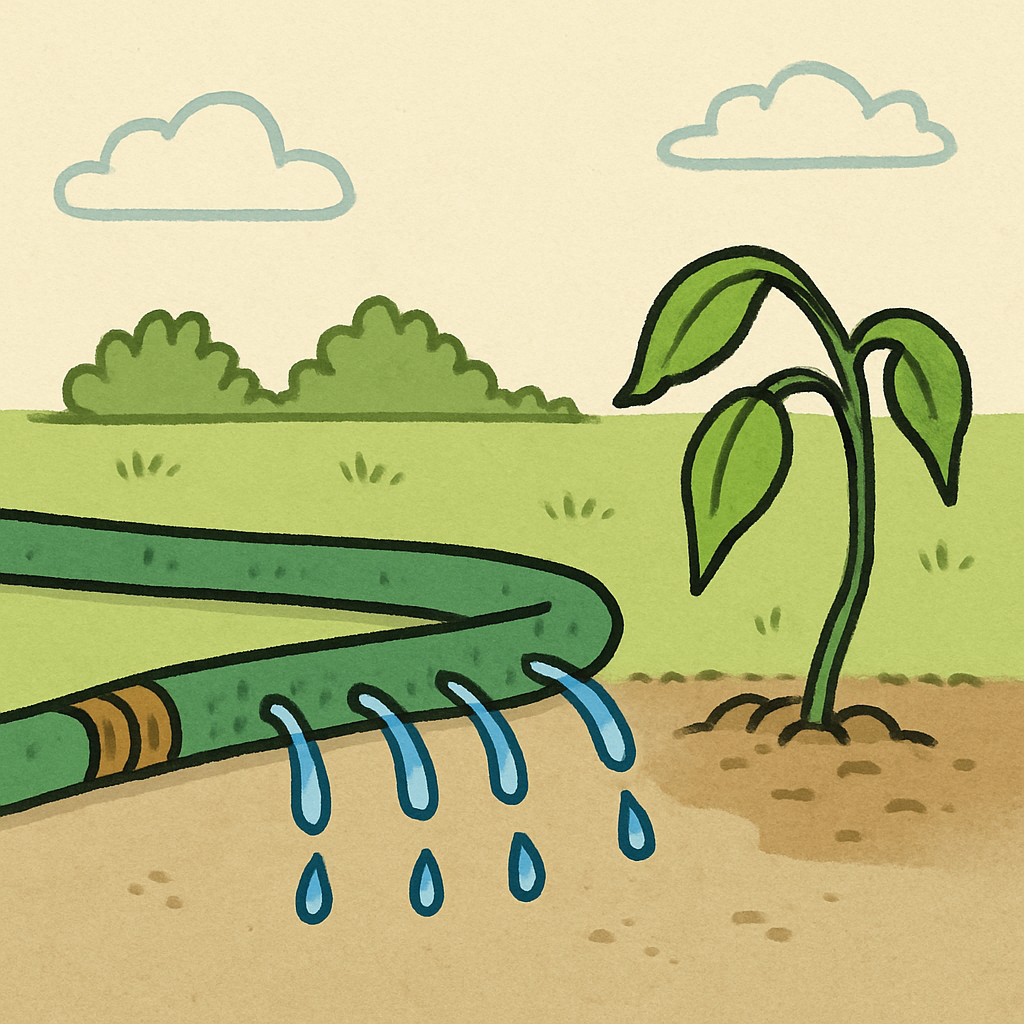
Industry data reveals that surplus fertilizer simply disappears. This waste occurs through two natural leaks: “leaching,” where nitrogen washes away with heavy rain, and “volatilization,” where it evaporates as waste gas. Spilling this valuable fuel becomes both an environmental hazard and a severe financial drain.
Effective nitrogen management strategies focus entirely on plugging these leaks. By exploring what factors affect nitrogen uptake in plants, anyone can achieve serious nitrogen cost reduction.
The 4R Stewardship Framework: Your Blueprint for 70% Savings
Because plants cannot pull all the food they need from thin air, we must supply it manually. However, blindly spreading fertilizer wastes money and harms local water. To plug this leaky pipe, experts developed the 4R nutrient stewardship framework. This gold standard approach cuts waste by up to 70%.
These modern nitrogen management strategies rely on four simple rules:
- Right Source: Matching the exact product to your plants’ needs.
- Right Rate: Giving just enough amount to match your soil’s history.
- Right Time: Applying the food exactly when the plant is ready for uptake.
- Right Place: Putting it right where the roots are.
When you stop fertilizing out of pure habit, you immediately start working smarter. Hitting the proper rate prevents flooding the soil’s engine, while mastering the correct placement is crucial for optimizing nitrogen fertilizer use efficiency. This keeps your investment safely in the garden instead of accidentally feeding driveway weeds or fueling green pond algae.
Aligning these four decisions ultimately protects your community’s drinking water and your household budget simultaneously. Modern tools automate these stewardship habits, ensuring nutrients are delivered precisely where needed.
Precision Technology: Using ‘Personalized Nutrition’ to Cut Waste
Have you noticed certain patches of your lawn grow faster than others? Since soil quality varies naturally even in small backyards, spreading fertilizer evenly is like forcing a whole family to eat identical meals. Some spots overeat, while others starve.

To fix this, precision nitrogen application technology acts as personalized nutrition for the earth. Variable Rate Application (VRA) lets equipment adjust fertilizer flow on the go. Giving each inch exactly what it needs prevents dangerous “hot spots” where excess chemicals wash into local waters.
Guesswork vanishes completely thanks to plant greenness sensors that optically scan leaves to detect plant hunger levels in real time. The variable rate nitrogen application benefits become obvious quickly: feeding only the hungry spots costs drastically less than needlessly treating the whole property.
Improving soil health through nitrogen monitoring ensures your garden’s “engine” never floods with excess fuel. However, applying fertilizer in the right locati0n must be paired with precise timing to maximize absorption.
Timing Is Everything: Why Split Application Beats One-and-Done
Imagine eating your entire week’s meals on Monday. You would waste most of it and starve by Friday. Plants react similarly. When wondering when is the best time to apply nitrogen fertilizer, the answer is right before a major growth spurt. Tossing a season’s worth of food down early means unabsorbed “fuel” just waits for rain to wash it into local streams.
Instead of a giant buffet, smart growers use split nitrogen application methods. This means dividing fertilizer into smaller doses served as the plant’s engine revs up, offering three key advantages:
- Reduced leaching risk into local waters.
- Better growth synchrony with the plant’s hunger.
- Lower total nitrogen requirement, saving money.
Before adding a second dose, check your soil’s pantry. A Pre-Sidedress Nitrate Test (PSNT) takes inventory of what is already there. Conducting this test involves analyzing a late-spring soil sample to measure existing nitrogen. If the soil is stocked, or if forecasts predict heavy runoff-causing rain, keep the bag closed.
Mastering this timing protects your garden and the environment. If multiple yard treatments aren’t practical, specialized fertilizer formulations provide a reliable alternative.
Slow-Release vs. Stabilized: Choosing the Right ‘Battery’ for Your Nitrogen
Staring at the fertilizer aisle, you might wonder why some bags cost double. It comes down to how the “fuel” is packaged. When comparing organic vs synthetic nitrogen sources, organic options like compost naturally act like a slow-drip coffee maker, building long-term soil health. Synthetic “instant-on” fertilizers give a quick green-up, but much of that fast energy washes away before roots can catch it.

To fix this leaky pipe, scientists created tiny “batteries” for your yard. Coated slow-release pellets wear a physical jacket that melts gradually with soil moisture. Paying more per bag upfront actually saves you money per season because your garden drinks every drop without wasting any to runoff.
Chemical stabilizers offer another approach entirely. When weighing slow-release fertilizer vs stabilized nitrogen, stabilizers use an invisible chemical shield rather than a physical shell. This delays the breakdown process, minimizing ammonia volatilization losses—a fancy way of saying it stops nitrogen from evaporating into the air. Pairing the right fertilizer type with a strategic schedule ensures long-term efficiency.
From Waste to Wealth: Your 30-Day Action Plan for Nitrogen Efficiency
By adopting modern nitrogen management strategies, you transform from a blind applicator into a precision manager. Hitting an ambitious 70% waste reduction target isn’t magic; it comes from small, compounding changes that plug your soil’s “leaky pipes.”
Here is The Efficiency Audit Checklist:
- Conduct a pre-sidedress nitrate test (PSNT) to establish a baseline.
- Choose a slow-release or stabilized nitrogen source.
- Schedule split applications to match growth stages.
- Monitor results to minimize nitrate leaching into groundwater.
Environmental health and personal savings share the exact same requirements. When you stop over-fueling your land, you lower costs, achieve greener results, and protect local ecosystems. Start by testing your soil today.