Gas Chromatography Mass Spectrometry (GC-MS) is a powerful analytical tool used in many scientific fields. Whether you are new to the world of analytical chemistry or just curious about how this technology works, this guide will break down the basics of GC-MS in a straightforward way.
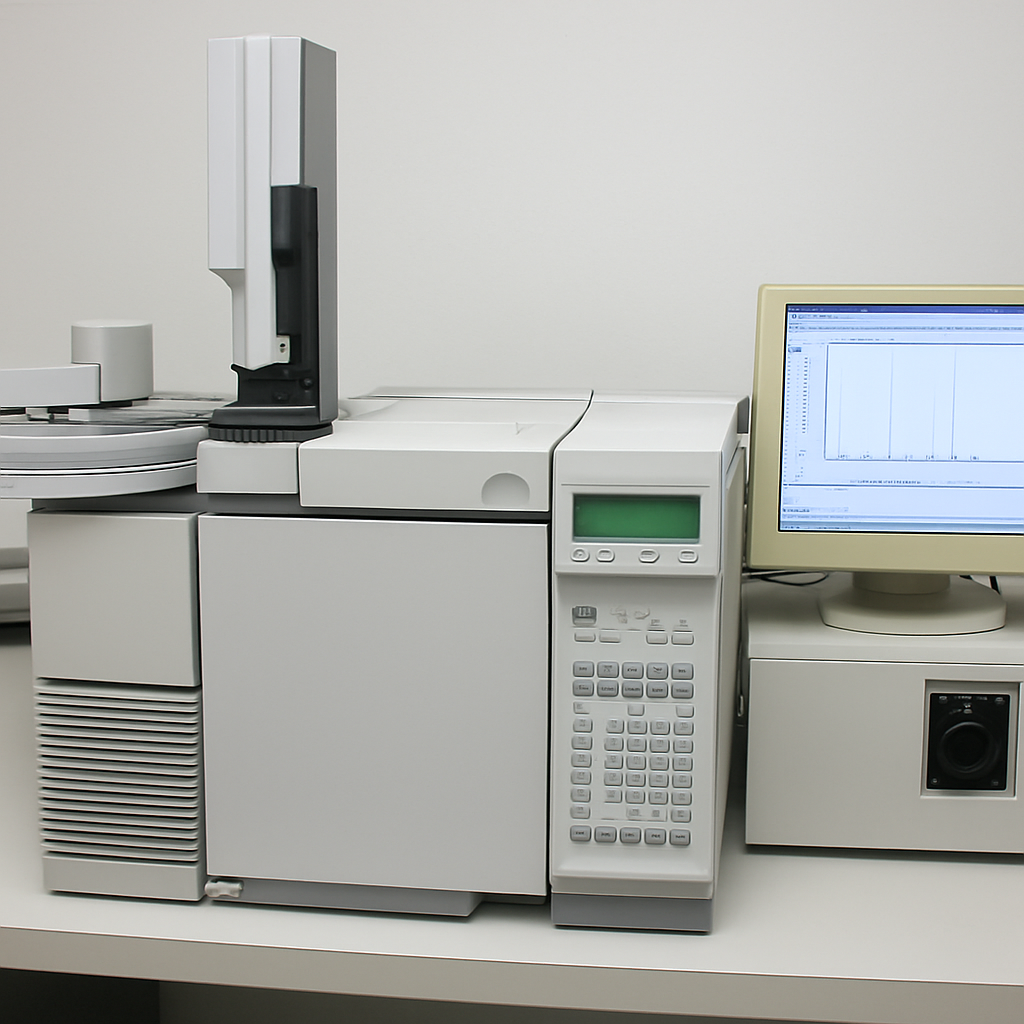
Gas Chromatography Mass Spectrometry, often abbreviated as GC-MS, is a method that combines two techniques: gas chromatography and mass spectrometry. Together, they allow scientists to identify and quantify different substances in a sample. This combination makes GC-MS one of the most reliable and versatile analytical methods available today.
Understanding Gas Chromatography
Gas Chromatography (GC) is the first part of the process. In GC, the sample is vaporized and carried by an inert gas through a column filled with a stationary phase. As the sample moves through the column, its components separate based on how they interact with the stationary phase. Different substances will take different amounts of time to travel through the column, allowing them to be separated from one another.
Delving into Mass Spectrometry
Once the substances are separated, they are fed into the Mass Spectrometer. Mass Spectrometry (MS) works by ionizing the chemical compounds to generate charged molecules or molecule fragments, and then measuring their mass-to-charge ratios. This creates a spectrum that can be used to identify the components of the sample.
Why Use GC-MS?
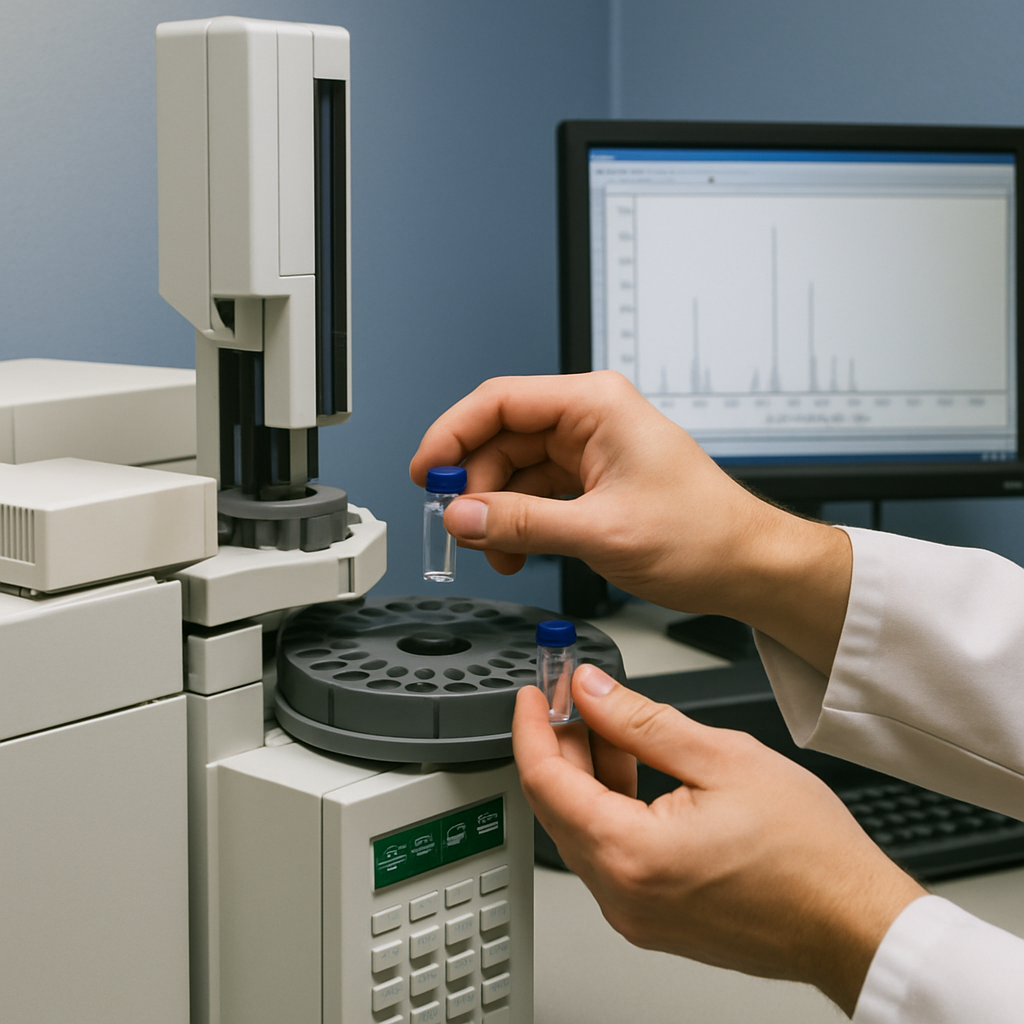
GC-MS is widely used because it provides both qualitative and quantitative data. Here are some reasons why GC-MS is preferred in many laboratories:
- High Sensitivity: GC-MS can detect substances at very low concentrations, making it ideal for testing trace elements.
- Accuracy: It provides precise measurements of the components of a sample.
- Versatility: GC-MS can be used in many fields, such as environmental testing, pharmaceuticals, and forensics.
- Robustness: The technique is reliable and can consistently produce high-quality data.
How Does GC-MS Work?
The GC-MS process can be broken down into several key steps:
Step 1: Sample Preparation
Before analysis, samples need to be prepared. This might involve dissolving the sample in a solvent or performing an extraction to isolate the compounds of interest. Proper sample preparation is crucial for accurate results.
Step 2: Separation by Gas Chromatography
Once prepared, the sample is introduced into the gas chromatograph. The sample is vaporized and carried by an inert gas (like helium) through the column. As mentioned earlier, the components of the sample separate based on their interactions with the stationary phase inside the column.
Step 3: Detection by Mass Spectrometry
After separation, the individual components enter the mass spectrometer. Here, they are ionized, and their mass-to-charge ratios are measured. The resulting spectrum is a unique “fingerprint” that can be used to identify each component.
Step 4: Data Analysis
The data from the mass spectrometer is analyzed to identify and quantify the components of the sample. Specialized software helps match the spectra to known substances in a library, providing the user with the identity of the compounds.
Applications of GC-MS
 by ThisisEngineering (https://unsplash.com/@thisisengineering)
The applications of GC-MS are vast and varied. Here are a few examples of how it is used across different industries:
Environmental Analysis
In environmental science, GC-MS is used to detect pollutants in air, water, and soil. It helps in monitoring environmental quality and ensuring compliance with environmental regulations.
Forensic Science
GC-MS is a staple in forensic laboratories. It is used to analyze substances found at crime scenes, such as drugs and explosives, helping to provide evidence in criminal investigations.
Pharmaceutical Industry
In pharmaceuticals, GC-MS is used in the research and development of new drugs. It ensures the purity of compounds and helps in the identification of potential impurities.
Food and Beverage Industry
GC-MS is employed to ensure food safety and quality by detecting pesticides, contaminants, and flavors in food and beverages.
Advantages and Limitations of GC-MS
While GC-MS is a powerful tool, it has its pros and cons.
Advantages
- High Sensitivity and Specificity: It can detect and identify compounds at very low concentrations.
- Comprehensive Analysis: Provides both qualitative and quantitative data.
- Broad Range of Applications: Useful in various fields from environmental science to pharmaceuticals.
Limitations
- Complex Sample Preparation: Some samples require extensive preparation before analysis.
- Cost: The equipment and maintenance can be expensive, which may be a limitation for smaller laboratories.
- Technical Expertise Required: Proper operation and interpretation of results require trained personnel.
Conclusion
Gas Chromatography Mass Spectrometry is a sophisticated analytical technique that plays a crucial role in many scientific disciplines. Its ability to accurately identify and quantify complex mixtures makes it an invaluable tool for researchers and professionals alike. By understanding the basics of GC-MS, you can appreciate its importance and the impact it has in advancing science and technology. Whether you’re a budding chemist or simply curious about analytical methods, GC-MS is a remarkable technology worth exploring.
In summary, GC-MS combines the separating power of gas chromatography with the identifying power of mass spectrometry, offering a robust method for analyzing chemical samples across numerous industries. As technology continues to evolve, GC-MS will undoubtedly continue to be at the forefront of analytical advancements.
Founded in 2013 and 2014, Shenzhen Yuhan Electronic Technology Co., Ltd. and Suzhou Hongjinli Gas Equipment Co., Ltd. specialize in PSA nitrogen generators, oxygen generators, nitrogen purification systems, and gas equipment solutions. Our expertise spans industries including SMT manufacturing, semiconductor packaging, optoelectronics, and food and pharmaceutical storage.