Food grade nitrogen plays a vital role in various industries. It ensures the safety and quality of products. This high-purity nitrogen is essential for many applications.
Nitrogen generators produce nitrogen on-site. They offer a cost-effective and reliable supply. This eliminates the need for gas cylinders.
Industries like food, beverage, and pharmaceuticals rely on nitrogen. It helps prevent oxidation and spoilage. This extends the shelf life of products.
Using nitrogen in packaging maintains product freshness. It preserves color, flavor, and texture. This is crucial for consumer satisfaction.
On-site nitrogen generation is environmentally friendly. It reduces the carbon footprint. This makes it a sustainable choice for businesses.
What Is Food Grade Nitrogen?
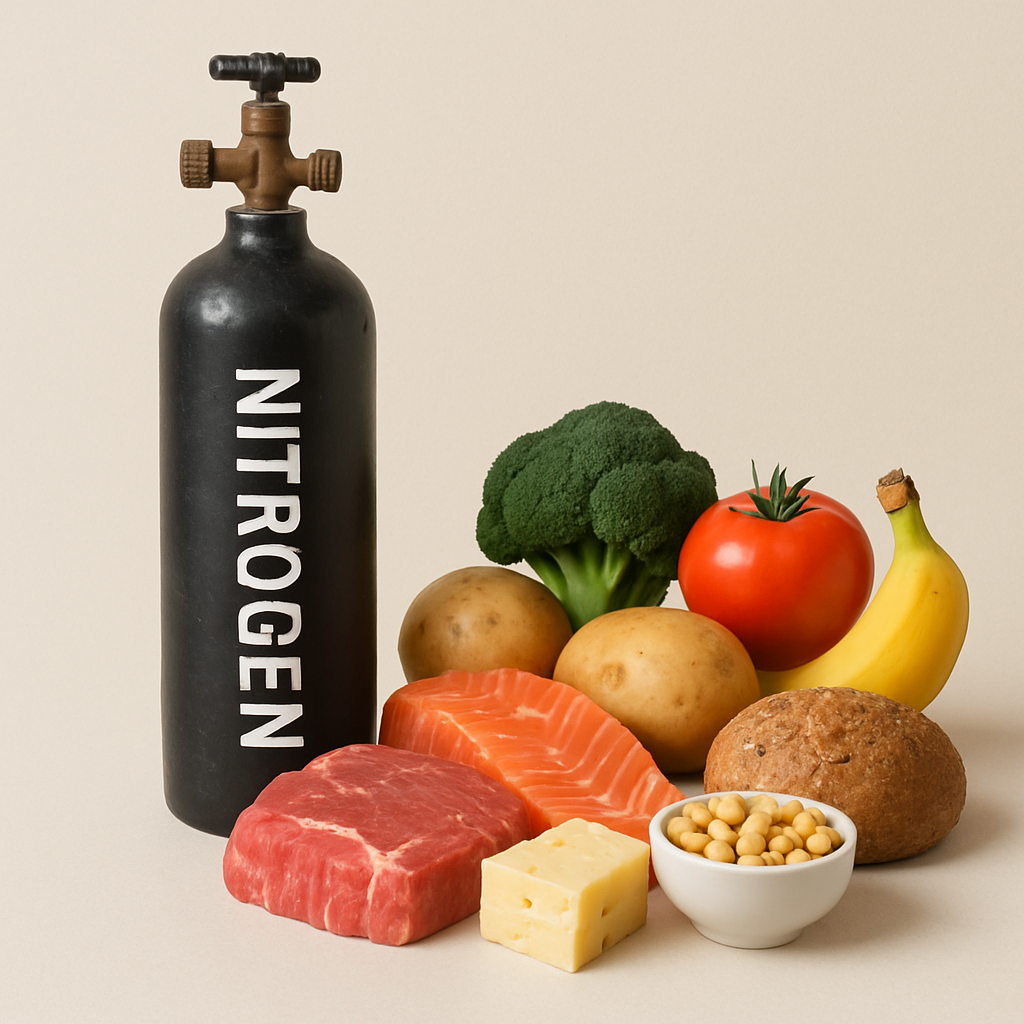
Food grade nitrogen is a type of high-purity nitrogen. It is specifically used in the food and beverage industry. This ensures that safety standards are consistently met.
The purity of food grade nitrogen is vital. It prevents contamination and spoilage. As a result, it maintains product quality and safety.
Here’s what distinguishes food grade nitrogen:
- It displaces oxygen to prevent oxidation.
- It is free from contaminants and impurities.
- It meets strict regulatory standards.
By using food grade nitrogen, industries can protect their products. This leads to longer shelf lives and improved consumer trust.
How Food Grade Nitrogen Generators Work
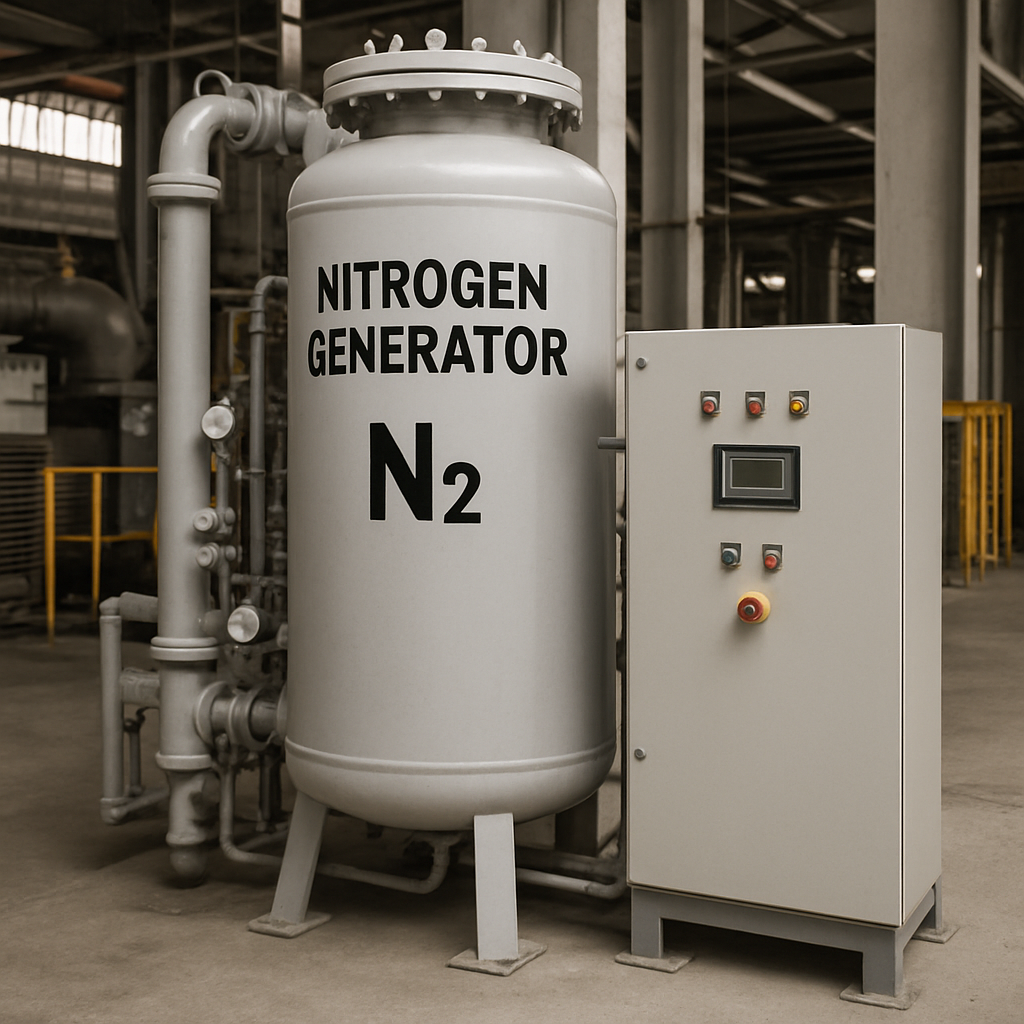
Food grade nitrogen generators produce nitrogen directly on-site. This eliminates the need for gas cylinder deliveries. They utilize advanced technology to separate nitrogen from air.
The process begins by filtering the air. Generators then separate nitrogen from other gases like oxygen. The result is a constant supply of high-purity nitrogen.
Key steps in the operation include:
- Air is drawn into the generator.
- Unwanted gases are removed through filtration.
- Pure nitrogen is collected and stored.
This method offers flexibility and control over nitrogen purity levels. Businesses can adjust the output to meet specific needs. It also reduces costs and enhances efficiency.

by Growtika (https://unsplash.com/@growtika)
Key Industrial Applications of Food Grade Nitrogen
Food grade nitrogen plays a crucial role in multiple industries. Its primary function is to create oxygen-free environments. This helps in preserving products and enhancing safety standards.
Industries using nitrogen span from food to electronics. Each sector benefits uniquely from this inert gas. Reduced oxidation is a shared advantage across these fields.
Notable applications include:
- Food packaging to extend shelf life.
- Preservation of beverages, avoiding oxidation.
- Maintenance of pharmaceutical product integrity.
The use of nitrogen continues to expand into new areas. Advancements in technology drive this growth. Businesses improve efficiency and product quality through its use.

by Marcin Jozwiak (https://unsplash.com/@marcinjozwiak)
Food and Beverage Industry
In the food industry, nitrogen helps preserve freshness. By displacing oxygen, it prevents spoilage and decay. Modified Atmosphere Packaging (MAP) is a common technique used.
Nitrogen is vital in the beverage sector as well. It maintains carbonation in drinks and prevents oxidation. This process ensures beverages retain their original taste and quality.
Common food and beverage uses include:
- Extending the freshness of packaged goods.
- Preventing spoilage in dairy products.
- Maintaining drink freshness and flavor.

by EqualStock (https://unsplash.com/@equalstock)
Pharmaceutical and Chemical Industries
The pharmaceutical industry uses nitrogen to maintain product integrity. It prevents contamination and preserves drug efficacy. Nitrogen’s inert nature is key in these applications.
Chemical industries benefit from nitrogen through safety measures. It prevents hazardous reactions during production. This practice enhances safety and product consistency.
Typical applications include:
- Preservation of drug stability.
- Prevention of chemical oxidation.
- Safe storage and production in chemical plants.
Electronics, Metal, and Other Sectors
Electronics production relies on nitrogen for inert atmospheres. It prevents oxidation, ensuring high-quality products. This is crucial for manufacturing sensitive electronic components.
Metal industries utilize nitrogen in heat treatment. It prevents oxidation, improving product quality. Other sectors also find value in nitrogen’s non-reactive properties.
Applications include:
- Creating inert environments for electronics.
- Preventing oxidation during metal processing.
- Enhancing safety in various manufacturing processes.
Benefits of On-Site Nitrogen Generation
On-site nitrogen generation offers numerous advantages to businesses. First and foremost, it provides a reliable supply of nitrogen. This reduces dependence on external suppliers and improves operational continuity.
Cost efficiency is another significant benefit. Generating nitrogen on-site eliminates transportation and storage costs. This can lead to substantial savings over time.
Flexibility and control are also noteworthy. Companies can adjust nitrogen production to meet specific demands. This adaptability ensures optimal usage and resource management.
Key benefits include:
- Consistent and reliable supply.
- Reduced operational costs.
- Enhanced flexibility and control over production.
On-site nitrogen generation is a practical and efficient choice. It aligns well with modern industry needs, offering both economic and environmental benefits.

by Hoi An and Da Nang Photographer (https://unsplash.com/@hoianphotographer)
Choosing the Right Food Grade Nitrogen Generator
Selecting the appropriate food grade nitrogen generator is crucial. It ensures efficient operation and meets industry standards. Consider the specific needs and production demands of your business before making a choice.
Evaluate key factors during selection:
- Required nitrogen purity levels.
- Production capacity and scalability.
- Energy efficiency and operational costs.
Matching a generator’s capabilities to your needs is essential. This ensures optimal performance and cost-effectiveness. By taking these aspects into account, you can select a generator that not only meets your requirements but also supports your business’s growth and sustainability goals.
Conclusion
Food grade nitrogen is a vital asset in diverse industries. Using a food grade nitrogen generator provides purity, efficiency, and cost savings. Its applications enhance product quality and ensure safety. Investing in the right generator boosts operational efficiency and supports long-term business success across various sectors.