Liquid nitrogen is a fascinating substance. It’s extremely cold, with a boiling point of -196°C (-321°F), and is used in various industries due to its unique properties. From food preparation to medical procedures and electronics manufacturing, liquid nitrogen is indispensable. This article delves into the key applications of liquid nitrogen across these fields, highlighting its uses, benefits, and safety considerations.
Before exploring its applications, let’s understand what liquid nitrogen is. Liquid nitrogen is nitrogen gas that has been cooled and pressurized into a liquid state. It is colorless, odorless, and non-flammable. Its extremely low temperature makes it a powerful coolant, which is why it’s widely used in various sectors.
The production of liquid nitrogen involves compressing nitrogen gas to a high pressure, followed by cooling it to a temperature below its boiling point. This process is carried out in industrial facilities where large quantities are needed. The liquid form is then stored in specialized cryogenic containers, which are designed to maintain its low temperature for transportation and use.

In the culinary world, liquid nitrogen has become a popular tool for chefs to create unique textures and flavors. Its ability to quickly freeze ingredients makes it ideal for preparing dishes like ice cream, mousses, and even cocktails. When liquid nitrogen is poured over ingredients, it rapidly freezes them, creating a smooth and creamy texture without the need for added stabilizers or emulsifiers.
Chefs have embraced liquid nitrogen for its dramatic presentation and ability to enhance the sensory experience of dining. The fog-like vapors created by evaporating liquid nitrogen add an element of surprise and excitement to the dining experience. Additionally, its rapid freezing capability allows chefs to experiment with new textures, such as turning fruits into icy pearls or creating crispy meringue shells that melt in the mouth.
Food Preservation
Another significant application of liquid nitrogen in the food industry is preservation. The rapid freezing process helps maintain the quality, texture, and nutritional value of food products. By freezing food quickly, ice crystals remain small, which reduces cellular damage and preserves the integrity of the food. This method is especially useful for preserving fruits, vegetables, seafood, and meats.
The application of liquid nitrogen in food preservation goes beyond just maintaining freshness. It plays a critical role in the global food supply chain by allowing seasonal produce to be stored and transported over long distances without spoilage. This technology also supports the frozen food industry by ensuring that products reach consumers in the best possible condition, extending shelf life and reducing food waste.
Liquid Nitrogen in Medicine
Cryotherapy
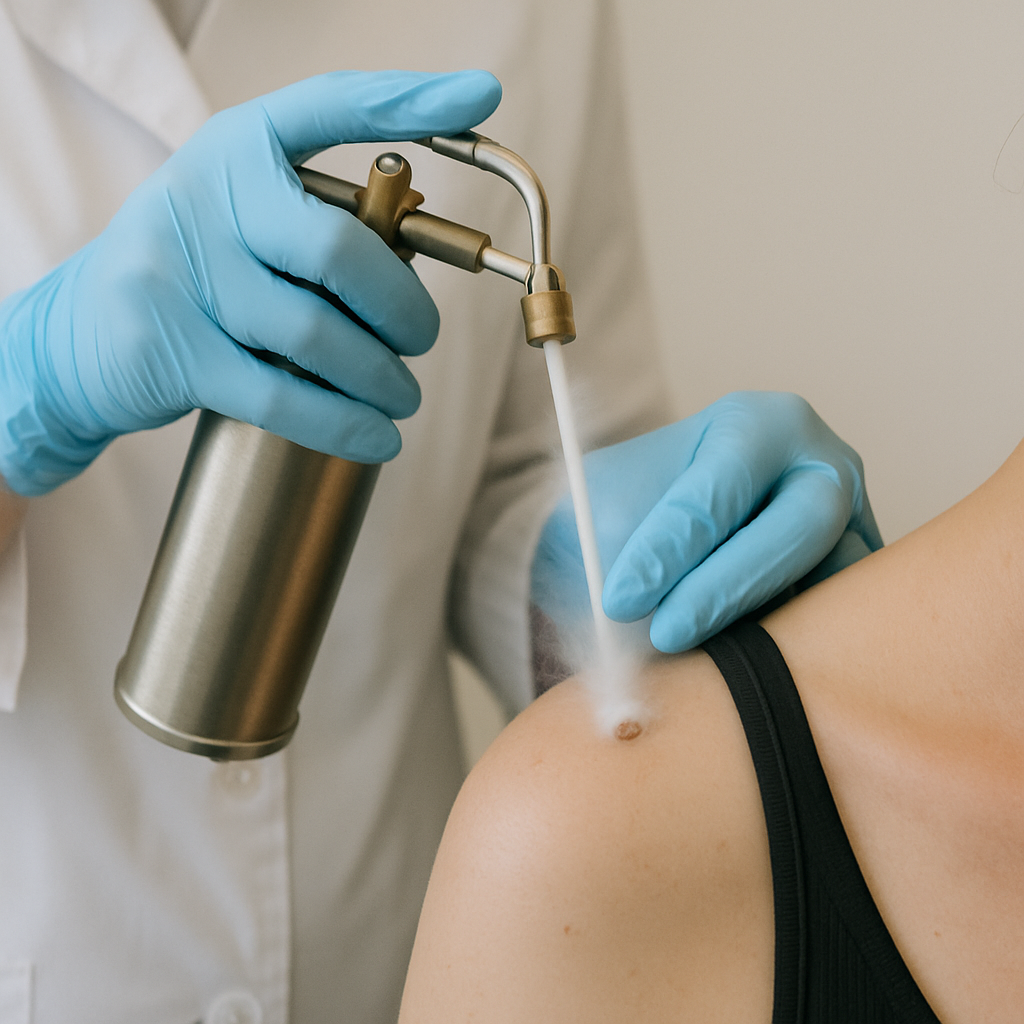
In the medical field, liquid nitrogen is widely used for cryotherapy, a treatment method that uses extreme cold to destroy abnormal tissue. Dermatologists use liquid nitrogen to remove warts, moles, and skin tags. The cold temperature causes the targeted tissue to freeze and fall off, promoting the growth of healthy skin.
Cryotherapy is not limited to dermatology; it is also used in other areas of medicine. For instance, it is employed in the treatment of certain cancers by freezing and destroying cancerous cells. This minimally invasive approach reduces recovery time and is less painful compared to traditional surgical methods. Moreover, cryotherapy is used in sports medicine for injury treatment, helping to reduce inflammation and pain.
Cryopreservation
Cryopreservation is another critical application in medicine. Liquid nitrogen is used to preserve biological samples, such as blood, sperm, eggs, and embryos, for future use. By freezing these samples at extremely low temperatures, biological activity is halted, allowing for long-term storage without degradation. This process is essential in fertility treatments and medical research.
In the realm of biomedical research, cryopreservation is invaluable. It allows researchers to store cell lines, tissues, and other biological materials for extended periods, ensuring a steady supply for experiments. Additionally, in the field of regenerative medicine, cryopreservation is crucial for storing stem cells, which hold the potential for treating a range of diseases and injuries.
Liquid Nitrogen in Electronics
Semiconductor Manufacturing
 by Anastasia P (https://unsplash.com/@ananoelleppp)
In the electronics industry, liquid nitrogen plays a crucial role in semiconductor manufacturing. It is used to cool semiconductor wafers during the fabrication process. The low temperature prevents overheating, which can damage the delicate components. By maintaining an optimal temperature, liquid nitrogen ensures the efficient production of high-quality semiconductors.
The use of liquid nitrogen in semiconductor manufacturing not only enhances the quality of the final product but also improves manufacturing efficiency. By reducing thermal stress and preventing defects, it supports the production of smaller and more powerful electronic devices. This cooling technology is essential for meeting the increasing demands of the tech industry for faster and more reliable components.
Superconductivity Research
Liquid nitrogen is also used in superconductivity research, which involves studying materials that can conduct electricity without resistance at extremely low temperatures. By cooling materials with liquid nitrogen, scientists can explore new possibilities in energy transmission, magnetic levitation, and more.
Superconductivity has the potential to revolutionize energy systems by enabling the development of lossless power transmission lines and highly efficient magnetic storage systems. Liquid nitrogen serves as an accessible and cost-effective coolant for initial experiments, paving the way for breakthroughs in energy-efficient technologies. Furthermore, its role in cooling superconducting magnets is vital for advancements in medical imaging and particle physics research.
Safety Considerations When Using Liquid Nitrogen
Despite its numerous applications, handling liquid nitrogen requires caution due to its extreme cold. Here are some key safety considerations:
- Personal Protective Equipment (PPE): Always wear protective gear, such as gloves and goggles, to prevent skin and eye contact.
- Ventilation: Use liquid nitrogen in well-ventilated areas to prevent the accumulation of nitrogen gas, which can displace oxygen and pose an asphyxiation risk.
- Handling and Storage: Use appropriate containers designed for cryogenic substances to prevent pressure buildup and potential explosions.
- Training: Ensure that anyone handling liquid nitrogen is properly trained in its use and understands the associated risks.
Safety in handling liquid nitrogen extends beyond personal protection. It involves adhering to protocols for its transport and storage to avoid accidental spills and exposure. In industrial settings, regular safety audits and drills can help reinforce these protocols. Moreover, understanding the physical properties of liquid nitrogen, such as its rapid expansion when warmed, is crucial to mitigating risks in both laboratory and commercial environments.
Conclusion
Liquid nitrogen is a versatile and powerful tool with applications spanning the food, medicine, and electronics industries. Its ability to rapidly freeze, preserve, and cool makes it invaluable for culinary innovations, medical treatments, and technological advancements. However, it’s crucial to handle liquid nitrogen with care, adhering to safety protocols to prevent accidents.
Understanding the diverse uses and safety measures associated with liquid nitrogen can help industries leverage its potential while minimizing risks. As technology and science continue to evolve, the applications of liquid nitrogen are likely to expand, offering even more innovative solutions across various fields. This ongoing exploration promises not only to enhance existing technologies but also to open up new frontiers in scientific research and industrial applications.