In the fast-paced world of scientific research and industrial applications, efficiency and reliability are paramount. One essential tool that has gained traction in laboratories across the globe is the lab nitrogen generator. But what exactly is a nitrogen generator, and why should your lab consider using one? This article will delve into the various benefits of using a lab nitrogen generator, highlighting how it can transform your laboratory processes.
A lab nitrogen generator is a piece of equipment designed to produce nitrogen gas on-site from ambient air. By using processes like Pressure Swing Adsorption (PSA) or membrane filtration, these generators separate nitrogen molecules from the air, delivering a steady and reliable supply of high-purity nitrogen gas.
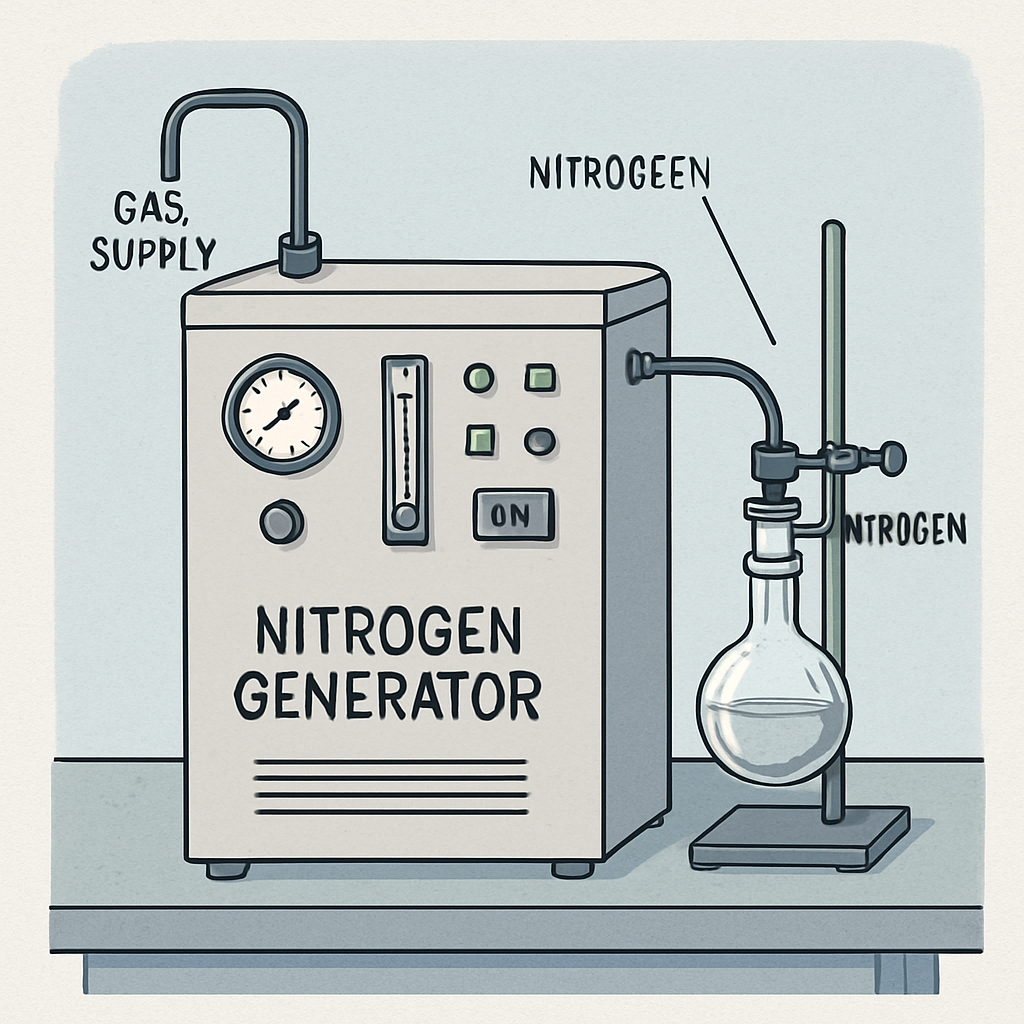
The Advantages of On-Site Nitrogen Production
Cost Savings
One of the most significant benefits of using a lab nitrogen generator is the reduction in costs. Traditional methods of nitrogen supply, such as gas cylinders or liquid nitrogen tanks, can be expensive. These methods involve ongoing costs related to delivery, storage, and rental fees. In contrast, a nitrogen generator allows labs to produce nitrogen as needed, eliminating these recurring expenses.
Continuous Supply
With a lab nitrogen generator, you have an uninterrupted supply of nitrogen gas. This continuous production ensures that your lab operations run smoothly without the risk of delays due to cylinder changeovers or delivery schedules. The convenience of having an on-demand nitrogen source cannot be overstated, especially in research settings where time is of the essence.
Enhanced Safety
Handling and storing high-pressure gas cylinders or liquid nitrogen tanks come with inherent risks. Cylinders can be heavy and cumbersome to move, posing potential hazards to lab personnel. Additionally, there is always a risk of leaks or accidental exposure to liquid nitrogen, which can be dangerous.
A lab nitrogen generator minimizes these risks by producing nitrogen gas at low pressures, significantly reducing the potential for accidents. This improvement in safety protocols not only protects lab personnel but also enhances overall lab safety standards.

Environmental Benefits
Reduced Carbon Footprint
By producing nitrogen on-site, labs can significantly decrease their carbon footprint. The transportation and delivery of nitrogen cylinders contribute to greenhouse gas emissions. A nitrogen generator eliminates the need for these deliveries, thereby supporting eco-friendly lab practices.
Energy Efficiency
Modern nitrogen generators are designed with energy efficiency in mind. They consume less energy compared to the energy required to produce, transport, and store nitrogen in traditional methods. This efficiency translates to lower operational costs and a more sustainable approach to lab operations.
Improved Quality Control
When using a nitrogen generator, labs can have greater control over the purity and flow of nitrogen gas. This control is crucial for experiments and applications that require specific gas quality standards. With a nitrogen generator, you can adjust the settings to meet these requirements, ensuring consistent and reliable results every time.
Customizable Output
Nitrogen generators offer customizable output levels to meet the specific needs of different lab applications. Whether you require high-purity nitrogen for sensitive instruments or a higher flow rate for larger-scale operations, a nitrogen generator can be adjusted accordingly. This flexibility is invaluable for labs with diverse applications and changing requirements.
Applications of Lab Nitrogen Generators
Chromatography
In chromatography, the use of high-purity nitrogen gas is vital for ensuring accurate and reproducible results. Lab nitrogen generators provide the necessary purity levels to support various types of chromatography, including gas chromatography (GC) and liquid chromatography-mass spectrometry (LC-MS).
Food and Beverage Industry
Nitrogen gas is widely used in the food and beverage industry to preserve freshness and extend shelf life. By using a lab nitrogen generator, food scientists can produce nitrogen on demand, optimizing packaging and storage processes for various food products.
Pharmaceutical and Chemical Industries
In the pharmaceutical and chemical industries, nitrogen gas is employed to create inert atmospheres, preventing unwanted reactions during manufacturing and storage. Nitrogen generators offer a reliable and cost-effective solution to meet the stringent purity requirements of these industries.
 by Ousa Chea (https://unsplash.com/@cheaousa)
Economic Considerations
Return on Investment
While the initial investment in a lab nitrogen generator may seem significant, the long-term savings and operational efficiencies gained can quickly offset these costs. By eliminating the need for cylinder rentals and deliveries, labs can achieve a rapid return on investment.
Low Maintenance Costs
Nitrogen generators are designed for durability and require minimal maintenance. Regular checks and occasional filter replacements are usually all that is needed to keep the generator running smoothly, further reducing operational expenses.
Conclusion
Switching to a lab nitrogen generator offers numerous benefits, from cost savings and enhanced safety to environmental sustainability and improved quality control. Whether you’re in a research lab, food production facility, or pharmaceutical manufacturing, the advantages of on-site nitrogen generation are clear.
By investing in a nitrogen generator, labs can streamline their operations, ensure consistent nitrogen supply, and contribute to a safer and more sustainable future. Consider making the switch today and experience the transformative impact of a lab nitrogen generator in your facility.
Shenzhen Yuhan Electronic Technology Co., Ltd. and Suzhou Hongjinli Gas Equipment Co., Ltd. specialize in PSA nitrogen generators, oxygen generators, nitrogen purification systems, and gas equipment solutions. Our expertise spans industries including SMT manufacturing, semiconductor packaging, optoelectronics, and food and pharmaceutical storage.