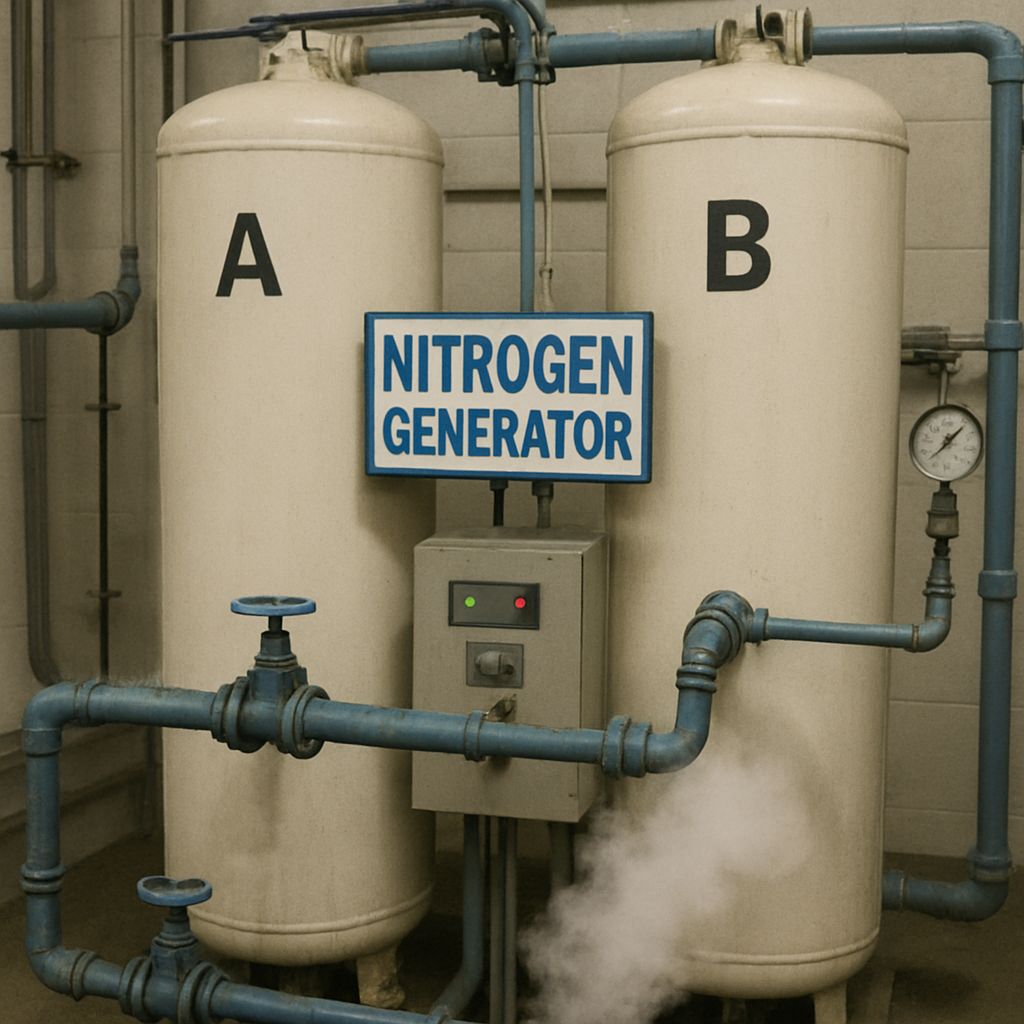
The modern industrial landscape often requires continuous and reliable sources of nitrogen. As a result, nitrogen generators have become essential in various sectors, including food processing, electronics manufacturing, and chemical production. A common question that arises is whether a nitrogen generator can operate 24/7 and, if so, what maintenance practices ensure its longevity and efficiency. In this article, we will explore this topic, highlighting maintenance best practices, the associated costs, and essential tips to extend the lifespan of your nitrogen generator.
Understanding Nitrogen Generators
What is a Nitrogen Generator?
A nitrogen generator is a device that separates nitrogen from the atmospheric air, providing a continuous supply of nitrogen gas. This technology has revolutionized many industries by offering a cost-effective and efficient alternative to traditional nitrogen gas supply methods, such as cylinders or liquid nitrogen deliveries.
How Does a Nitrogen Generator Work?
Nitrogen generators typically utilize either Pressure Swing Adsorption (PSA) or Membrane Separation technology.
- PSA Technology: This method uses carbon molecular sieves to adsorb oxygen and other trace gases, allowing nitrogen to pass through.
- Membrane Separation: This technique uses polymeric membranes that allow nitrogen to pass while restricting oxygen and other gases.
Both methods are designed to provide high-purity nitrogen, essential for various industrial applications.
Can a Nitrogen Generator Run 24/7?
The short answer is yes. Nitrogen generators are engineered to operate continuously, meeting the demands of industries that require a constant nitrogen supply. However, to ensure uninterrupted operation, regular maintenance is crucial.
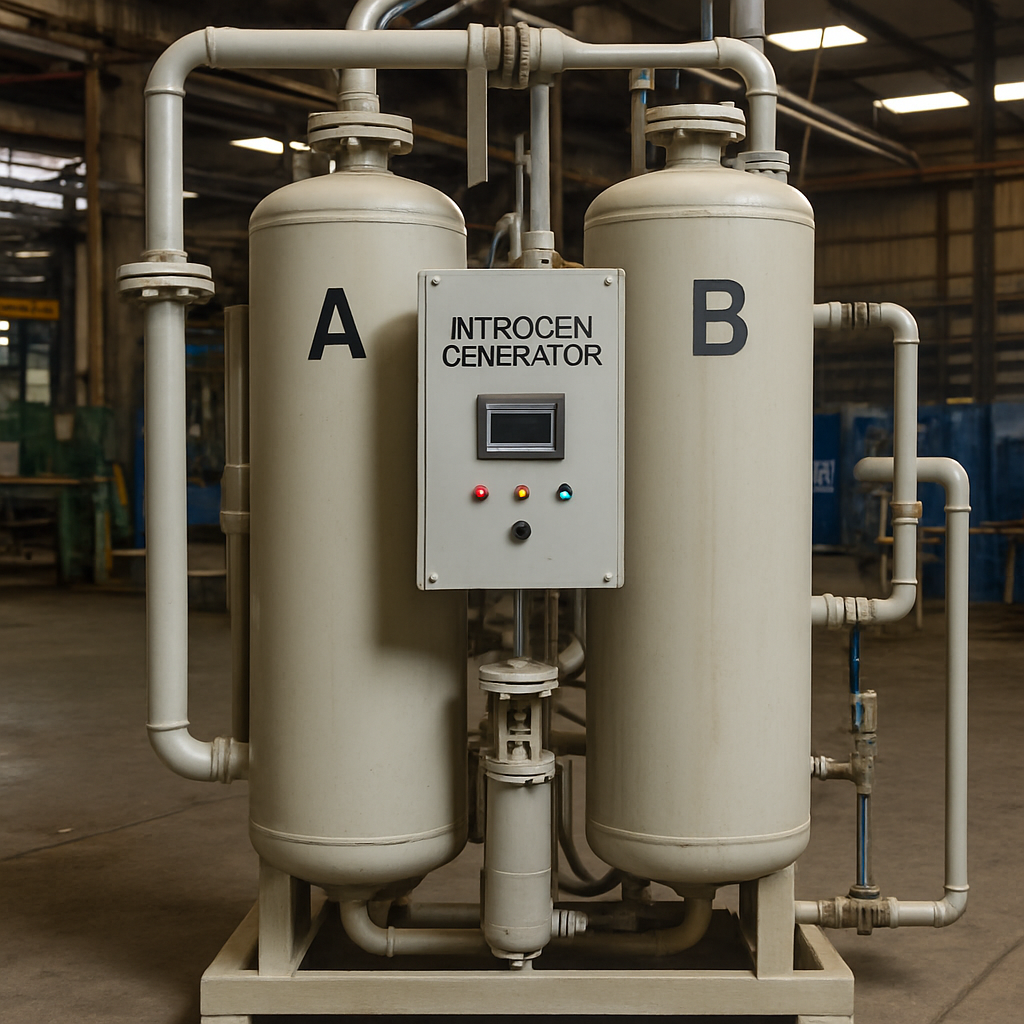
Maintenance Best Practices
Routine Inspections
Routine inspections are the cornerstone of effective nitrogen generator maintenance. Regular checks can identify potential issues before they escalate into costly repairs or downtime. Inspections should include:
- Checking Pressure Levels: Ensure that the system maintains the correct pressure levels, as fluctuations can indicate a problem.
- Monitoring Purity Levels: Regularly test the nitrogen purity to ensure it meets the required standards for your applications.
- Inspecting Filters and Sieves: Filters and sieves can become clogged or worn over time, affecting performance. Replace them as needed.
Scheduled Servicing
Scheduled servicing by a qualified technician can prevent unexpected breakdowns. During servicing, technicians will:
- Replace Worn Parts: Components such as valves and seals may need replacement after prolonged use.
- Calibrate Sensors: Ensure that all sensors are correctly calibrated for accurate readings.
- Lubricate Moving Parts: Proper lubrication reduces wear and tear on mechanical components.
Regular Cleaning
Dust and debris can accumulate in and around the generator, potentially affecting its efficiency. Regular cleaning can prevent this:
- Clean Air Intakes: Ensure that air intakes are free from obstructions and clean to allow optimal airflow.
- Wipe Down Surfaces: Keep the generator’s exterior clean to prevent dust from entering the system.
Nitrogen Generator Maintenance Cost
The cost of maintaining a nitrogen generator can vary depending on the model, usage, and specific maintenance needs. However, investing in regular maintenance can significantly reduce the risk of expensive repairs or replacements in the future.
Factors Influencing Maintenance Costs
- Type of Generator: PSA systems may have different maintenance needs compared to membrane systems.
- Usage Intensity: Heavily used generators may require more frequent maintenance.
- Environmental Conditions: Generators in harsh environments may need additional care.
Cost-Saving Tips
- Implement a Maintenance Schedule: A structured maintenance plan can prevent unexpected expenses.
- Invest in Quality Parts: Using high-quality replacement parts can extend the life of your generator and reduce long-term costs.
Extending the Lifespan of Your Nitrogen Generator
Optimal Operating Conditions
Maintain your generator in an environment that supports optimal operation:
- Controlled Temperature: Ensure the generator is kept in a climate-controlled environment to prevent overheating.
- Adequate Ventilation: Proper ventilation prevents heat buildup and maintains efficiency.
Training and Education
Educate your team on the proper use and maintenance of the nitrogen generator:
- User Training: Provide comprehensive training for all operators to ensure correct usage and handling.
- Maintenance Workshops: Regular workshops can keep your team updated on the latest maintenance techniques and practices.
 by TECNIC Bioprocess Solutions (https://unsplash.com/@tecnic)
Partner with Professionals
Partnering with a professional maintenance service can provide peace of mind and ensure your generator receives expert care:
- Regular Maintenance Contracts: Consider signing a maintenance contract with a reputable service provider.
- Emergency Support: Ensure access to emergency support services to address any urgent issues.
Conclusion
A nitrogen generator is a valuable asset for any industry requiring a consistent nitrogen supply. By following maintenance best practices and understanding the associated costs, you can ensure your generator operates efficiently and has a long lifespan. With the right approach, your nitrogen generator can successfully run 24/7, supporting your industrial needs reliably and effectively.