laboratories are under constant pressure to reduce costs and improve efficiency. One innovative solution that has proven beneficial for many labs is the adoption of on-site nitrogen generation. This case study explores the significant cost savings and operational benefits realized by a laboratory that switched from traditional nitrogen supply methods to an on-site nitrogen generator.
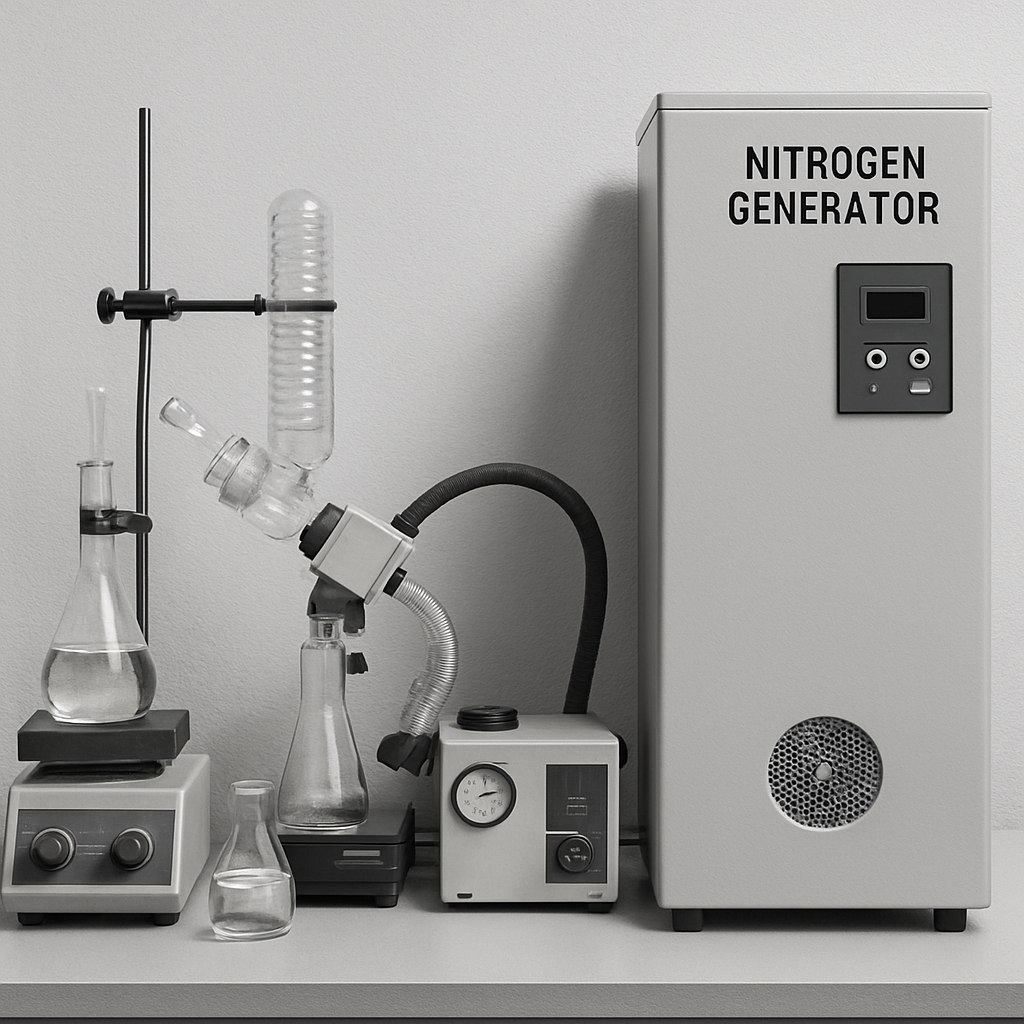
Understanding On-Site Nitrogen Generation
Before diving into the specific case study, let’s first understand what on-site nitrogen generation entails. Traditionally, laboratories relied on the delivery of nitrogen gas in high-pressure cylinders or liquid nitrogen tanks. While effective, these methods often involve high costs and logistical challenges.
On-site nitrogen generation, on the other hand, allows laboratories to produce their own nitrogen gas using a nitrogen generator. These systems typically use either pressure swing adsorption (PSA) or membrane technology to separate nitrogen from the air, providing a continuous supply of high-purity nitrogen on demand.
Benefits of On-Site Nitrogen Generators
- Cost Savings: By eliminating the need for cylinder deliveries, labs can significantly reduce their nitrogen supply costs. This includes not only the cost of the gas itself but also the transportation and handling fees associated with cylinder deliveries.
- Continuous Supply: On-site generation ensures a constant supply of nitrogen, eliminating the risk of running out of gas during critical experiments or processes.
- Safety and Convenience: Handling high-pressure cylinders can be hazardous. On-site generation minimizes these risks and provides a more convenient and safer alternative.
- Environmental Impact: Producing nitrogen on-site reduces the carbon footprint associated with the transportation of gas cylinders.
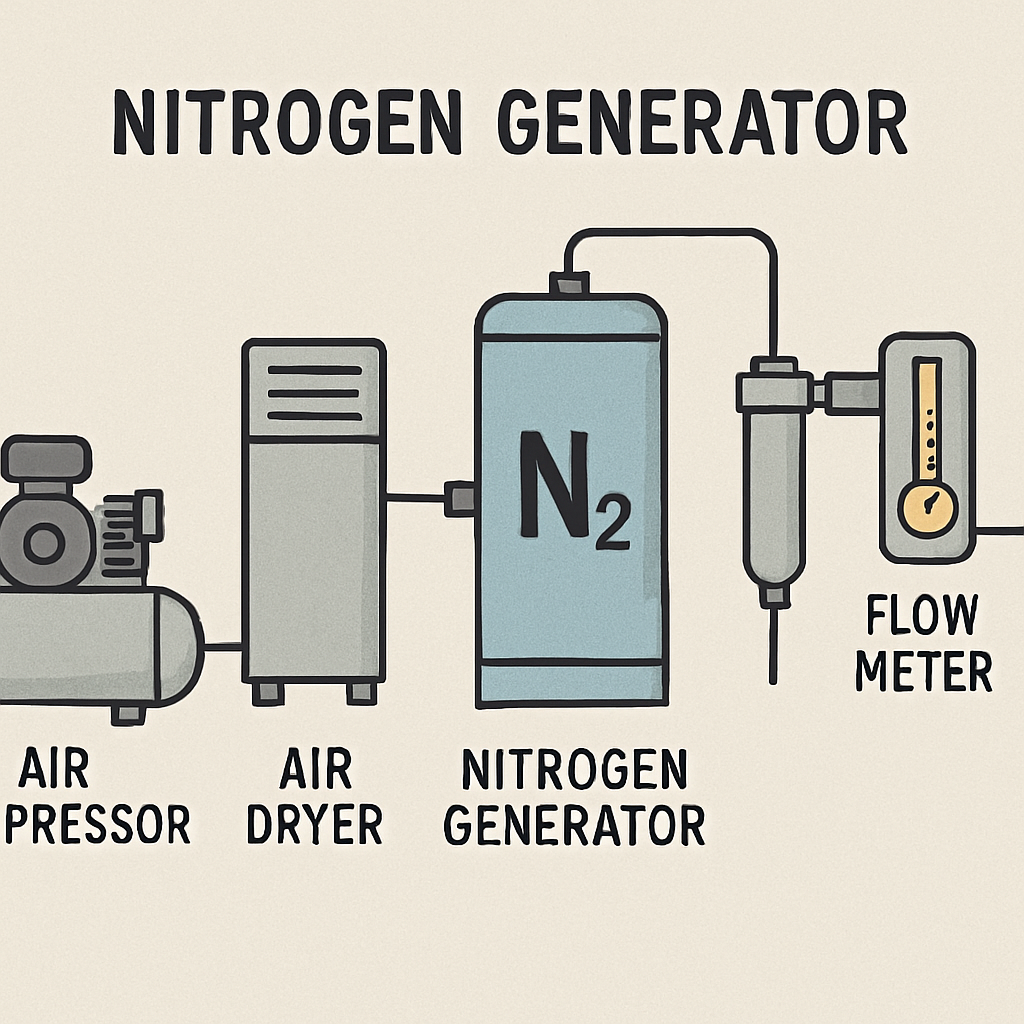
Case Study: A Laboratory’s Transition to On-Site Nitrogen Generation
Background
The laboratory in question, a mid-sized research facility, was spending a considerable portion of its budget on nitrogen gas supplied in cylinders. With a growing need for nitrogen in various applications, from chemical reactions to preserving samples, the costs and logistical challenges were mounting.
The Decision to Switch
Faced with these challenges, the laboratory management decided to explore on-site nitrogen generation as a cost-effective solution. After evaluating several options, they chose a nitrogen generator that matched their purity requirements and output needs.
Implementation
The transition to on-site nitrogen generation was straightforward. The laboratory’s existing infrastructure required minimal modifications, and the nitrogen generator was installed and operational within a week. The system was set up to produce nitrogen with a purity level of 99.99%, suitable for the lab’s various applications.
Results
- Cost Reduction: Within the first year, the laboratory reported a 40% reduction in nitrogen supply costs. The savings were attributed to the elimination of cylinder rental fees, delivery charges, and administrative costs associated with managing cylinder inventories.
- Increased Efficiency: With a constant supply of nitrogen, the laboratory experienced fewer interruptions in their workflows. This improved efficiency allowed researchers to focus more on their work rather than logistical concerns.
- Enhanced Safety: The reduction in cylinder handling decreased the risk of accidents, contributing to a safer working environment.
- Positive Environmental Impact: The laboratory reduced its carbon emissions by cutting down on the transportation of gas cylinders.
 by CDC (https://unsplash.com/@cdc)
Considerations for Implementing On-Site Nitrogen Generation
While the benefits are clear, there are a few considerations laboratories should keep in mind when transitioning to on-site nitrogen generation:
Initial Investment
Although there is an upfront cost associated with purchasing and installing a nitrogen generator, many labs find that the long-term savings quickly offset this initial investment. It’s important to conduct a thorough cost-benefit analysis to understand the payback period.
Maintenance Requirements
On-site nitrogen generators require regular maintenance to ensure optimal performance. This includes routine checks and filter replacements. Most manufacturers provide detailed maintenance schedules and support to ease this process.
Space and Infrastructure
Labs need to assess their available space and infrastructure before installing a nitrogen generator. While these systems are generally compact, ensuring proper ventilation and access to power and compressed air is crucial.
Conclusion
The case study of this laboratory highlights the tangible benefits of switching to on-site nitrogen generation. By leveraging a nitrogen generator, labs can achieve significant cost savings, enhance operational efficiency, and contribute to a safer and more sustainable working environment.
As more laboratories face budget constraints and sustainability goals, on-site nitrogen generation presents a compelling solution. For those considering this transition, the key is to thoroughly assess your lab’s specific needs and work with reputable suppliers to ensure a seamless implementation.
In summary, on-site nitrogen generation not only brings financial benefits but also supports a lab’s overall mission to conduct research safely and efficiently. As demonstrated by this case study, the move to on-site nitrogen generation is a wise investment for the future of laboratory operations.