If you’re in the market for a small nitrogen generator, you might be wondering how to select the right one for your needs. With various options available, understanding what to look for can make your decision much easier. In this guide, we’ll break down the key factors to consider when choosing a small nitrogen generator, ensuring you select the best fit for your operation.
Understanding Nitrogen Generators
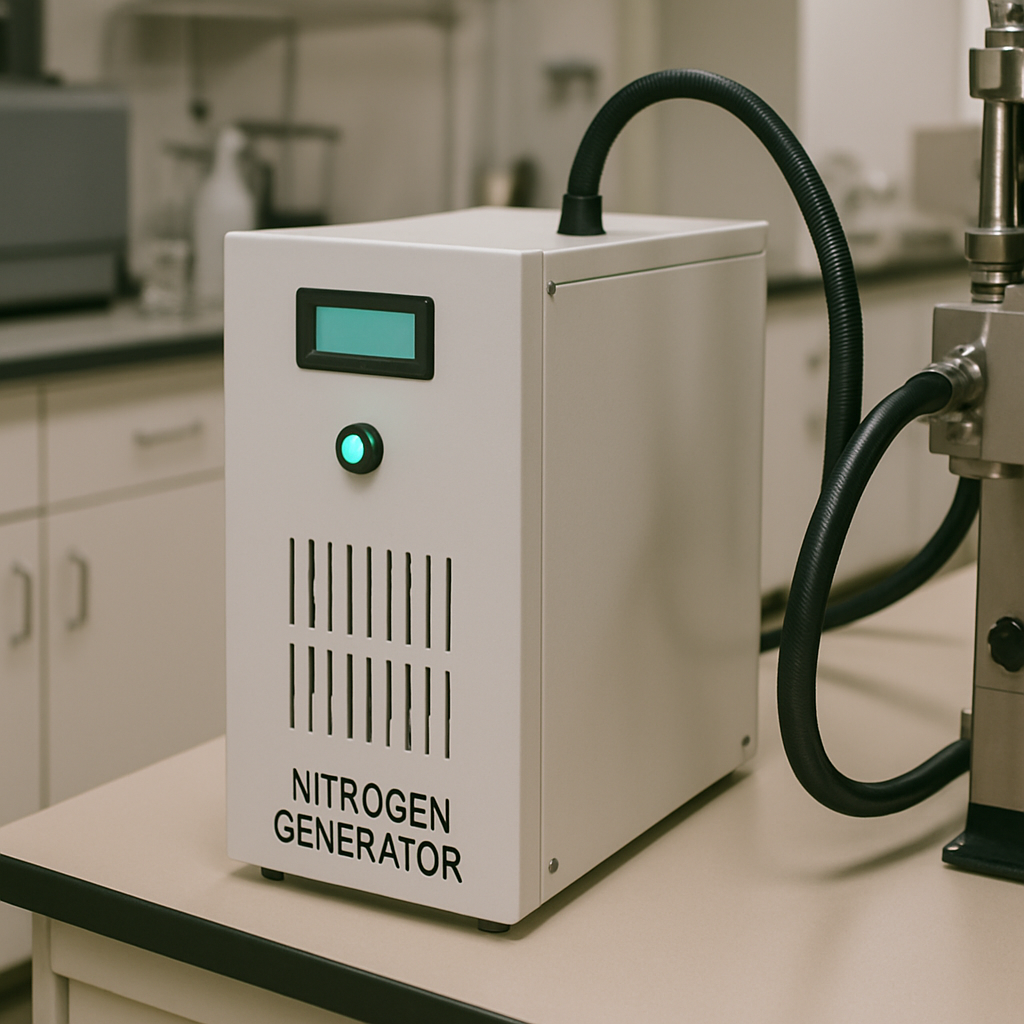
Before diving into specifics, it’s essential to grasp what a nitrogen generator does. Simply put, a nitrogen generator is a device that separates nitrogen from other gases in the air. This process provides a continuous supply of nitrogen, which is critical for various industrial applications. Unlike traditional methods that rely on nitrogen tanks, a nitrogen generator offers a more sustainable and cost-effective solution.
Types of Nitrogen Generators
There are primarily two types of nitrogen generators: membrane and pressure swing adsorption (PSA). Understanding the differences between these types can help you decide which one is more suitable for your needs.
Membrane Nitrogen Generators
Membrane nitrogen generators use a series of hollow fibers to separate nitrogen from compressed air. This type is generally more compact and easier to maintain. They are often used in applications where high purity is not a primary concern.
Pressure Swing Adsorption (PSA) Nitrogen Generators
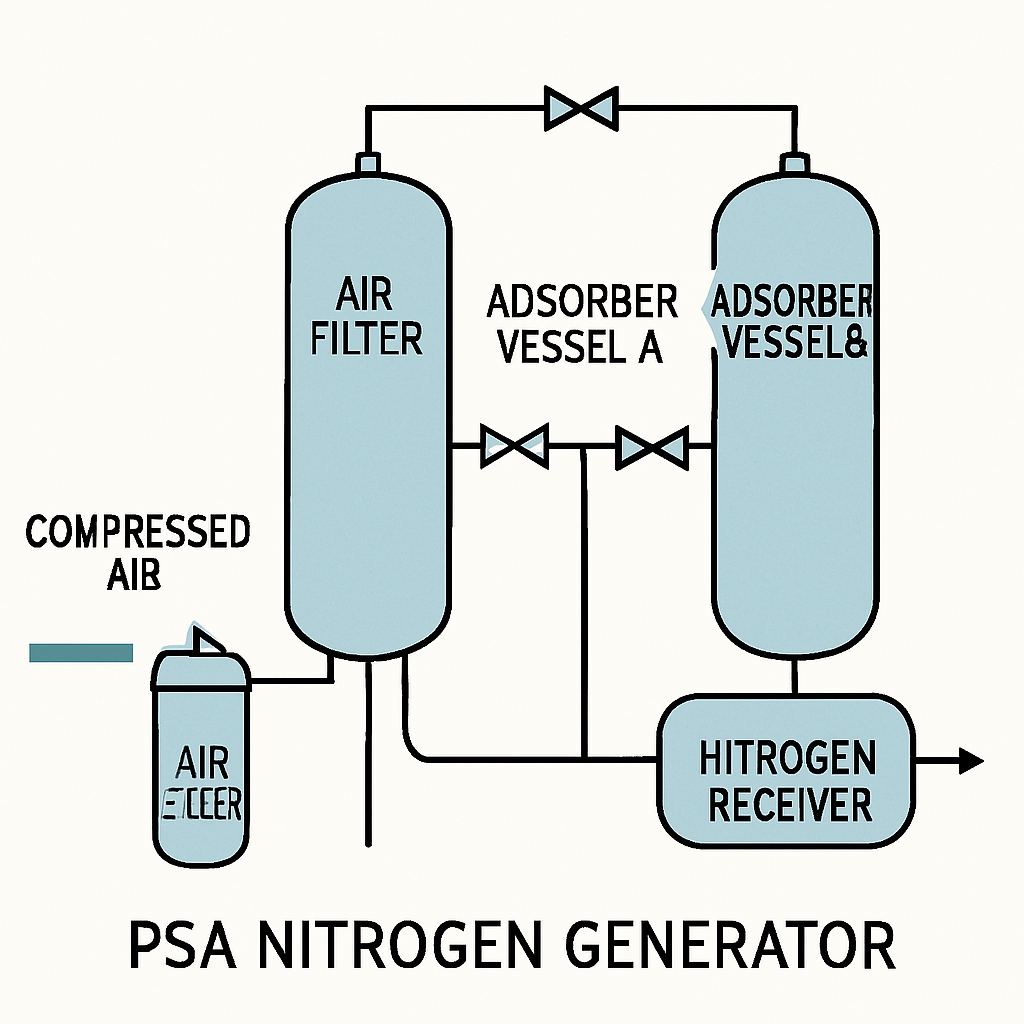
PSA nitrogen generators, on the other hand, use a process that involves adsorbing oxygen and other gases onto a material known as a molecular sieve. This method can achieve higher purity levels, making it suitable for applications where high-purity nitrogen is necessary.
Key Factors to Consider
When selecting a small nitrogen generator, there are several factors you should consider. Each of these plays a crucial role in ensuring that the generator meets your specific requirements.
Purity Levels
One of the most critical factors is the purity level of the nitrogen. Different applications require different levels of nitrogen purity. For instance, food packaging might require lower purity, while pharmaceutical applications could demand higher levels. Make sure to identify the purity requirement for your specific use to select the appropriate generator.
Flow Rate
The flow rate, measured in liters per minute (LPM) or cubic feet per hour (CFH), indicates how much nitrogen a generator can produce within a given time. Depending on your operational needs, you might need a generator with a higher or lower flow rate. Assess your peak demand to ensure the generator can supply enough nitrogen without running continuously at maximum capacity.
Size and Footprint
The physical size of the generator and its footprint is another important consideration. Ensure that the generator fits within the available space in your facility. Compact designs are available if space is limited, but always balance size with performance to avoid compromising on critical features.
Maintenance and Operating Costs
Running a nitrogen generator involves both initial and ongoing costs. Evaluate the maintenance requirements and the cost of consumables, like filters, to understand the long-term financial commitment. Some models might have a higher upfront cost but lower ongoing expenses, which can be beneficial over time.
Benefits of Small Nitrogen Generators
Choosing a small nitrogen generator offers several advantages over traditional methods of nitrogen supply.
Cost Efficiency
A nitrogen generator can significantly reduce costs associated with purchasing and transporting nitrogen cylinders. It eliminates rental fees and delivery charges, providing a more predictable and manageable expense.
Continuous Supply
With a nitrogen generator, you are assured of a continuous supply of nitrogen. This reliability is crucial for operations where interruptions can lead to significant downtime or product loss.
Environmental Impact
Generators produce nitrogen on-demand, reducing the need for transportation and storage of gas cylinders. This shift not only lowers your carbon footprint but also enhances workplace safety by minimizing the risk of handling high-pressure cylinders.
 by Alexey Demidov (https://unsplash.com/@alexeydemidov)
Common Applications
Small nitrogen generators are versatile and used across various industries. Here are a few examples:
Food and Beverage
In the food and beverage industry, nitrogen is often used to preserve freshness and extend shelf life. It’s particularly useful in packaging processes where it replaces oxygen to prevent spoilage.
Electronics Manufacturing
Nitrogen is essential in electronics manufacturing for creating an inert atmosphere, which helps in soldering processes and prevents oxidation.
Pharmaceuticals
The pharmaceutical industry uses nitrogen to maintain a sterile environment during the production of medicines. High-purity nitrogen ensures that the final products meet stringent safety and quality standards.
Making the Decision
Selecting the right small nitrogen generator requires careful consideration of your specific needs and operational constraints. By focusing on factors such as purity, flow rate, and cost, you can find a solution that enhances efficiency and supports your production goals.
Remember, investing in a nitrogen generator is not just about meeting current demands but also about preparing for future growth. Choose a model that can scale with your business, providing you with flexibility and peace of mind.
In conclusion, a small nitrogen generator can be a valuable addition to your operation, offering cost savings, reliability, and environmental benefits. With the right information and careful planning, you can make a choice that will serve your needs for years to come.
Shenzhen Yuhan Electronic Technology Co., Ltd. and Suzhou Hongjinli Gas Equipment Co., Ltd. specialize in PSA nitrogen generators, oxygen generators, nitrogen purification systems, and gas equipment solutions. Our expertise spans industries including SMT manufacturing, semiconductor packaging, optoelectronics, and food and pharmaceutical storage.