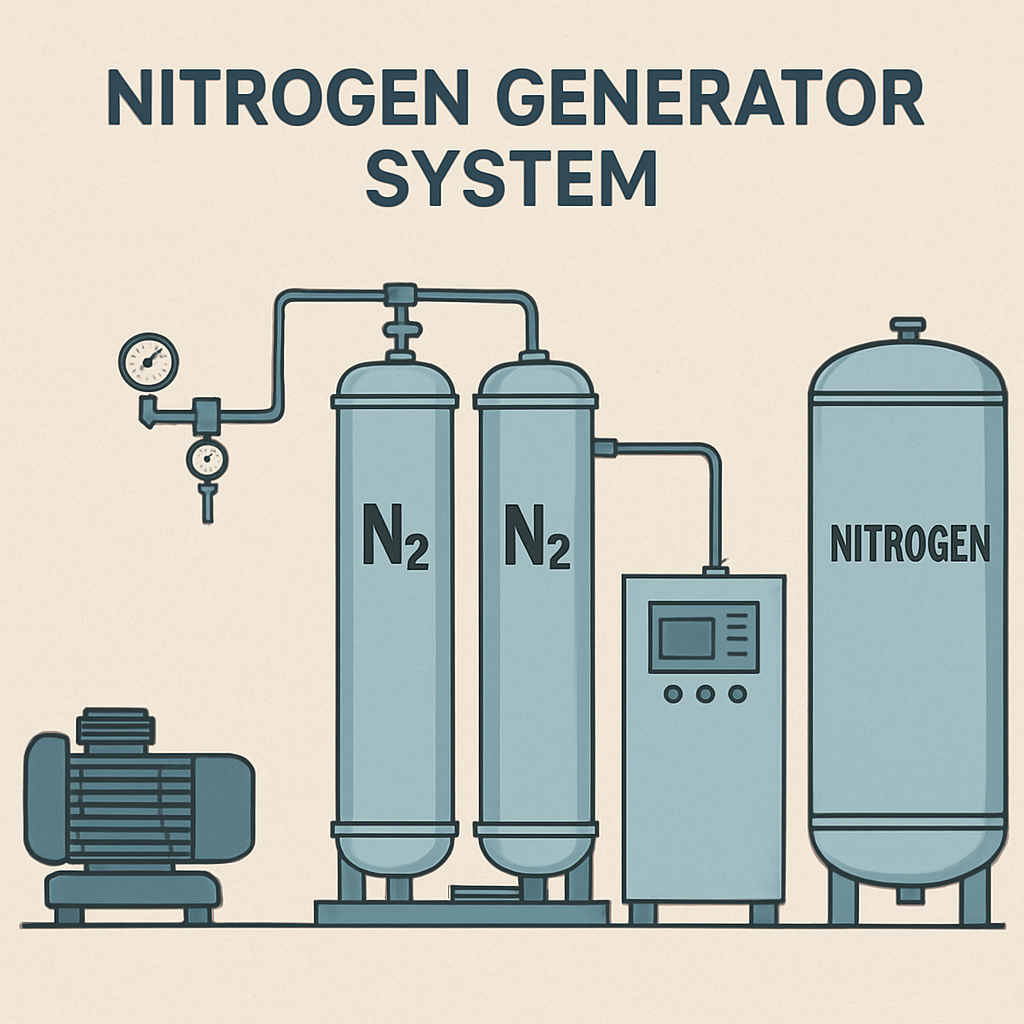
Nitrogen generators are essential in various industries, providing a reliable and efficient supply of nitrogen gas for numerous applications. One of the most popular types, the Pressure Swing Adsorption (PSA) nitrogen generator, is favored for its ability to produce high-purity nitrogen on-demand. However, like any industrial equipment, PSA nitrogen generators can encounter problems that affect their performance. In this article, we’ll explore some common issues with PSA nitrogen generators and provide practical solutions to keep them running smoothly.
Understanding PSA Nitrogen Generators
Before diving into potential problems, it’s important to understand how PSA nitrogen generators work. These systems separate nitrogen from compressed air using a process called pressure swing adsorption. The generator contains adsorbent materials that selectively trap oxygen and other gases, allowing nitrogen to pass through as the product gas.
PSA nitrogen generators are valued for their energy efficiency and the ability to produce nitrogen with purities of up to 99.999%. However, certain issues can arise, impacting their efficiency and effectiveness.
Common PSA Nitrogen Generator Problems
1. Pressure Drop
A significant pressure drop in your PSA nitrogen generator can lead to reduced nitrogen output and efficiency. This issue is often caused by clogged filters or piping obstructions.
Solution
Regular maintenance is key to preventing pressure drops. Ensure that filters are cleaned and replaced according to the manufacturer’s schedule. Additionally, check for any blockages in the piping and remove them promptly to restore optimal pressure levels.
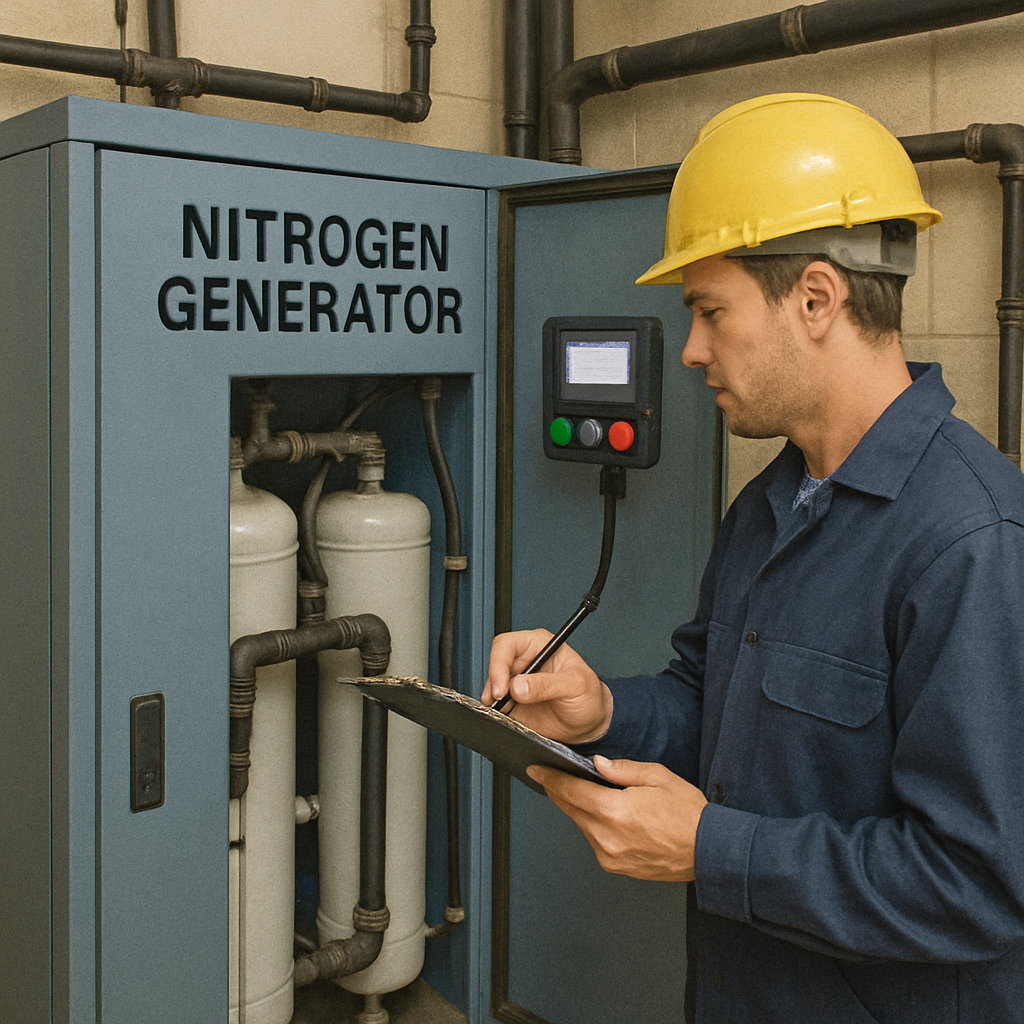
2. Adsorbent Material Degradation
The adsorbent material within a PSA nitrogen generator can degrade over time, reducing the generator’s ability to separate nitrogen effectively. This degradation can result from exposure to contaminants or excessive moisture.
Solution
To combat adsorbent degradation, it’s crucial to keep the incoming air clean and dry. Installing pre-filters and air dryers can help remove contaminants and moisture before they reach the adsorbent material. Regularly inspect and replace adsorbent beds as needed to maintain performance.
3. Increased Purity Requirements
Sometimes, the purity of the nitrogen produced may not meet the specific needs of an application. This issue can arise due to changes in production requirements or improper calibration of the generator.
Solution
Re-calibrating the PSA nitrogen generator can often resolve purity issues. Consult the manufacturer’s guidelines or seek professional assistance to adjust the system’s settings. If higher purity is required, consider upgrading to a model capable of delivering the desired nitrogen quality.
Routine Maintenance for PSA Nitrogen Generators
Regular maintenance is crucial for keeping your PSA nitrogen generator in top condition. Here are some routine maintenance tasks to ensure optimal performance:
Filter Replacement
Filters play a vital role in preventing contaminants from entering the generator. Replace them as recommended by the manufacturer to avoid pressure drops and adsorbent degradation.
Adsorbent Bed Inspection
Periodically inspect the adsorbent beds for signs of wear or contamination. Replace them if necessary to maintain effective nitrogen separation.
 by National Cancer Institute (https://unsplash.com/@nci)
Leak Detection
Check for leaks in the system, as they can lead to reduced efficiency and increased operational costs. Use leak detection tools to identify and fix any leaks promptly.
Troubleshooting Tips
Despite regular maintenance, problems may still occur with your PSA nitrogen generator. Here are some troubleshooting tips to address common issues:
Low Nitrogen Flow
If the nitrogen flow is lower than expected, check for blockages in the piping or filters. Ensure that the compressor is providing adequate air supply and pressure.
Inconsistent Nitrogen Purity
Inconsistent nitrogen purity can result from adsorbent degradation or improper calibration. Inspect the adsorbent beds and re-calibrate the generator as needed.
High Energy Consumption
If the generator is consuming more energy than usual, inspect the system for leaks or inefficiencies. Regular maintenance and timely repairs can help reduce energy consumption.
Conclusion
PSA nitrogen generators are a reliable solution for producing high-purity nitrogen, but they require regular maintenance and troubleshooting to operate efficiently. By understanding common problems and implementing the solutions outlined in this article, you can ensure your nitrogen generator performs optimally, providing a consistent supply of nitrogen for your industrial needs. Regular maintenance, timely repairs, and proper calibration are essential to maximizing the lifespan and efficiency of your PSA nitrogen generator.