In the competitive world of food production, efficiency and cost-effectiveness are crucial. One way that food plants can achieve significant cost savings is by switching to on-site nitrogen generation. This process involves using a nitrogen gas generator to produce nitrogen directly at the facility, rather than relying on traditional delivery methods. In this article, we will explore the benefits of on-site nitrogen generation and how it can lead to substantial savings for food plants.
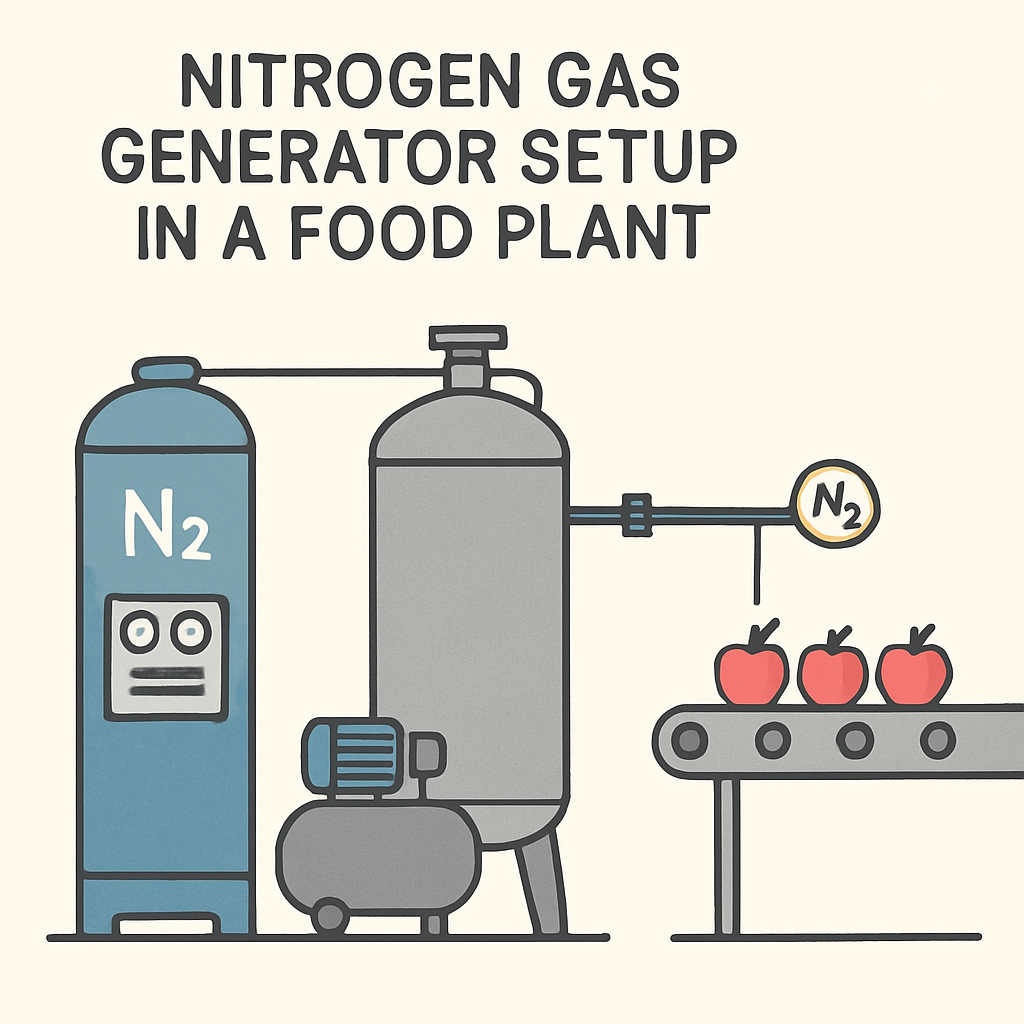
On-site gas generation refers to the production of gases like nitrogen directly at the locati0n where they are used. Instead of receiving regular deliveries of nitrogen tanks or cylinders, a food plant can produce its own nitrogen using specialized equipment. This method has several advantages, particularly in terms of cost and efficiency.
The Role of Nitrogen in Food Production
Nitrogen plays a vital role in food production. It is commonly used for packaging, preserving freshness, and preventing oxidation. Without nitrogen, many food products would have a shorter shelf life and reduced quality. Traditionally, food plants have relied on external suppliers to deliver nitrogen, but on-site generation offers a more sustainable and economical solution.
Financial Benefits of On-Site Nitrogen Generation
Switching to on-site nitrogen generation can lead to significant cost savings for food plants. Here are some of the key financial benefits:
Reduced Delivery Costs
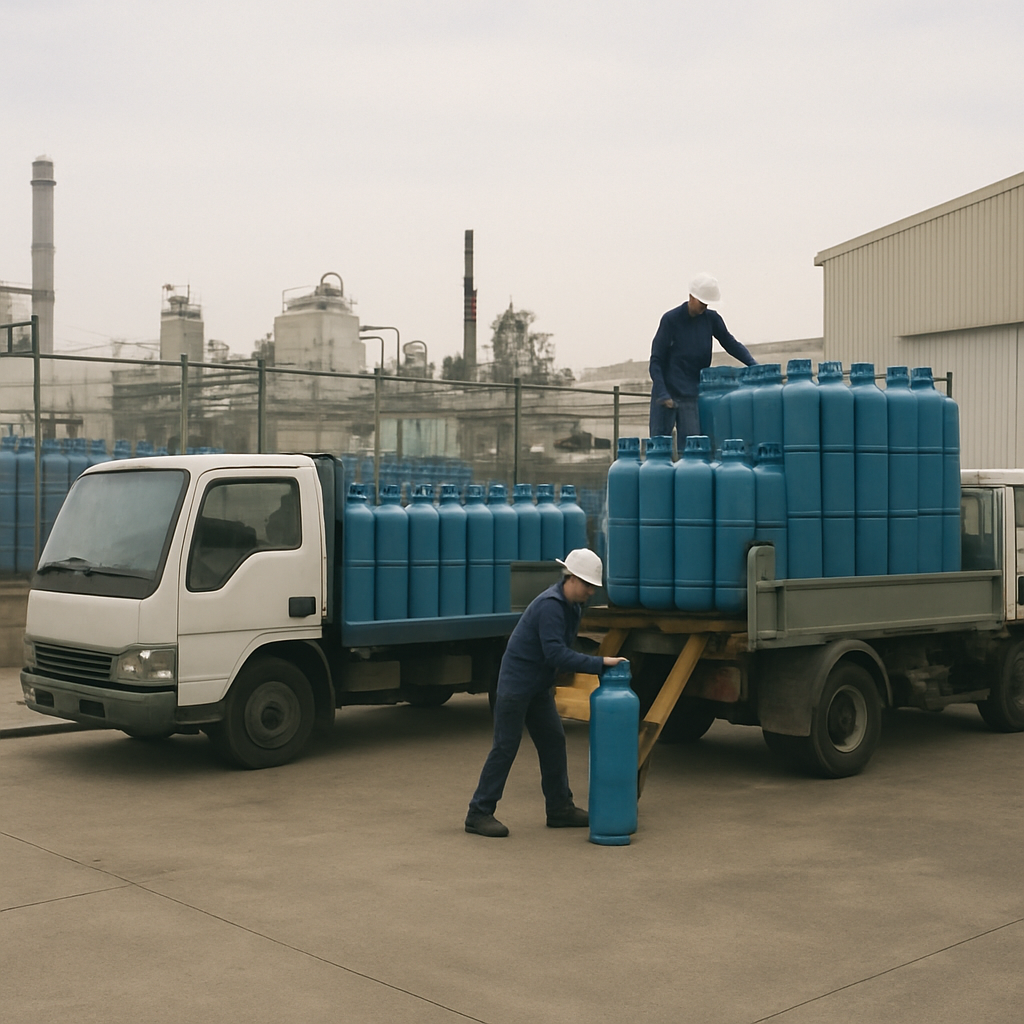
One of the most immediate savings comes from eliminating the need for nitrogen deliveries. Transporting gas cylinders can be expensive, especially for facilities located far from suppliers. By generating nitrogen on-site, food plants can cut out these delivery costs entirely.
Lower Storage and Handling Expenses
Traditional nitrogen delivery requires adequate storage space for gas cylinders, as well as equipment for handling and transferring the gas. On-site generation systems are typically more compact and require less storage space. This reduction in storage needs can result in lower operational expenses.
Stable and Predictable Pricing
When relying on external suppliers, food plants are subject to fluctuating gas prices. These price changes can make budgeting difficult. On-site nitrogen generation provides a more predictable cost structure, allowing for better financial planning and stability.
Operational Advantages
Beyond cost savings, on-site nitrogen generation offers several operational benefits that can enhance the efficiency of a food plant.
Continuous Supply of Nitrogen
Having a nitrogen gas generator on-site ensures a constant supply of nitrogen, reducing the risk of running out of gas during critical production times. This continuous availability supports uninterrupted operations and minimizes downtime.
Customizable Nitrogen Purity Levels
Different food production processes may require varying levels of nitrogen purity. On-site generators can be adjusted to produce nitrogen at the specific purity level required, ensuring optimal conditions for each process without needing multiple suppliers.
Enhanced Safety and Reduced Environmental Impact
Reducing the need for transportation and storage of high-pressure gas cylinders improves safety conditions within the plant. Moreover, on-site generation reduces the carbon footprint associated with delivery trucks, contributing to a more environmentally sustainable operation.
Implementing On-Site Nitrogen Generation
Switching to on-site nitrogen generation involves selecting the right equipment and setting up the system within the facility. Here are some key considerations:
Selecting the Right Nitrogen Gas Generator

Choosing the appropriate nitrogen gas generator is crucial to ensure that the system meets the specific needs of the food plant. Factors to consider include the required nitrogen purity, flow rate, and the overall capacity of the generator.
Installation and Maintenance
Proper installation is essential for the efficient operation of an on-site nitrogen generation system. Partnering with experienced professionals for installation and maintenance can help ensure that the system runs smoothly and efficiently over the long term.
Training and Support
Providing adequate training for plant personnel on the operation and maintenance of the nitrogen generator is important. Ongoing support from the equipment supplier can also be beneficial in addressing any technical issues that may arise.
Case Studies: Real-World Savings
Several food plants have successfully implemented on-site nitrogen generation and experienced significant savings. Here are a few examples:
Case Study 1: Dairy Processing Plant
A dairy processing plant switched to on-site nitrogen generation and reported a 30% reduction in nitrogen-related costs. The plant benefited from reduced delivery expenses and improved operational efficiency with a consistent nitrogen supply.
Case Study 2: Snack Food Manufacturer
A snack food manufacturer installed a nitrogen gas generator to support its packaging operations. The move resulted in cost savings of approximately 25%, alongside enhanced product quality due to customizable nitrogen purity levels.
Conclusion
On-site nitrogen generation offers a compelling solution for food plants looking to reduce costs and improve efficiency. By generating nitrogen directly at the facility, plants can eliminate delivery expenses, stabilize pricing, and ensure a continuous supply of nitrogen tailored to their specific needs. With additional benefits like enhanced safety and environmental sustainability, on-site nitrogen generation is an investment that can lead to substantial long-term savings for food producers.