In recent years, the demand for on-site nitrogen generation has been on the rise across various industries. With advancements in technology, the methods to produce nitrogen have become more efficient, cost-effective, and environmentally friendly. One of the most popular methods is pressure swing adsorption (PSA) nitrogen generation. As we look to the future, several trends are emerging in nitrogen generation technology that promise to revolutionize the industry.
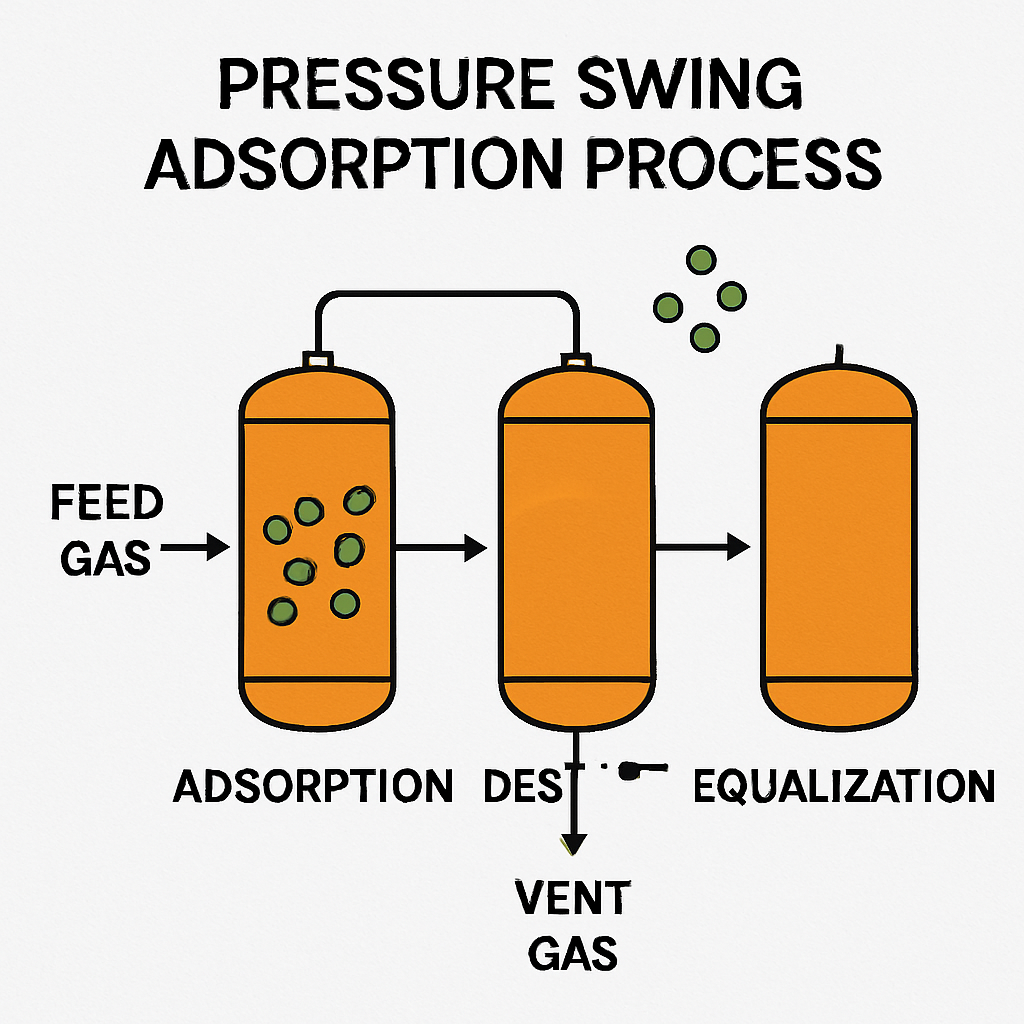
Pressure swing adsorption (PSA) is a technology used to separate certain gases from a mixture of gases under pressure according to the species’ molecular characteristics and affinity for an adsorbent material. It operates at near-ambient temperatures and differs significantly from cryogenic distillation techniques of gas separation. PSA is commonly used for nitrogen generation because it offers several advantages, including energy efficiency and cost-effectiveness.
Understanding PSA Nitrogen Generation
PSA nitrogen generation systems use a material known as a carbon molecular sieve (CMS) to separate nitrogen molecules from other gases, primarily oxygen, in the air. The process involves cycling between high pressure, where oxygen is adsorbed onto the CMS, and low pressure, where the CMS is regenerated. This cycling allows for a continuous flow of high-purity nitrogen.
Advantages of PSA Technology
- Cost Efficiency: PSA systems often have lower operational costs compared to other nitrogen generation methods because they use ambient air as the feedstock and require less energy.
- Scalability: PSA systems can be easily scaled to meet the needs of different applications, from small laboratories to large industrial facilities.
- Reliability: These systems are known for their durability and long service life, making them a preferred choice for many industries.
Emerging Trends in Nitrogen Generation
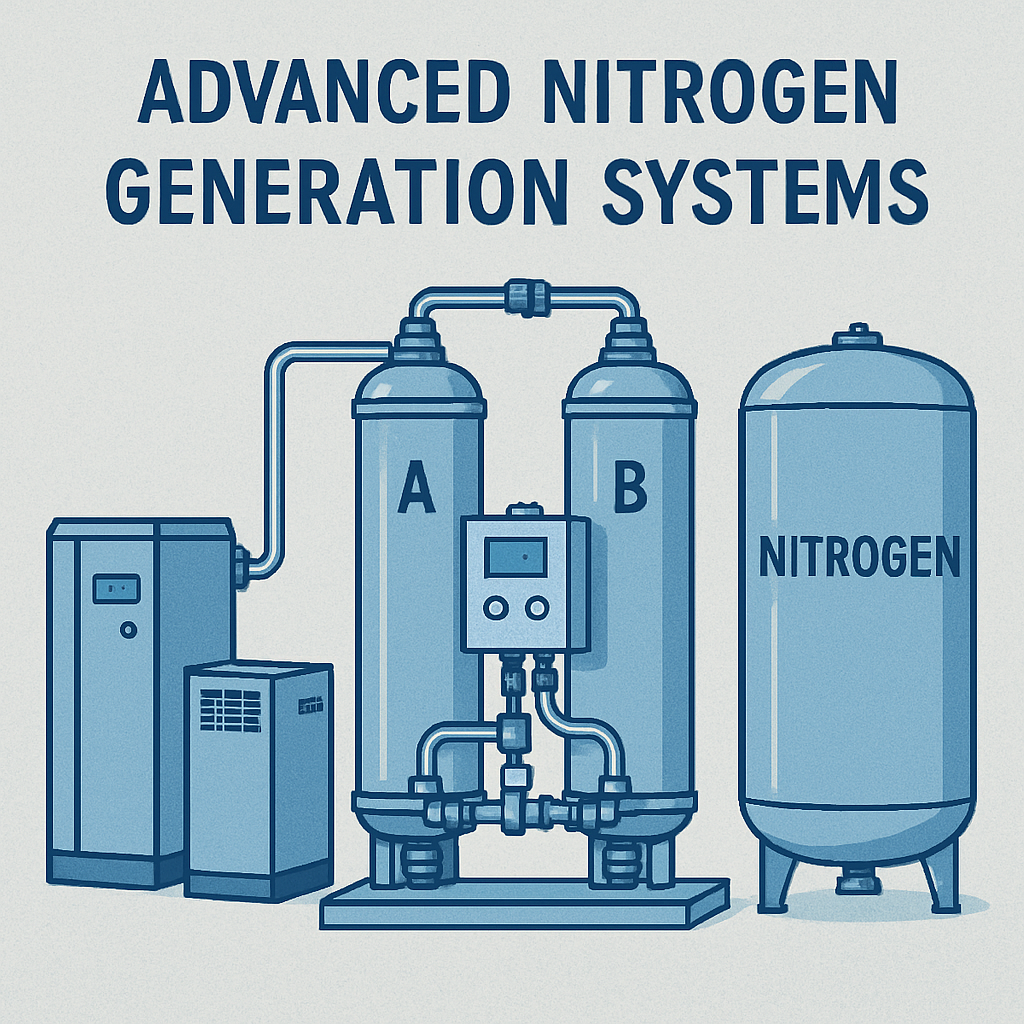
As technology continues to evolve, several trends are shaping the future of nitrogen generation technology:
Integration with IoT and Smart Systems
One of the most significant trends is the integration of nitrogen generation systems with the Internet of Things (IoT). By incorporating IoT, systems can offer real-time monitoring and control, leading to increased operational efficiency and reduced downtime. Smart systems can predict maintenance needs and optimize performance based on real-time data, allowing businesses to reduce costs and improve productivity.
Enhanced Energy Efficiency
Energy consumption is a major concern for industrial operations. Future nitrogen generation systems are focusing on enhancing energy efficiency to reduce environmental impact and operational costs. Innovations such as advanced CMS materials and optimized cycle times are being developed to minimize energy usage while maintaining high nitrogen purity.
Customization and Flexibility
As industries become more specialized, the demand for customized nitrogen generation solutions is increasing. Future systems are expected to offer greater flexibility in terms of output rates, purity levels, and integration with existing processes. This customization will allow businesses to tailor nitrogen generation to their specific needs, enhancing efficiency and effectiveness.
Environmental Considerations
With growing emphasis on sustainability, future nitrogen generation systems are being designed with environmental considerations in mind. This includes reducing emissions, minimizing waste, and improving the recyclability of system components. As regulations tighten, businesses are increasingly looking for eco-friendly nitrogen generation options.
Applications Across Industries

Nitrogen generation technology is critical across a wide range of industries. Here are a few examples of how it is being used and how future trends may impact these applications:
Food and Beverage
In the food and beverage industry, nitrogen is used for packaging, preservation, and processing. The trend towards more sustainable packaging solutions is driving the demand for on-site nitrogen generation systems that are efficient and environmentally friendly.
Electronics and Manufacturing
The electronics industry relies on nitrogen for processes such as soldering and manufacturing semiconductors. As the industry moves towards miniaturization and precision, the demand for high-purity nitrogen and advanced generation systems is increasing.
Pharmaceuticals
Nitrogen is used in the pharmaceutical industry for inerting, blanketing, and packaging. Future trends in nitrogen generation technology will focus on providing high-purity nitrogen to meet stringent pharmaceutical standards.
Chemical Processing
In chemical processing, nitrogen is used to prevent oxidation and contamination. As the industry seeks to improve safety and efficiency, advanced nitrogen generation systems are becoming essential.
Conclusion
The future of nitrogen generation technology is bright, with emerging trends promising to enhance efficiency, sustainability, and customization. As industries continue to evolve, the demand for advanced nitrogen generation solutions will grow. By staying ahead of these trends, businesses can ensure they are equipped with the latest technology to meet their nitrogen needs efficiently and sustainably.
By integrating IoT, improving energy efficiency, offering customization, and focusing on environmental impact, the future of nitrogen generation technology will undoubtedly transform industries worldwide. As we move forward, embracing these innovations will be key to staying competitive in a rapidly changing world.