Nitrogen generators are essential devices used across various industries, from food packaging to pharmaceuticals, to produce nitrogen gas on-site. By utilizing these generators, businesses can avoid the recurring costs of purchasing and transporting nitrogen gas in cylinders or liquid form. But as we approach 2025, many companies are wondering: How much does a nitrogen generator cost?
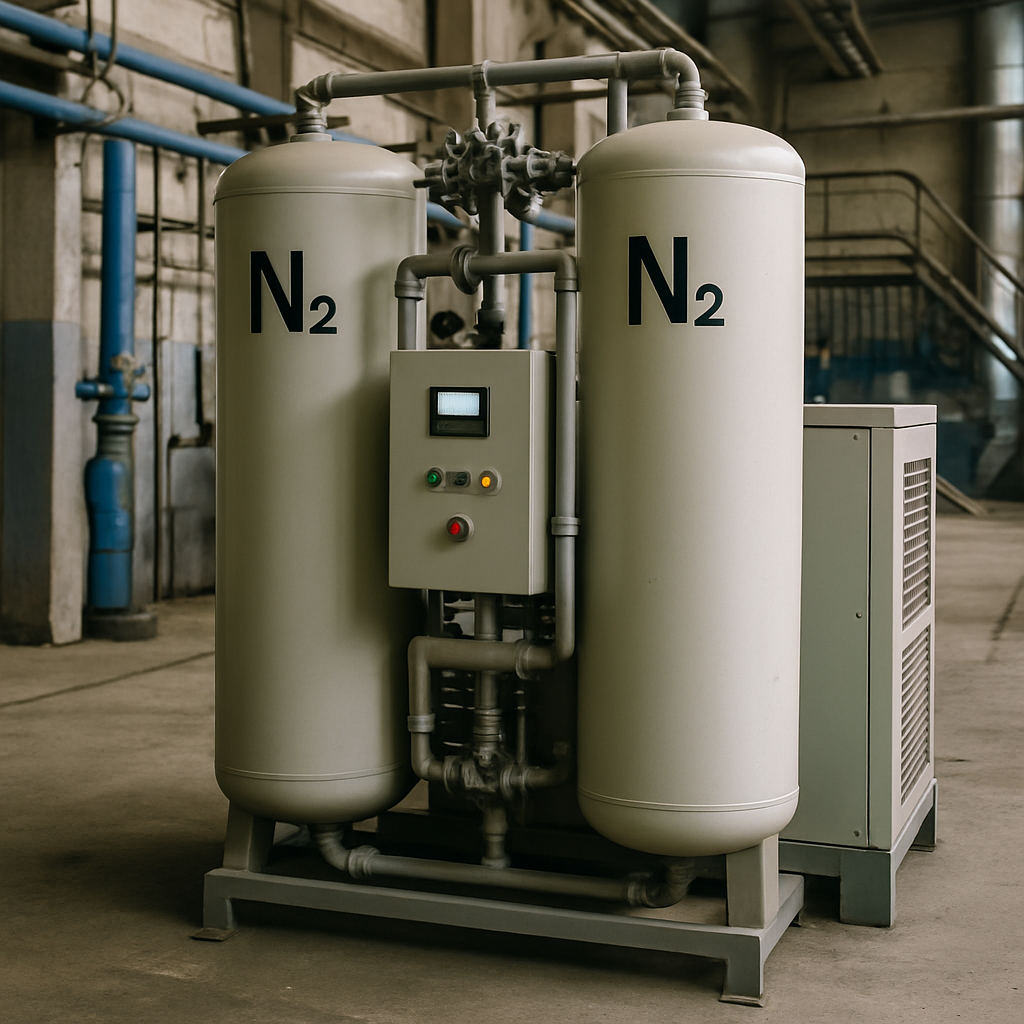
Factors Influencing Nitrogen Generator Costs
Understanding the cost of a nitrogen generator isn’t as straightforward as looking at a price tag. Several factors influence the final price of a nitrogen generator, and these factors can vary significantly depending on the specific needs of a business.
Type of Nitrogen Generator
There are two main types of nitrogen generators: Pressure Swing Adsorption (PSA) and Membrane Nitrogen Generators. Each type has its own price range. PSA generators are generally more expensive due to their higher efficiency and purity levels. In contrast, membrane generators are typically cheaper but may not achieve the same purity as PSA systems.
Capacity and Purity Levels
The cost of a nitrogen generator is directly proportional to its capacity and the purity of nitrogen it produces. Generators that produce higher purity nitrogen or have a larger output capacity generally cost more.
Brand and Manufacturer
Just like with any product, the brand or manufacturer of a nitrogen generator can significantly impact its price. Established brands with a reputation for quality and reliability often charge a premium for their products.
Installation and Maintenance
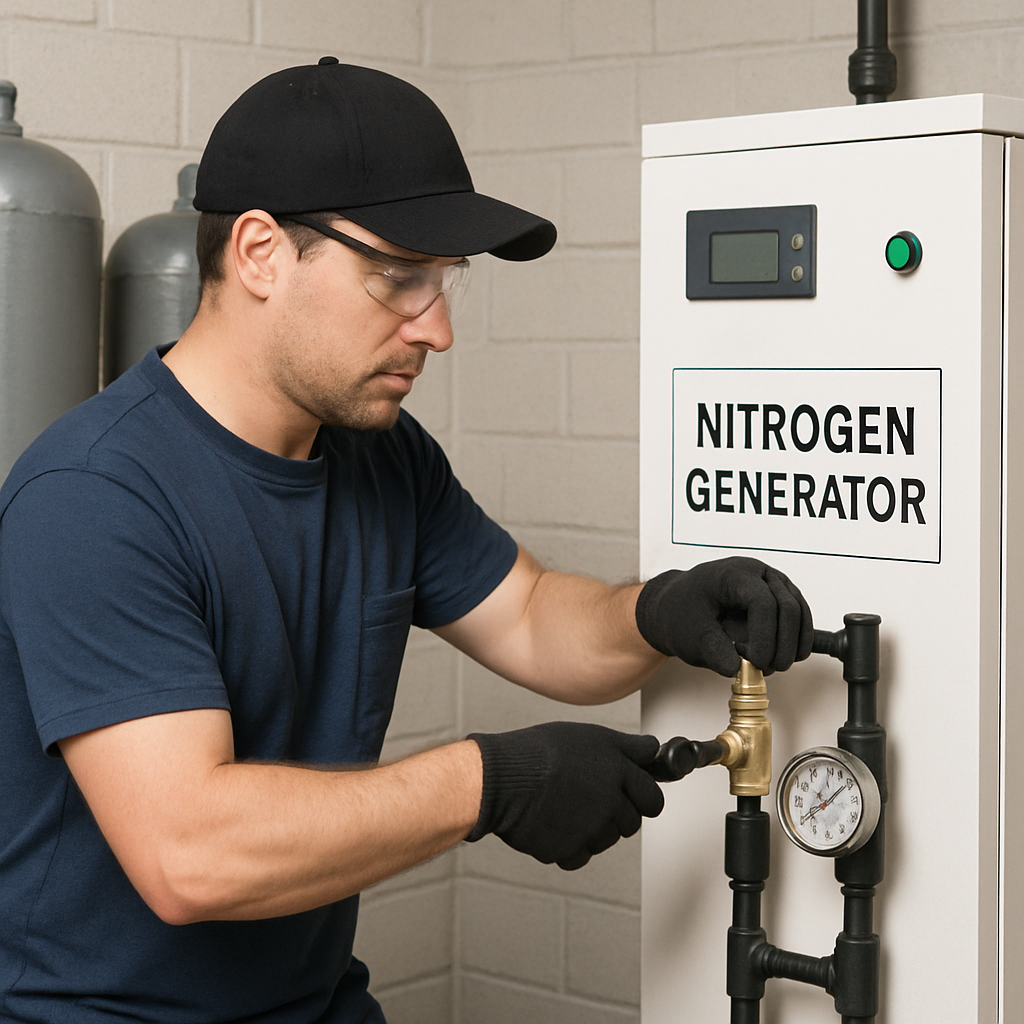
When budgeting for a nitrogen generator, consider the costs associated with installation and regular maintenance. Some manufacturers may offer installation as part of the purchase price, while others may charge extra. Similarly, regular maintenance is crucial for the longevity and efficiency of the generator, and these costs should be factored into the overall budget.
Nitrogen Generator Price Trends
The market for nitrogen generators has evolved over the years, and several trends have emerged that can help predict costs in 2025.
Technological Advancements
Technological advancements in nitrogen generator design and efficiency are likely to influence costs. As technology improves, we might see a reduction in manufacturing costs, which could lead to more competitive pricing.
Market Demand
The demand for nitrogen generators is expected to grow, particularly in sectors like food and beverage, pharmaceuticals, and electronics. This increased demand could drive prices up, especially if supply doesn’t keep pace.
Environmental Regulations
Stricter environmental regulations could also impact nitrogen generator prices. If new regulations require more efficient or environmentally friendly generators, manufacturers may incur additional costs that could be passed on to consumers.
Estimating Costs in 2025
Given these factors and trends, what can businesses expect to pay for a nitrogen generator in 2025? While it’s challenging to provide exact figures, we can offer some general estimates based on current pricing and anticipated trends.
Small-Scale Generators
For small businesses or applications requiring lower nitrogen output, a small-scale membrane nitrogen generator might cost between $3,000 to $10,000. These generators are ideal for on-site applications where high purity isn’t a primary concern.
Medium-Scale Generators
Medium-scale generators, suitable for moderate nitrogen demands, might range from $10,000 to $50,000. These units typically offer a balance between capacity and purity, making them suitable for many industrial applications.
Large-Scale Generators
For large-scale operations needing high-purity nitrogen, PSA generators might range from $50,000 to $200,000 or more. These systems are ideal for industries with stringent purity requirements, such as pharmaceuticals or electronics.
 by Anh Nguyen (https://unsplash.com/@pwign)
Additional Considerations
When planning to purchase a nitrogen generator, it’s crucial to consider several additional factors beyond the initial purchase price.
Total Cost of Ownership
The total cost of ownership includes not just the purchase price, but also installation, maintenance, and operational costs. It’s important to evaluate the long-term expenses associated with running a nitrogen generator.
Return on Investment
Consider the return on investment (ROI) when purchasing a nitrogen generator. By producing nitrogen on-site, businesses can save on the recurring costs of purchasing and transporting nitrogen, potentially leading to significant savings over time.
Financing Options
Many manufacturers offer financing options, which can make purchasing a nitrogen generator more accessible. By spreading the cost over time, businesses can manage their budgets more effectively while still acquiring the necessary equipment.
Conclusion
The cost of nitrogen generators in 2025 will be influenced by various factors, including technological advancements, market demand, and environmental regulations. By understanding these factors and considering total cost of ownership and ROI, businesses can make informed decisions when purchasing a nitrogen generator.
As with any significant purchase, it’s essential to conduct thorough research and consult with experts to ensure you choose the right generator for your specific needs and budget. By doing so, you can ensure a cost-effective, reliable supply of nitrogen for your operations.