In an era where air pollution is a significant concern, finding effective solutions to improve air quality is paramount. One such solution is the use of nitrogen filters. These advanced filtration systems play a crucial role in enhancing air quality by removing various contaminants from the atmosphere. This article will delve into the mechanics of nitrogen filtration, its benefits, and how it contributes to healthier living conditions.
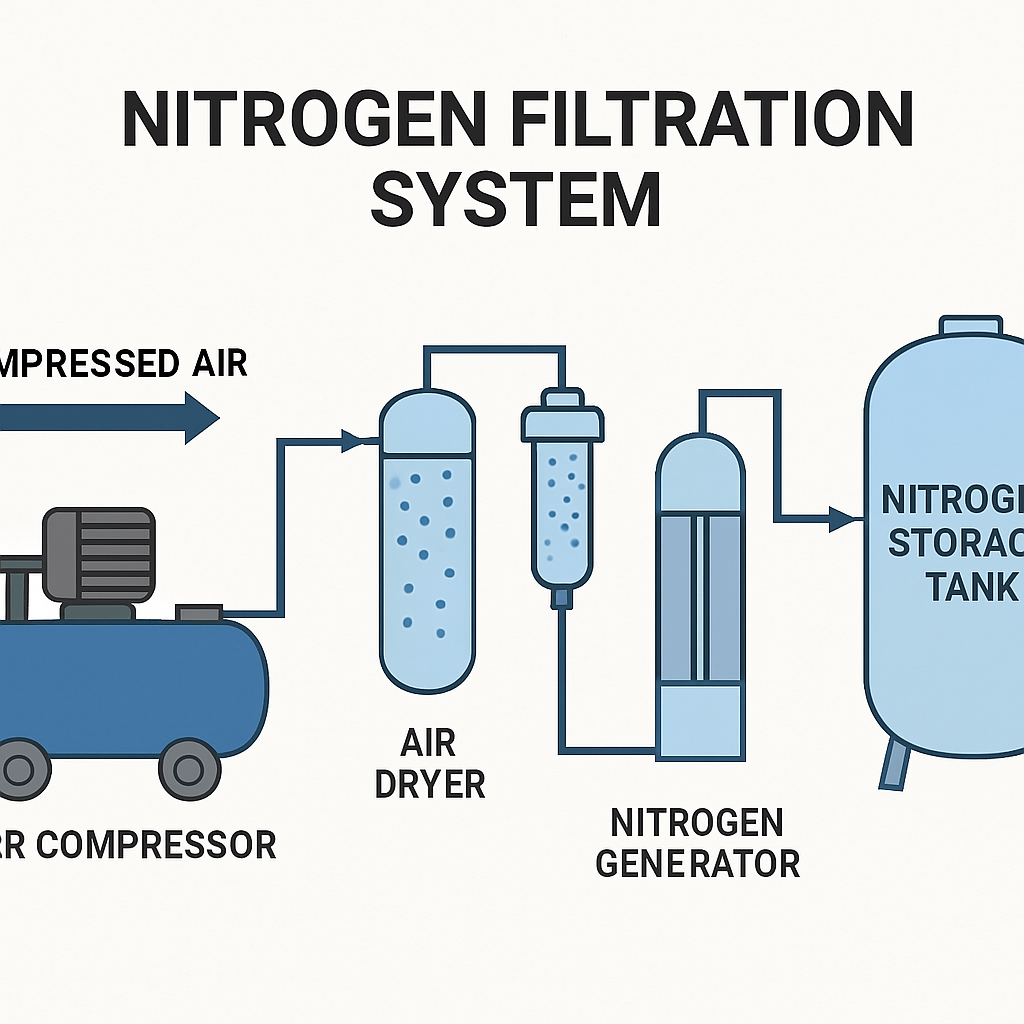
Understanding Nitrogen Filters
What Are Nitrogen Filters?
Nitrogen filters are specialized devices designed to purify air by removing unwanted particles and gases. Unlike traditional air filters, nitrogen filters target specific contaminants that contribute to air pollution, such as nitrogen oxides (NOx), volatile organic compounds (VOCs), and other harmful gases. These filters are typically used in industrial settings, automotive industries, and increasingly in residential areas to ensure cleaner and safer air quality.
How Do Nitrogen Filters Work?
The working principle of nitrogen filters involves the use of advanced filtration media that selectively capture and neutralize contaminants. This is achieved through a process known as adsorption, where pollutants adhere to the surface of the filter material. The efficiency of nitrogen filtration largely depends on the material used, which is often a combination of activated carbon and other proprietary compounds that enhance adsorption capabilities.

The Role of Nitrogen Filtration in Air Quality
Reduction of Nitrogen Oxides
Nitrogen oxides are a group of highly reactive gases that contribute to air pollution and are primarily emitted from vehicle exhausts and industrial processes. By effectively reducing NOx levels, nitrogen filters play a crucial role in mitigating smog formation and respiratory problems associated with poor air quality. This is particularly important in urban areas where traffic emissions are a significant concern.
Control of Volatile Organic Compounds
Volatile organic compounds are emitted from a variety of sources, including paints, cleaning supplies, and industrial processes. These compounds can cause adverse health effects, ranging from headaches to more severe conditions such as cancer. Nitrogen filters help in significantly lowering VOC concentrations, thus reducing the risk of health complications and improving overall air quality.
Mitigation of Ozone Formation
Ozone at ground level, as opposed to the protective layer in the upper atmosphere, is a harmful pollutant formed by the reaction of NOx and VOCs in the presence of sunlight. By reducing the precursors of ozone, nitrogen filters indirectly reduce ozone levels, thereby contributing to a healthier environment.
Advantages of Nitrogen Filtration
Enhanced Air Quality
The primary advantage of nitrogen filters is the significant improvement in air quality. By removing harmful gases and particles, these filters ensure cleaner air, which is beneficial for both human health and the environment. This is especially important in areas with high pollution levels, where air quality improvements can lead to noticeable health benefits.
Versatility and Adaptability
Nitrogen filters are versatile and can be adapted for various applications, from industrial to residential use. Their adaptability makes them suitable for a wide range of settings, ensuring that air quality can be improved in different environments. This versatility also means that nitrogen filters can be integrated into existing ventilation systems without the need for extensive modifications.
Long-term Health Benefits
By effectively reducing pollutants, nitrogen filters contribute to long-term health benefits. Cleaner air reduces the risk of respiratory diseases, cardiovascular conditions, and other health issues associated with air pollution. This not only improves quality of life but also reduces healthcare costs associated with treating pollution-related illnesses.

by Possessed Photography (https://unsplash.com/@possessedphotography)
Challenges and Considerations
Cost and Maintenance
While nitrogen filters offer numerous benefits, they are not without challenges. The cost of installation and maintenance can be significant, particularly in large-scale applications. Regular maintenance is essential to ensure the filters operate efficiently and continue to provide air quality improvements. However, the long-term benefits often outweigh the initial costs, making them a worthwhile investment.
Environmental Impact
The production and disposal of nitrogen filters can have environmental impacts. It is crucial to consider the lifecycle of these filters, from manufacturing to disposal, to minimize their ecological footprint. Advances in filter technology are continuously being made to enhance sustainability and reduce the environmental impact of nitrogen filtration systems.
Future Trends in Nitrogen Filtration
Technological Innovations
The field of nitrogen filtration is witnessing rapid technological advancements. New materials and designs are being developed to enhance the efficiency and effectiveness of nitrogen filters. Innovations such as nanotechnology and smart filters are being explored to provide even greater improvements in air quality.
Integration with Smart Systems
As smart technology becomes more prevalent, nitrogen filters are being integrated into smart home and building systems. This allows for real-time monitoring and control of air quality, ensuring optimal filtration performance. Such integration not only enhances user convenience but also maximizes the effectiveness of nitrogen filtration systems.
Conclusion
Nitrogen filters are a vital component in the ongoing effort to improve air quality. By effectively removing harmful gases and particles, they play a crucial role in creating healthier environments. While there are challenges associated with their use, the benefits of cleaner air, improved health, and environmental protection make them an indispensable tool in the fight against air pollution. As technology continues to evolve, nitrogen filtration systems will undoubtedly become even more efficient and accessible, paving the way for a cleaner, healthier future.