# How Nitrogen Generators Extend Shelf Life in Food Packaging
In today’s fast-paced world, ensuring the longevity and quality of food products is a major concern for manufacturers and consumers alike. One of the most effective methods to preserve food is through modified atmosphere packaging (MAP), which often relies on nitrogen generators to maintain product freshness.
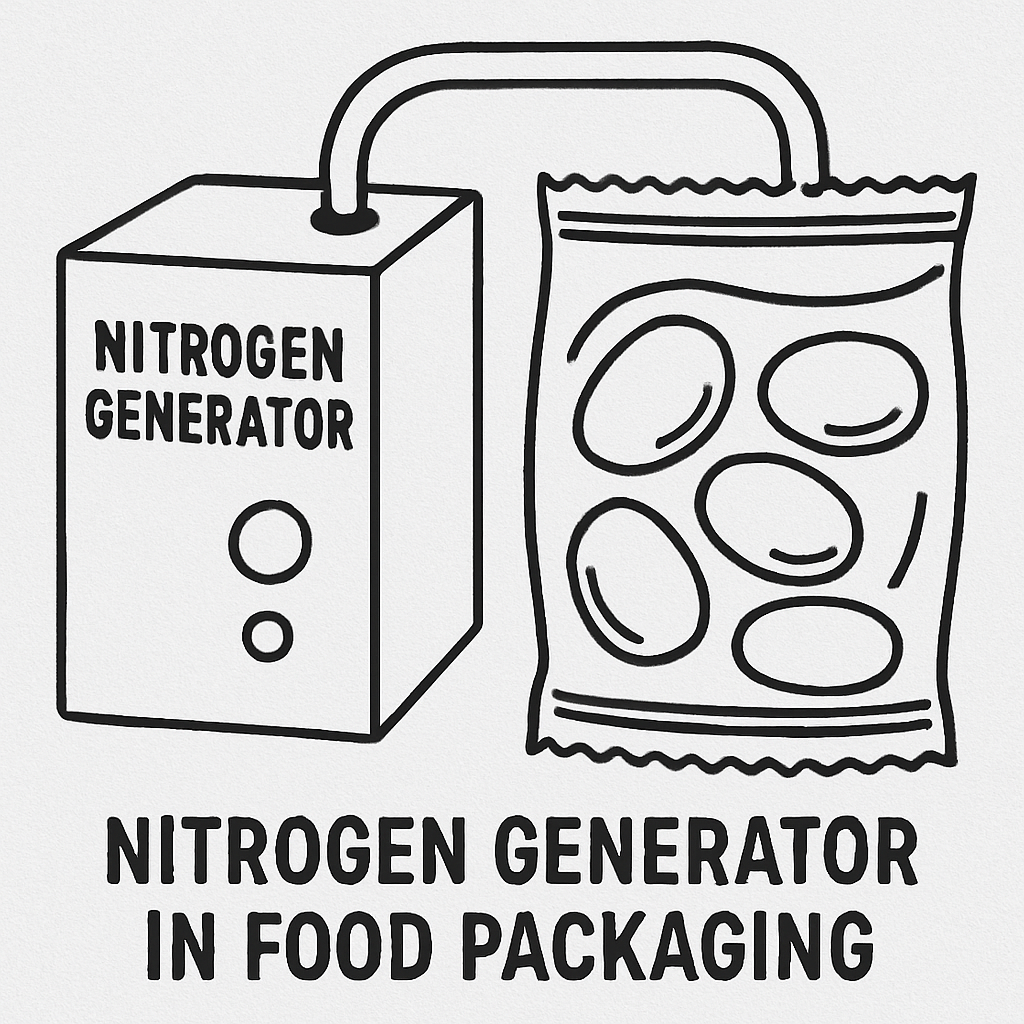
What is Modified Atmosphere Packaging?
Modified atmosphere packaging is a technology used to extend the shelf life of perishable food products. By altering the atmosphere surrounding the product, MAP slows down the spoilage process and maintains the food’s taste, texture, and nutritional value. This method is widely used in packaging fresh meats, fruits, vegetables, and bakery products.
What is Modified Atmosphere Packaging?
The Role of Nitrogen in MAP
Nitrogen plays a crucial role in MAP by replacing the oxygen within the packaging. Oxygen is a key contributor to food spoilage as it promotes the growth of bacteria and mold. By reducing oxygen levels and increasing nitrogen concentration, the spoilage process is significantly slowed down, thereby extending the shelf life of the food.
How Do Nitrogen Generators Work?
Nitrogen generators are devices that produce nitrogen gas from ambient air. They are essential tools in various industries, including food packaging, cable production, and laboratory operations. Let’s dive into how they function and their applications in food packaging.
The Science Behind Nitrogen Generation
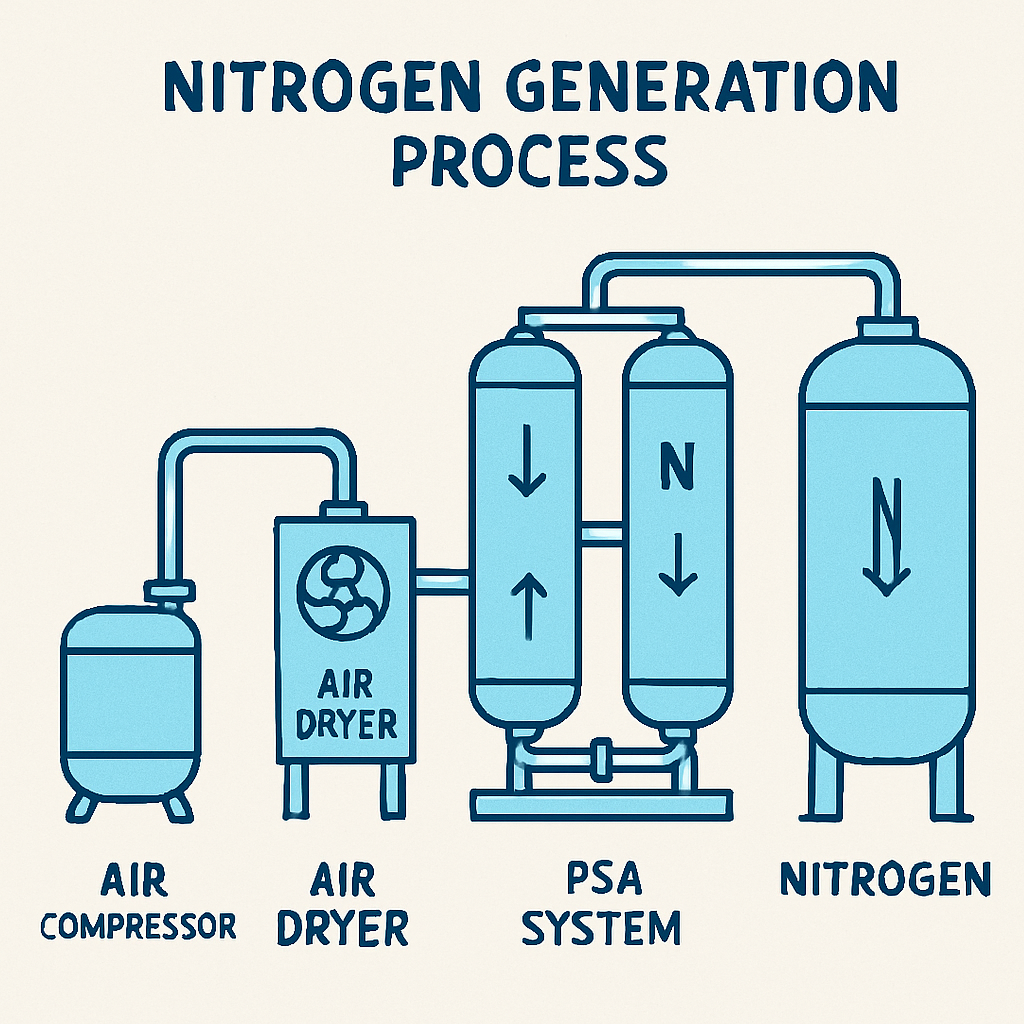
Nitrogen generators utilize membrane or pressure swing adsorption (PSA) technology to separate nitrogen from the air. Ambient air contains approximately 78% nitrogen, and these generators capitalize on this abundance to provide a continuous supply of pure nitrogen gas.
- Membrane Technology: This method uses a semi-permeable membrane that allows smaller molecules like oxygen and carbon dioxide to pass through while retaining larger nitrogen molecules.
- Pressure Swing Adsorption (PSA): This technique uses adsorbent materials that trap oxygen and other gases under high pressure, releasing pure nitrogen gas.
Benefits of Using Nitrogen Generators in Food Packaging
Extending Shelf Life
The primary advantage of using nitrogen generators in food packaging is the significant extension of product shelf life. By minimizing the presence of oxygen, food spoilage is delayed, allowing manufacturers to distribute products over a wider geographic area and reduce waste.
Preserving Quality
Nitrogen helps preserve the sensory qualities of food, such as taste, texture, and color. This is particularly important for delicate products like fruits and vegetables, which are prone to rapid deterioration when exposed to oxygen.
Cost-Effectiveness
Implementing nitrogen generators can be more cost-effective than other preservation methods, such as vacuum sealing or chemical preservatives. Generating nitrogen on-site reduces the need for purchasing and transporting gas cylinders, resulting in lower operational costs.
Environmental Impact
Using nitrogen generators contributes to environmental sustainability. By reducing food spoilage and waste, the demand for resources required to produce and transport food decreases. Additionally, nitrogen is a non-toxic, inert gas that poses no harm to the environment.
Applications Beyond Food Packaging
Nitrogen generators are versatile tools with applications extending beyond food packaging. They are used in various industries, including:
- Cable Production: Nitrogen generators provide a stable atmosphere for the extrusion process, improving the quality and durability of cables.
- Laboratories: Nitrogen is essential for analytical instruments like Liquid Chromatography-Mass Spectrometry (LCMS), providing a dry, inert environment for accurate analysis.
- Fire Protection Systems: In sprinkler systems, nitrogen generators prevent corrosion by displacing oxygen, thus extending the system’s lifespan.
- General Manufacturing: Nitrogen generators offer a reliable source of nitrogen for processes requiring inert atmospheres, such as metal production and plastic molding.
 by Roger Starnes Sr (https://unsplash.com/@rstar50)
Installation and Maintenance of Nitrogen Generators
Choosing the Right System
Selecting the appropriate nitrogen generator for your needs involves considering factors such as required nitrogen purity, flow rate, and pressure. Manufacturers offer various models designed to meet specific industry requirements.
Installation Process
The installation of a nitrogen generator requires professional expertise to ensure optimal performance. It involves connecting the generator to an air supply, setting up filtration systems, and calibrating the equipment to achieve the desired nitrogen purity levels.
Maintenance Requirements
Regular maintenance of nitrogen generators is crucial for ensuring their longevity and efficiency. This includes routine checks of filters, valves, and membranes, as well as monitoring gas purity levels. Scheduled maintenance minimizes downtime and prevents unexpected failures.
Conclusion
Nitrogen generators play a pivotal role in the food packaging industry by extending the shelf life of perishable products and preserving their quality. Their applications in various industries highlight their versatility and importance as a cost-effective and environmentally friendly solution.
As the demand for fresh, long-lasting food continues to rise, nitrogen generators will remain an indispensable tool in achieving these goals. By understanding their function and benefits, businesses can make informed decisions to enhance their operations and deliver superior products to consumers.
Founded in 2013 and 2014, Shenzhen Yuhan Electronic Technology Co., Ltd. and Suzhou Hongjinli Gas Equipment Co., Ltd. specialize in PSA nitrogen generators, oxygen generators, nitrogen purification systems, and gas equipment solutions. Our expertise spans industries including SMT manufacturing, semiconductor packaging, optoelectronics, and food and pharmaceutical storage, contact us now!