Nitrogen is an essential gas used in various industries, from food packaging to pharmaceuticals and electronics manufacturing. Given its importance, having a reliable source of nitrogen is crucial for many businesses. This is where nitrogen generation units come into play. These units provide an on-site supply of nitrogen, eliminating the need for regular deliveries of bottled gas. In this article, we’ll delve into the key components of nitrogen generation units and explain how they work.
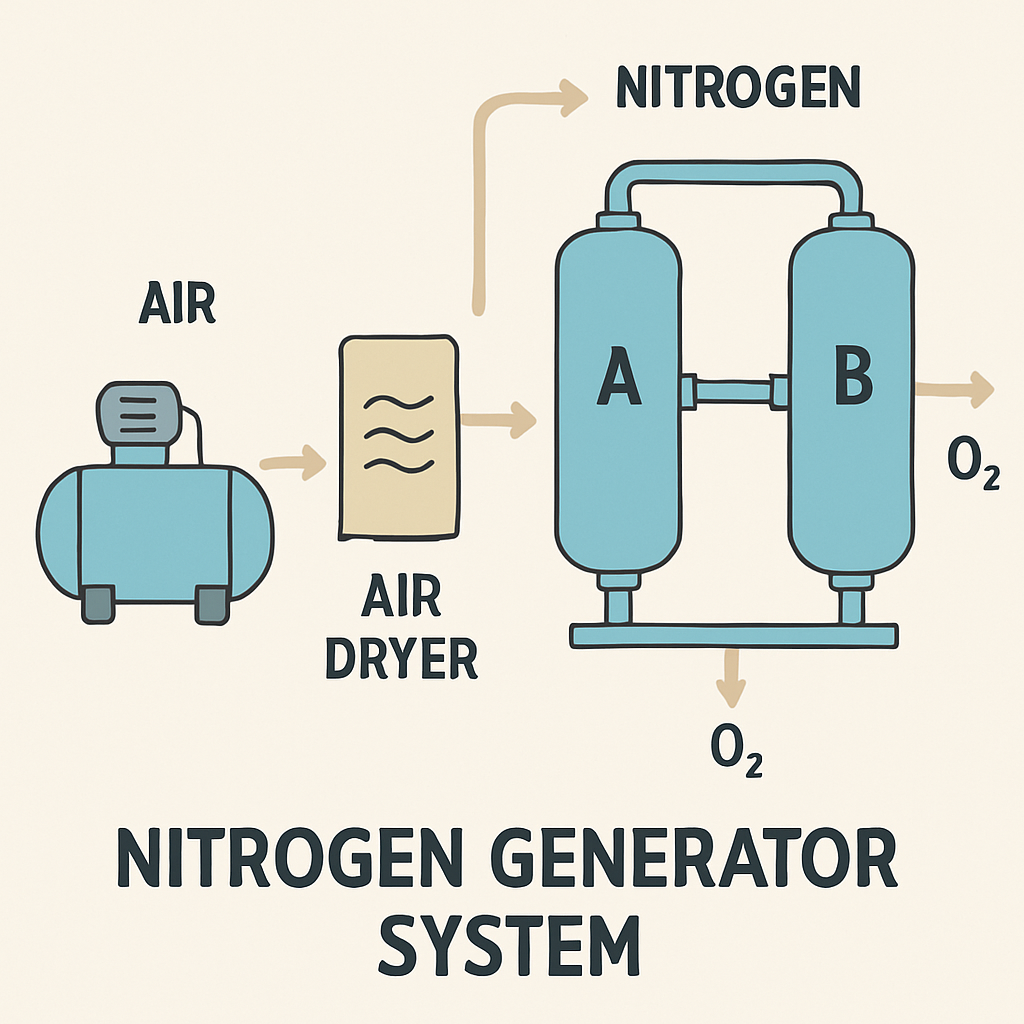
A nitrogen generator is a device that separates nitrogen from other gases in the air to produce a high-purity nitrogen gas stream. These generators are commonly used in industries that require a continuous supply of nitrogen.
Types of Nitrogen Generators
There are two main types of nitrogen generators: Pressure Swing Adsorption (PSA) and Membrane Nitrogen Generators.
- PSA Nitrogen Generators: These generators use activated carbon or zeolite materials to adsorb oxygen, allowing nitrogen to pass through. The adsorbent materials are periodically regenerated by depressurizing the system.
- Membrane Nitrogen Generators: These utilize semi-permeable membranes to separate nitrogen from compressed air. The membranes allow oxygen and water vapor to pass through while retaining nitrogen.
Each type of generator has its advantages and is chosen based on specific industrial requirements.
Core Components of a Nitrogen Generation Unit
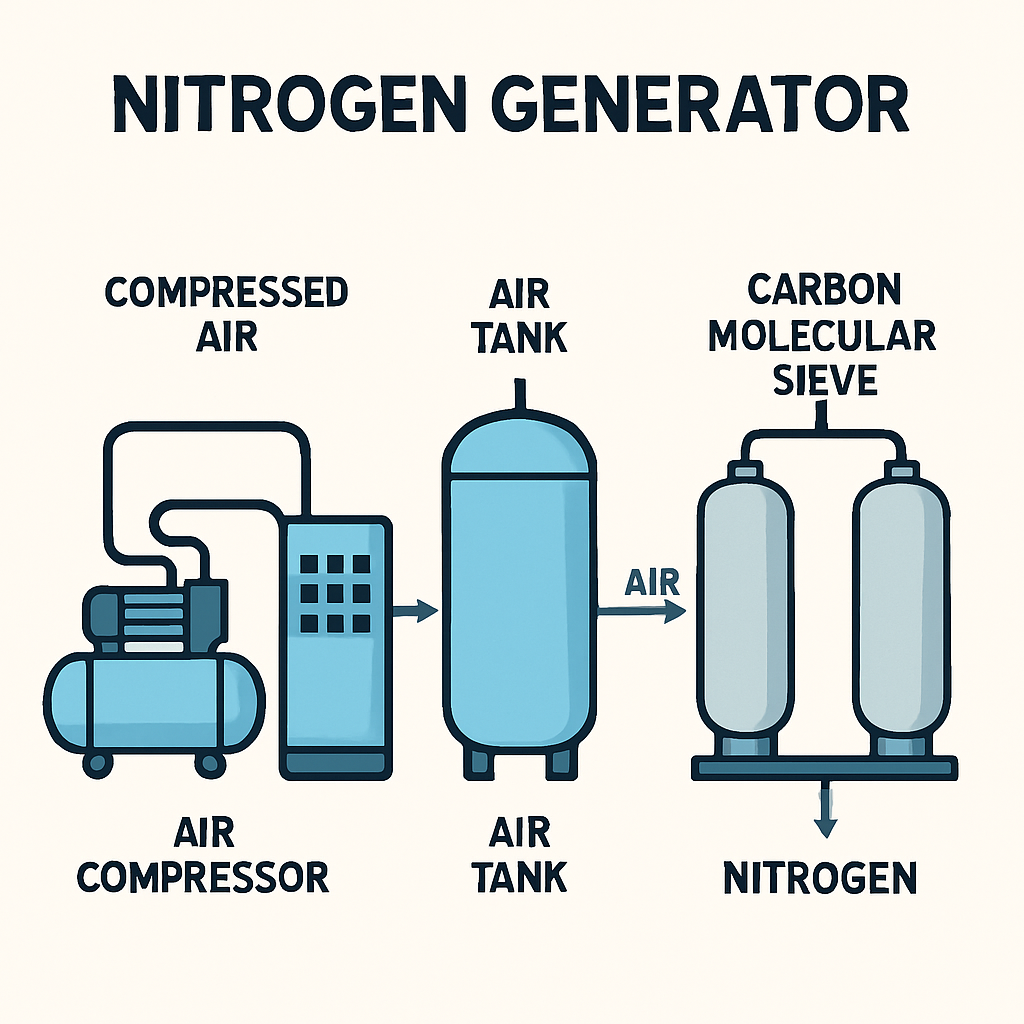
Understanding the core components of a nitrogen generation unit is essential for anyone looking to optimize their nitrogen supply system. Below are the primary components:
Air Compressor
The air compressor is the heart of a nitrogen generation unit. It draws in atmospheric air and compresses it to the required pressure. The compressed air is then fed into the generator system for nitrogen extraction.
Air Dryer
Moisture in the air can affect the efficiency and lifespan of a nitrogen generator. An air dryer is used to remove this moisture, ensuring that only dry air enters the system.
Filtration System
Before reaching the nitrogen separation process, the compressed air must be cleaned of particulates and oil vapors. The filtration system typically includes pre-filters and coalescing filters to ensure the air is of the highest quality.
Nitrogen Separation Module
This is where the actual separation of nitrogen from other gases takes place. Depending on the type of nitrogen generator, this module will either house the PSA beds or the membrane separation system.
Nitrogen Storage Tank
Once separated, the nitrogen gas is stored in a tank. This storage allows for a stable supply of nitrogen even if the generator temporarily shuts down or requires maintenance.
Control System
Modern nitrogen generation units are equipped with advanced control systems. These systems monitor the generator’s performance, adjust operating parameters, and alert operators to any issues. This automation enhances the reliability and efficiency of the nitrogen supply.
Advantages of On-Site Nitrogen Generation
 by Clemens van Lay (https://unsplash.com/@clemensvanlay)
Investing in a nitrogen generation unit offers several advantages to businesses:
- Cost Efficiency: By generating nitrogen on-site, companies can reduce or eliminate the costs associated with purchasing and transporting bottled nitrogen.
- Continuous Supply: On-site generation ensures a constant supply of nitrogen, minimizing downtime and production disruptions.
- Purity Control: Businesses can tailor the purity level of the nitrogen to meet specific industry standards and requirements.
- Environmental Benefits: Generating nitrogen on-site reduces the carbon footprint associated with transporting bottled gas.
Applications of Nitrogen Generators
Nitrogen generation units are used across a wide range of industries. Here are some common applications:
- Food and Beverage: Nitrogen is used to preserve freshness and extend the shelf life of packaged foods.
- Pharmaceuticals: It is used to maintain sterile environments and prevent oxidation in drug manufacturing.
- Electronics: Nitrogen prevents oxidation during the production of electronic components.
- Chemical Manufacturing: It is used as a blanketing gas to prevent reactions with oxygen.
Maintenance and Troubleshooting
To ensure the longevity and efficiency of a nitrogen generation unit, regular maintenance is crucial. Here are some tips:
- Regular Inspections: Perform routine checks to identify any wear and tear or potential issues.
- Filter Replacement: Replace filters as recommended to maintain air quality and system efficiency.
- Monitor Performance: Use the control system to track performance metrics and adjust settings as needed.
Common Issues and Solutions
- Reduced Nitrogen Purity: This can be caused by clogged filters or worn-out separation modules. Regular maintenance and timely replacement of components can prevent this issue.
- Pressure Drops: If the system experiences pressure drops, check for leaks or blockages in the air supply line.
Conclusion
Nitrogen generation units are indispensable tools for industries that rely on a steady supply of nitrogen. Understanding the components and operation of these units can help businesses optimize their nitrogen production, reduce costs, and improve operational efficiency. By investing in a nitrogen generation system, companies can ensure they meet their nitrogen needs reliably and sustainably.