In the world of precision laser cutting, quality is everything. Whether you’re crafting intricate designs or cutting through thick metals, the final product must be flawless. One secret weapon in achieving top-notch laser cutting quality is the use of nitrogen. In this article, we’ll explore how nitrogen plays a pivotal role in enhancing cutting edge technology and ensuring precision in laser cutting processes.
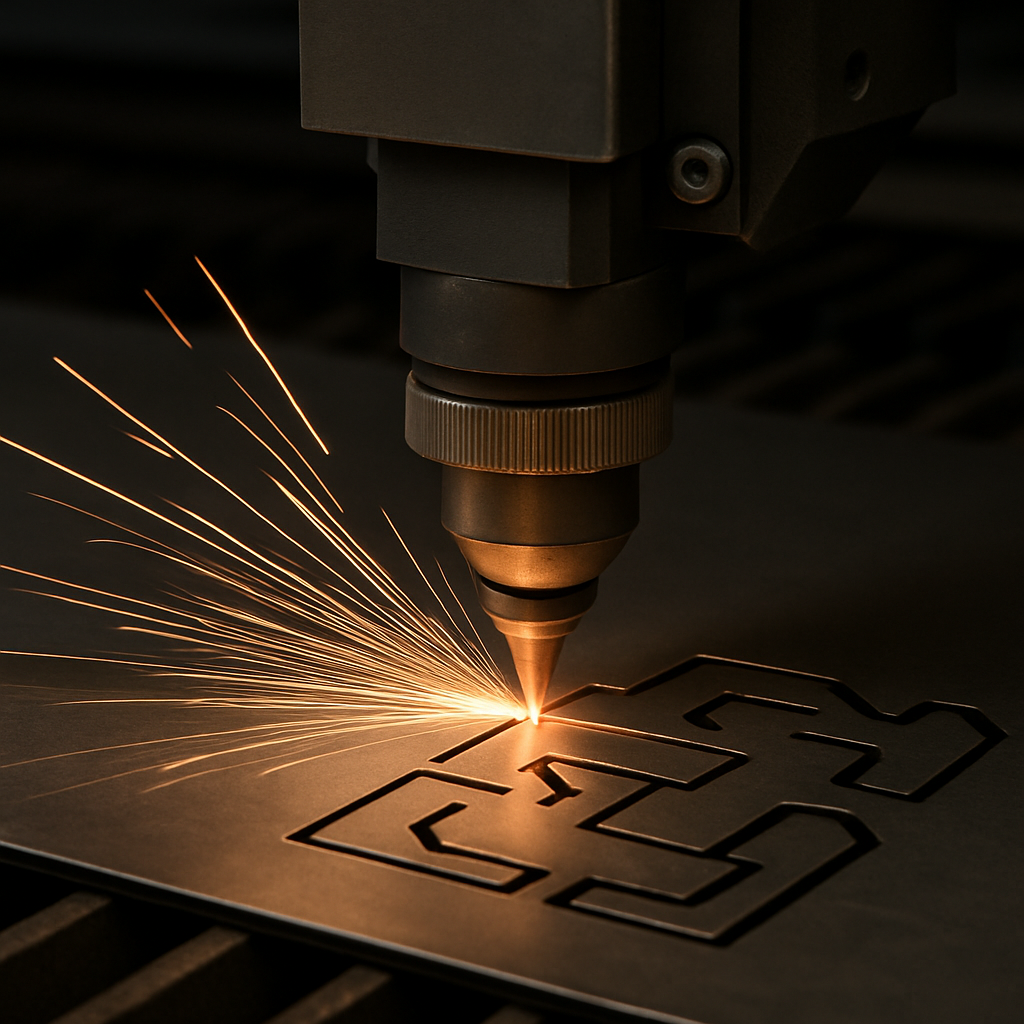
Laser cutting is a technology that uses a laser to slice through materials. It’s widely used across various industries, from automotive to aerospace, and even in art. The precision and efficiency of laser cutting make it a preferred method for achieving intricate designs and clean cuts. However, the quality of the cut is heavily dependent on the gases used during the process.
The Role of Gases in Laser Cutting
In laser cutting, gases are used to assist the laser in cutting through materials. They help in cooling the workpiece, removing molten material, and preventing oxidation. Common gases used include oxygen, air, and nitrogen. Each gas has its specific benefits, but nitrogen stands out for several reasons.
Why Nitrogen?
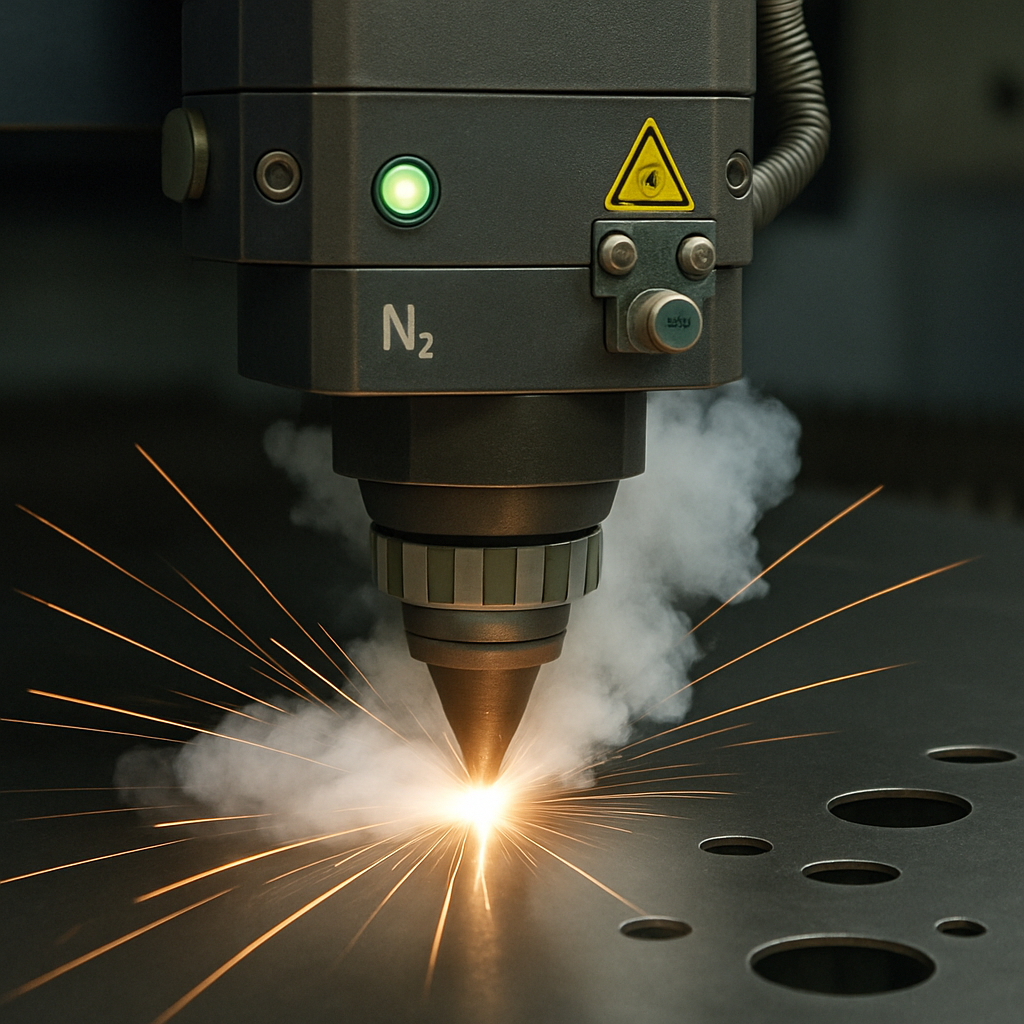
Nitrogen is a colorless, odorless gas that is abundant in the atmosphere. In laser cutting, nitrogen is primarily used as an assist gas, providing several advantages that enhance the quality of the cut.
Preventing Oxidation
One of the key benefits of using nitrogen in laser cutting is its ability to prevent oxidation. When cutting metals, oxidation can lead to discoloration and a rougher edge. Nitrogen, being an inert gas, prevents this by creating a barrier that keeps oxygen away from the cutting area. This results in a clean, shiny edge, which is particularly important for aesthetic applications.
Achieving High Precision
Precision is crucial in laser cutting, especially when working with intricate designs. Nitrogen helps in achieving high precision by providing a stable cutting environment. It maintains a consistent flow and pressure, ensuring that the laser cuts smoothly through the material without deviations. This consistency is vital for achieving intricate patterns and maintaining tight tolerances.
Enhancing Speed and Efficiency
Using nitrogen can also enhance the speed and efficiency of the laser cutting process. Since it prevents oxidation, there is no need for post-processing to clean up the edges. This saves time and reduces labor costs, making the entire process more efficient. Additionally, the clean cuts achieved with nitrogen mean that there is less material waste, further improving efficiency.
Comparing Nitrogen with Other Assist Gases
While nitrogen offers several benefits, it’s essential to understand how it compares with other assist gases like oxygen and air.
Nitrogen vs. Oxygen
Oxygen is another popular assist gas in laser cutting, particularly for cutting thick materials. It reacts with the metal, creating an exothermic reaction that helps the laser cut through the material faster. However, this reaction also leads to oxidation, which can compromise the quality of the cut. In contrast, nitrogen provides a cleaner cut without the risk of oxidation, making it ideal for applications where edge quality is paramount.
Nitrogen vs. Air
Air is sometimes used as an assist gas because it is readily available and inexpensive. However, air contains oxygen, which can lead to oxidation and lower cut quality. While air can be suitable for certain applications, nitrogen is preferred when high-quality, oxidation-free cuts are required.
Applications of Nitrogen in Laser Cutting
 by Chayanin lawin (https://unsplash.com/@hitmaster001)
Nitrogen is widely used in various laser cutting applications due to its ability to provide clean, precise cuts. Some of the common applications include:
Metal Fabrication
In metal fabrication, the quality of the cut is crucial. Nitrogen is often used when cutting stainless steel and aluminum, where a clean, oxidation-free edge is necessary for both structural integrity and aesthetic purposes.
Electronics
The electronics industry relies on precision laser cutting for manufacturing components with tight tolerances. Nitrogen helps achieve the high precision required in cutting small, intricate parts.
Automotive and Aerospace
In the automotive and aerospace industries, the quality and precision of laser cuts can significantly impact the performance and safety of the final product. Nitrogen is used to ensure that components meet the stringent quality standards required in these industries.
Choosing the Right Gas for Your Needs
When deciding which gas to use for laser cutting, it’s essential to consider the specific requirements of your application. Factors such as material type, thickness, and desired edge quality will influence the choice of assist gas.
Cost Considerations
While nitrogen offers numerous benefits, it’s essential to weigh these against the cost. Nitrogen can be more expensive than other gases, so it’s crucial to consider the overall benefits it provides in terms of quality and efficiency.
Environmental Impact
Another consideration is the environmental impact. Nitrogen is a non-toxic, inert gas, making it an environmentally friendly choice. In contrast, other gases like oxygen can have a higher environmental impact due to their reactivity.
Conclusion
In the realm of precision laser cutting, the choice of assist gas can significantly impact the quality and efficiency of the process. Nitrogen stands out as a superior option for achieving clean, precise cuts without the risk of oxidation. Its ability to enhance speed, precision, and overall cut quality makes it an invaluable tool in cutting edge technology. Whether you’re in metal fabrication, electronics, or any industry that requires high-quality laser cuts, nitrogen can help you achieve the best results.
Embrace the power of nitrogen in your laser cutting operations and experience the difference in quality and efficiency it brings.