Liquid nitrogen is more than just a scientific curiosity; it’s a powerhouse in the industrial world. This colorless, odorless, and non-flammable liquid is used across various sectors, providing solutions that enhance efficiency and innovation. Its unique properties make it indispensable in a wide range of applications, from preserving food to aiding in medical procedures. Liquid nitrogen’s versatile uses are not only diverse but also essential in maintaining and improving modern industrial practices, contributing to advancements in technology and quality of life.
In the world of industrial applications, the value of liquid nitrogen lies in its extreme cold temperature, which provides capabilities that are otherwise difficult to achieve with conventional cooling methods. By exploring its applications across different sectors, we gain insight into how liquid nitrogen helps industries innovate, optimize, and meet the evolving demands of the market. As industries push the boundaries of technology and efficiency, liquid nitrogen is poised to play an ever-increasing role in driving progress.
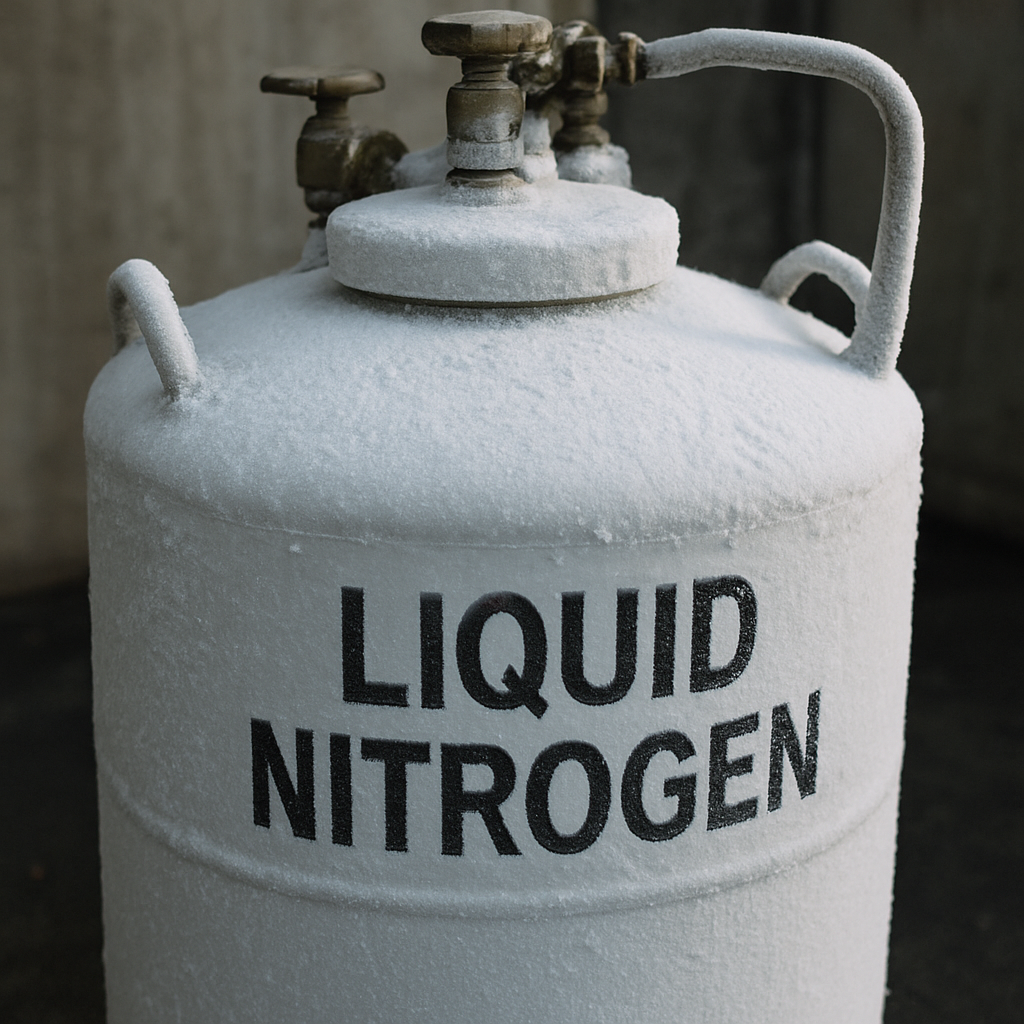
Before diving into its applications, it’s crucial to understand what liquid nitrogen is. Nitrogen makes up about 78% of the Earth’s atmosphere and becomes a liquid when cooled to -196 degrees Celsius (-320 degrees Fahrenheit). This extreme cold makes it incredibly useful for applications requiring rapid freezing or cooling. The transformation from a gas to a liquid at such low temperatures involves the removal of latent heat, which gives liquid nitrogen its remarkable ability to absorb heat rapidly.
Liquid nitrogen’s properties are rooted in its physical characteristics. As a cryogenic fluid, it can cause materials to become brittle, making it an effective tool for specific industrial processes. Its inert nature also means it does not react with most substances, providing a safe medium for cooling and storage. Understanding these foundational aspects of liquid nitrogen helps us appreciate its role in diverse industrial applications and the unique solutions it offers.
Key Applications of Liquid Nitrogen
1. Food and Beverage Industry
One of the most visible uses of liquid nitrogen is in the food and beverage industry. Here, it plays a critical role in preserving freshness and quality. The rapid cooling ability of liquid nitrogen helps extend shelf life and maintain the integrity of food products, ensuring that they reach consumers in optimal condition.
Freezing and Chilling
Liquid nitrogen is used for flash freezing foods, preserving texture, flavor, and nutritional content. This method is faster than traditional freezing, reducing ice crystal formation that can damage cell walls in food products. In addition to preserving quality, flash freezing also enhances food safety by inhibiting the growth of bacteria and other pathogens.
This technology is particularly beneficial for high-value foods like seafood and gourmet items, where quality and freshness are paramount. In the world of gastronomy, chefs use liquid nitrogen to create innovative dishes, adding a dramatic flair to food presentation and enhancing sensory experiences. The versatility of liquid nitrogen in food processing and culinary arts exemplifies its transformative impact on the industry.
Carbonation
In beverages, liquid nitrogen helps in carbonation processes. It ensures that drinks maintain their fizz and stay fresh for longer periods. This is achieved by using liquid nitrogen to create a pressurized environment, which aids in infusing carbon dioxide into beverages more efficiently.
Moreover, the use of liquid nitrogen in packaging can improve the shelf life of carbonated drinks by reducing oxidation and spoilage. This is particularly important in the production of craft beverages, where maintaining the original taste and quality is essential. By incorporating liquid nitrogen into the carbonation process, beverage manufacturers can deliver products that consistently meet consumer expectations for flavor and freshness.
2. Medical and Healthcare Sector
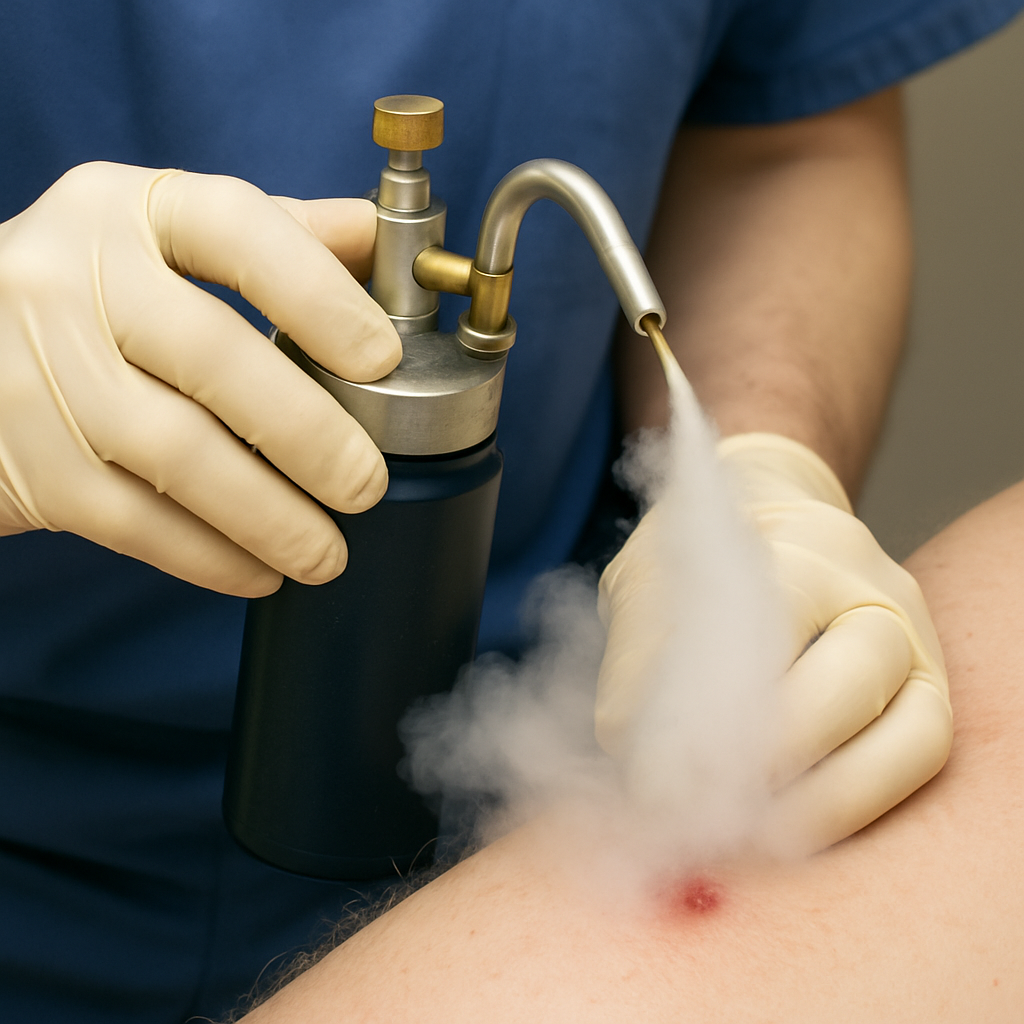
In the medical field, liquid nitrogen is invaluable for its cooling properties. It has revolutionized certain medical procedures and storage techniques, providing effective solutions for both treatment and research purposes.
Cryotherapy
Liquid nitrogen is used in cryotherapy to remove skin abnormalities like warts, skin tags, and some cancers. It works by freezing and destroying abnormal tissue, offering a minimally invasive treatment option that can be performed in outpatient settings. The precision of liquid nitrogen in targeting affected areas minimizes damage to surrounding healthy tissue, promoting quicker recovery times.
Beyond dermatological uses, cryotherapy with liquid nitrogen is employed in pain management and sports medicine. Athletes use localized cryotherapy to reduce inflammation and expedite recovery from injuries. This application highlights the broad therapeutic potential of liquid nitrogen in enhancing patient care and improving outcomes in various medical disciplines.
Blood and Tissue Preservation
In laboratories, liquid nitrogen helps preserve blood, sperm, eggs, and other biological samples. Its ultra-cold temperature prevents degradation, allowing samples to be stored for extended periods. This capability is critical for research, fertility treatments, and biobanking, where maintaining the viability of samples is essential for success.
The reliability of liquid nitrogen storage ensures that biological materials are preserved in a state that closely resembles their natural condition. This is crucial for scientific studies and medical applications, where sample integrity directly impacts research findings and treatment effectiveness. Liquid nitrogen’s role in biological preservation underscores its importance in advancing medical science and healthcare innovation.
3. Manufacturing and Metalworking
The manufacturing industry also benefits significantly from liquid nitrogen. Its applications in metalworking enhance the quality and performance of products, contributing to the advancement of industrial capabilities.
Metal Hardening
Liquid nitrogen is used in cryogenic hardening, a process that improves the strength and durability of metals. This is particularly useful for tools and machinery components that must withstand intense wear and tear. By exposing metals to extremely low temperatures, their microstructure is altered, increasing toughness and resistance to fatigue.
This process is integral to industries such as aerospace, automotive, and defense, where the reliability and longevity of components are critical. Cryogenic hardening with liquid nitrogen not only extends the lifespan of metal parts but also reduces maintenance costs and downtime, leading to more efficient operations.
Shrink Fitting
In metalworking, liquid nitrogen is employed in shrink fitting processes. By cooling metal parts, they contract, allowing them to fit precisely into place. As they return to room temperature, they expand, creating a tight fit. This method ensures a secure and reliable assembly of components without the need for additional fastening methods.
Shrink fitting is widely used in the manufacturing of engines, turbines, and other machinery where precision and durability are essential. The use of liquid nitrogen in this context enhances the performance and safety of equipment, showcasing its vital role in modern engineering practices.
4. Electronics and Technology
 by Mary Borozdina (https://unsplash.com/@mbacloud)
The electronics industry uses liquid nitrogen to enhance performance and reliability. As technology advances, the demand for efficient cooling solutions becomes increasingly important, and liquid nitrogen provides an effective answer.
Semiconductor Manufacturing
Liquid nitrogen assists in maintaining low temperatures necessary for semiconductor manufacturing. This ensures the integrity and performance of electronic components. The precise control of temperature is crucial in semiconductor fabrication, where even minor fluctuations can impact the quality of microchips and other components.
By using liquid nitrogen, manufacturers can achieve the high levels of precision required in the production of advanced electronics. This application is vital for the development of cutting-edge technologies, supporting innovation and competitiveness in the electronics sector.
Testing and Cooling
It also plays a role in stress testing electronic components, as well as cooling systems in high-performance computing environments. The extreme cooling provided by liquid nitrogen enables the testing of components under conditions that simulate real-world stresses, ensuring their reliability and durability.
In high-performance computing, maintaining optimal temperatures is critical for system stability and efficiency. Liquid nitrogen cooling solutions help prevent overheating, allowing computers to operate at peak performance. This application is essential for industries that rely on powerful computing, such as scientific research, financial modeling, and digital content creation.
Industrial Nitrogen Generators
The widespread use of liquid nitrogen in these industries has led to the development of industrial nitrogen generators. These machines enable on-site production of nitrogen, which is more efficient and cost-effective than relying on external suppliers. The ability to produce nitrogen on-demand enhances operational flexibility and reduces dependency on external supply chains.
Benefits of Using Industrial Nitrogen Generators
Cost-Effectiveness
Industrial nitrogen generators reduce the need for transportation and storage of liquid nitrogen, lowering costs and logistical challenges. By producing nitrogen on-site, companies can minimize expenses associated with purchasing and delivering bulk quantities, resulting in substantial savings over time.
Additionally, the reduced need for storage infrastructure and handling equipment simplifies operations, freeing up resources for other strategic initiatives. The financial benefits of using nitrogen generators are compelling, making them an attractive option for businesses looking to optimize their operations.
Continuous Supply
With an on-site generator, companies have a continuous supply of nitrogen, ensuring that operations run smoothly without interruptions. This constant availability is crucial in industries where nitrogen is a critical component of daily processes, preventing downtime and enhancing productivity.
The reliability of nitrogen generators supports just-in-time manufacturing and other lean operational strategies, enabling businesses to respond quickly to changing demands and market conditions. This flexibility is a competitive advantage that can drive growth and innovation.
Environmental Impact
Producing nitrogen on-site reduces carbon emissions associated with transportation, contributing to a more sustainable operation. The environmental benefits align with growing corporate responsibility and sustainability goals, helping companies reduce their carbon footprint and enhance their reputation as environmentally conscious leaders.
By adopting nitrogen generators, industries can demonstrate their commitment to sustainable practices, meeting regulatory requirements and consumer expectations for greener operations. This shift towards sustainability is increasingly important in today’s business landscape, where environmental stewardship is a key differentiator.
Types of Nitrogen Generators
Liquid Nitrogen Generators
These generators produce liquid nitrogen on-site, which is particularly useful for applications requiring ultra-cold temperatures. They are designed to provide a steady supply of liquid nitrogen, tailored to the specific needs of an organization, enhancing operational efficiency and reducing reliance on external sources.
Liquid nitrogen generators are ideal for industries with high demand for cryogenic cooling, such as pharmaceuticals, biotechnology, and food processing. Their ability to deliver liquid nitrogen precisely when and where it’s needed supports seamless integration into existing processes, optimizing performance and output.
Nitrogen Gas Generators
Nitrogen gas generators are designed to produce nitrogen in its gaseous state, suitable for applications not requiring the extreme cold of liquid nitrogen. These generators offer flexibility and adaptability, catering to a wide range of industrial needs, from inerting and blanketing to packaging and preservation.
The versatility of nitrogen gas generators makes them a valuable asset for industries such as electronics, chemical manufacturing, and food packaging. By providing a reliable and customizable nitrogen supply, these generators support diverse applications, driving efficiency and innovation across various sectors.
Challenges and Considerations
While liquid nitrogen is incredibly useful, it comes with challenges that industries must manage. Understanding these challenges is essential for safe and effective utilization, ensuring that the benefits of liquid nitrogen are fully realized without compromising safety or efficiency.
Safety Concerns
Handling liquid nitrogen requires stringent safety measures. Its extreme cold can cause severe burns, and in confined spaces, it can displace oxygen, posing a suffocation risk. Proper training and protective equipment are critical to preventing accidents and ensuring the well-being of workers involved in handling and using liquid nitrogen.
Organizations must implement comprehensive safety protocols, including regular training and emergency response plans, to mitigate risks associated with liquid nitrogen. By fostering a culture of safety, companies can protect their workforce and maintain operational integrity.
Storage and Handling
Proper storage and handling are critical to maintaining the safety and efficiency of liquid nitrogen use. This includes using appropriate containers and ensuring that storage areas are well-ventilated. Regular inspections and maintenance of storage equipment are necessary to prevent leaks and ensure the integrity of the system.
In addition to physical safety measures, companies must also consider regulatory compliance and environmental impact. Adhering to industry standards and best practices in the storage and handling of liquid nitrogen not only safeguards employees but also supports sustainable and responsible operations.
Conclusion
Liquid nitrogen is a versatile tool in the industrial sector, offering solutions that enhance processes and product quality across various applications. Its unique properties enable industries to innovate and optimize, meeting the challenges of a rapidly evolving market. With the advent of industrial nitrogen generators, companies can efficiently produce and utilize nitrogen, optimizing their operations while minimizing costs and environmental impact.
As industries continue to evolve, the applications of liquid nitrogen are likely to expand, driven by innovation and the need for more efficient and sustainable practices. Whether in food preservation, medical procedures, or high-tech manufacturing, liquid nitrogen remains a critical component of modern industry. Its role in driving progress and supporting industrial advancement is a testament to its enduring value and potential for future applications.