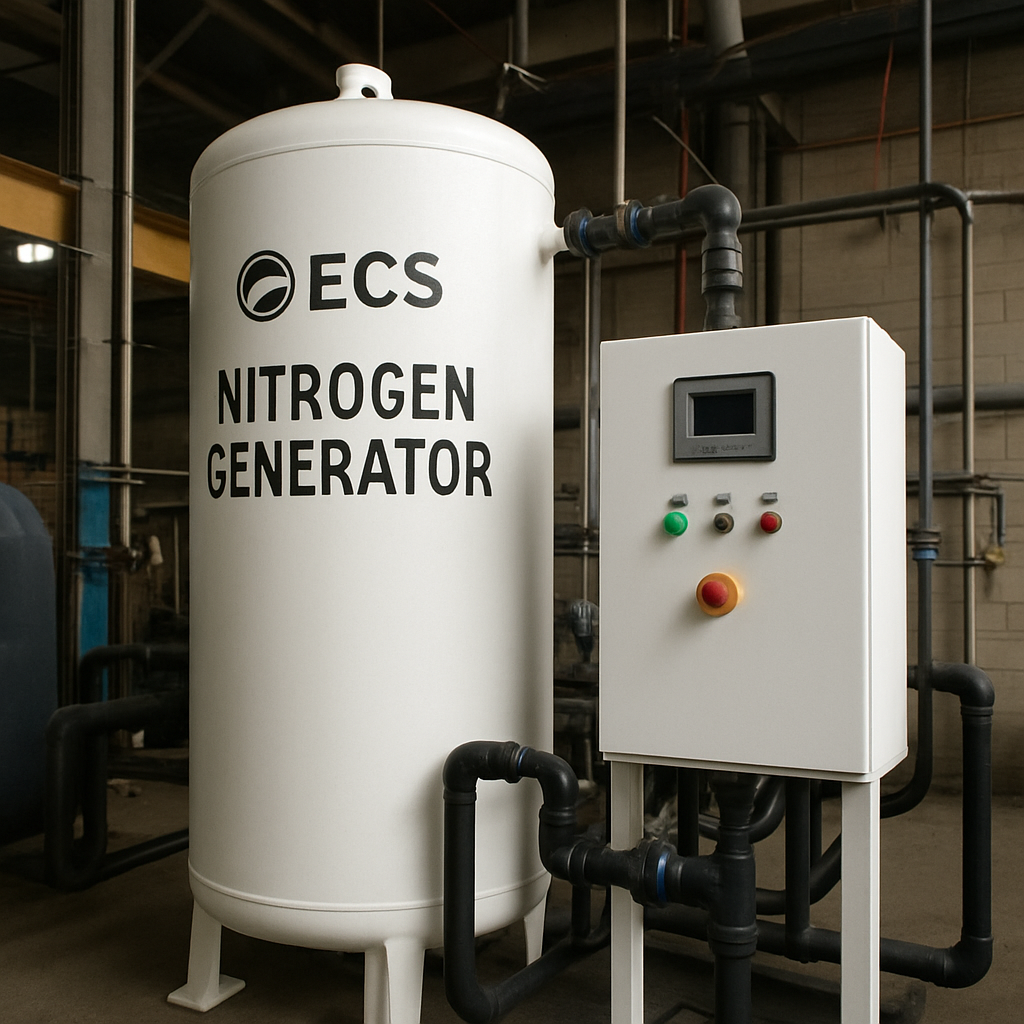
Nitrogen generators are pivotal in numerous industries, ensuring a steady and reliable supply of nitrogen gas for various applications. ECS nitrogen generators, known for their efficiency and reliability, are among the most preferred choices. However, like any industrial equipment, these generators require consistent upkeep to guarantee peak performance and extended service life. In this article, we delve into essential maintenance tips for ECS nitrogen generators, focusing on strategies to keep your nitrogen generation system operating smoothly and efficiently.
Understanding ECS Nitrogen Generators
Before we explore maintenance strategies, it is crucial to grasp the fundamental aspects of ECS nitrogen generators and their operational dynamics. ECS, or Enhanced Control Systems, are sophisticated nitrogen generation units engineered to produce high-purity nitrogen gas directly on-site. They find extensive use across sectors like food packaging, electronics manufacturing, and pharmaceuticals, where maintaining consistent nitrogen purity and availability is non-negotiable.
Key Components of an ECS Nitrogen Generator
A comprehensive understanding of the primary components of an ECS nitrogen generator is instrumental in executing effective maintenance. These components include:
- Air Compressor: The air compressor is integral in supplying pressurized air, a critical input for the nitrogen generation process. Its performance directly influences the efficiency of the entire system.
- Air Dryer: Serving the essential function of moisture removal, the air dryer prevents contamination by ensuring that the compressed air is dry before it enters the nitrogen generator.
- Filtration System: This component is tasked with filtering out impurities and particulate matter from the air, safeguarding the quality of the nitrogen output.
- Nitrogen Separation Unit: Central to the generator’s operation, this unit is responsible for isolating nitrogen from other atmospheric gases.
- Control System: The control system oversees the generator’s operations, ensuring that all components function harmoniously and efficiently.
Each component is vital for the nitrogen generator’s overall performance, necessitating routine checks and maintenance to sustain optimal operation and prevent costly downtimes.
Routine Maintenance Tasks
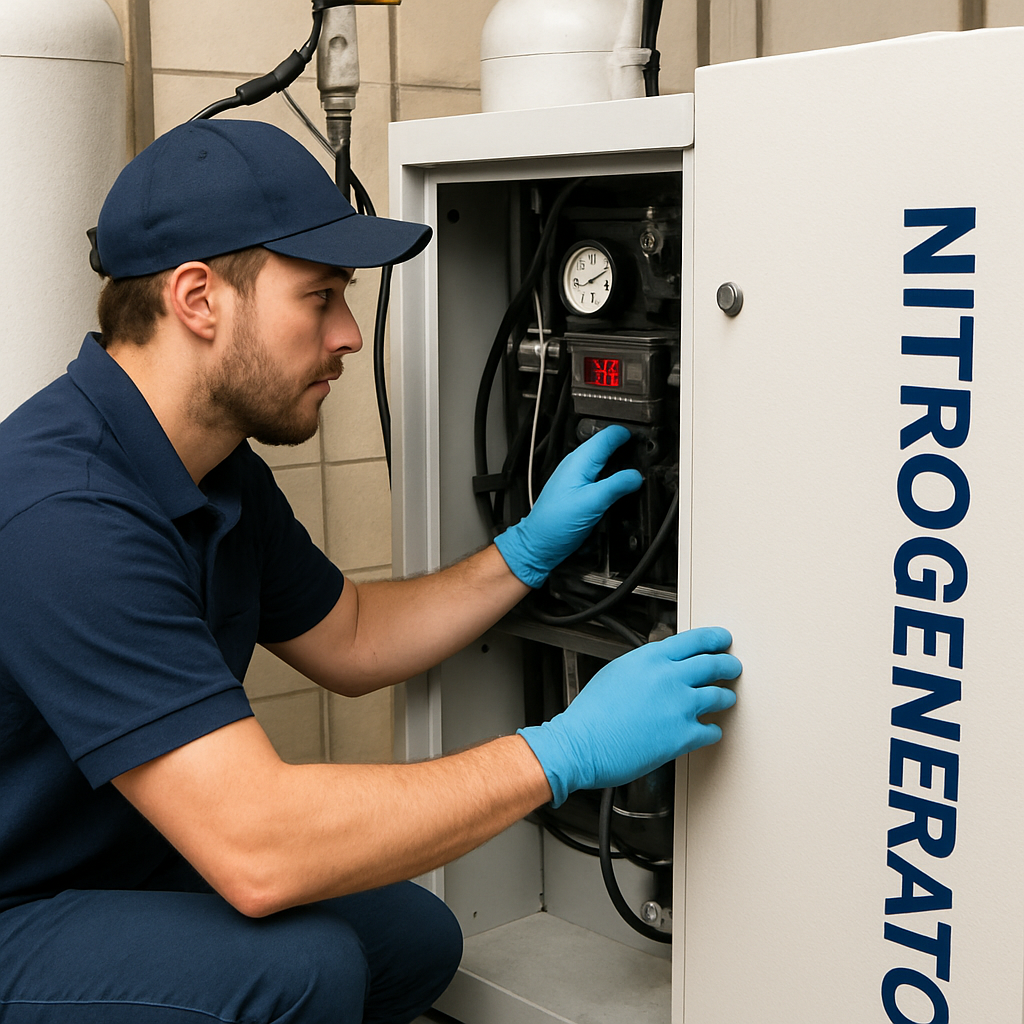
Regular maintenance tasks are pivotal in preventing unexpected breakdowns and extending the operational lifespan of your ECS nitrogen generator. Here are some fundamental maintenance tips to ensure your system remains in top shape:
1. Monitor Air Compressor Performance
The air compressor is often regarded as the heartbeat of the nitrogen generation system. Regular inspections for signs of wear, unusual noises, or performance changes are essential. Ensuring adequate ventilation can prevent overheating, a common cause of compressor failure. Additionally, cleaning or replacing air filters maintains optimal airflow, which is crucial for efficient operation.
2. Inspect and Clean the Air Dryer
The air dryer’s primary function is to eliminate moisture from compressed air. Frequent checks for damage or malfunctions are necessary to ensure it performs effectively. Cleaning the dryer components can prevent moisture buildup, which could otherwise compromise nitrogen purity. Promptly replacing worn or damaged parts is critical to avoid system contamination.
3. Maintain the Filtration System
The filtration system’s role in removing air impurities is crucial for maintaining nitrogen quality. Regular inspections and timely filter replacements prevent efficiency losses. Clogged or dirty filters not only decrease efficiency but also risk compromising the purity of the nitrogen gas, which could have adverse effects on sensitive applications.
4. Check the Nitrogen Separation Unit
The nitrogen separation unit is where the critical process of separating nitrogen from other gases occurs. Ensuring this unit is clean and free from blockages is paramount. Inspect for wear or damage regularly, replacing any compromised components to maintain optimal performance and prevent operational inefficiencies.
5. Test the Control System
The control system orchestrates the nitrogen generator’s entire operation. Routine tests ensure it functions correctly and any software or firmware updates are current. Regular updates are essential for maintaining compatibility with other systems and enhancing performance, helping prevent errors that could interrupt operations.
Preventive Maintenance Schedule
Establishing a preventive maintenance schedule is a cornerstone of ensuring the long-term reliability of your ECS nitrogen generator. Here’s a structured schedule to guide you:
- Daily: Start with a daily check of the air compressor for unusual noises or performance issues. Additionally, inspect the control system for any error messages that might indicate potential problems.
- Weekly: Dedicate time weekly to inspect and clean air filters. It’s also essential to check for leaks in hoses and connections, as these can lead to significant efficiency losses if left unattended.
- Monthly: Conduct monthly tests on the air dryer and filtration system to ensure all components are functioning correctly. This proactive approach helps catch issues before they escalate.
- Quarterly: Every quarter, perform a comprehensive inspection of the entire nitrogen generation system. This includes replacing any worn or damaged parts to prevent unexpected failures.
- Annually: An annual full system audit is crucial, including a detailed analysis of nitrogen purity and output. Consulting with a professional technician for a thorough evaluation and tune-up ensures your system remains at peak performance.
Troubleshooting Common Issues
 by Georg Eiermann (https://unsplash.com/@georgeiermann)
Even with regular maintenance, issues with your ECS nitrogen generator can arise. Here are some common problems and their potential solutions:
1. Reduced Nitrogen Purity
A drop in nitrogen purity can be alarming. Begin by checking the filtration system for clogged filters, as these are often the culprit. Ensure the nitrogen separation unit functions correctly, and if issues persist, engage a technician for a more detailed analysis to avoid compromising your operations.
2. Decreased Output or Efficiency
Decreased output or efficiency can often be traced back to a malfunctioning air compressor or air dryer. Conduct thorough inspections of these components for signs of wear or damage. Timely cleaning or replacing parts can restore efficiency and prevent prolonged downtimes.
3. Unusual Noises or Vibrations
Unusual noises or vibrations often signal mechanical issues within the air compressor or other system components. A thorough inspection is necessary to pinpoint the source of the problem. Addressing these issues promptly can prevent further damage and ensure continued operational stability.
4. Control System Errors
Control system errors can disrupt operations significantly. First, check for software updates or firmware issues. A system reset might resolve temporary glitches, but persistent problems warrant consultation with a technician to prevent prolonged disruptions.
Conclusion
Regular maintenance is crucial for the reliability and efficiency of your ECS nitrogen generator. By adhering to these maintenance tips and implementing a preventive maintenance schedule, you can significantly extend the lifespan of your nitrogen generation system while maintaining optimal performance. A well-maintained generator not only ensures a consistent nitrogen supply but also enhances the overall productivity and success of your operations. Prioritizing maintenance is a strategic investment in the longevity and effectiveness of your industrial processes.