You know that heavy sensation when your legs turn to lead halfway through a run or workout? That physical “wall” often feels like a sheer lack of energy, but biology suggests it is actually a traffic jam in your circulation. When your muscles scream for air, your body struggles to deliver oxygen fast enough through narrowed vessels.
This is where a nitrogen booster comes into play, though not in the industrial sense. While farmers focus on the role of macronutrients in plant development for crops, your body uses specific amino acids to create a gas called Nitric Oxide. Think of this molecule as a cellular signal that tells your blood vessels to relax and widen.
By expanding these internal highways, fresh oxygen reaches tired tissue more efficiently. Instead of fighting against resistance, your heart can deliver fuel exactly where it is needed, helping you sustain performance longer.
The Garden Hose Effect: How Nitrogen Turns Into Blood Flow
Imagine trying to water a massive lawn through a thin drinking straw. The pressure might be high, but you simply aren’t getting enough water where it needs to go. Your circulatory system faces a similar challenge during intense exercise when your muscles demand more oxygen than usual. To solve this, your body relies on a biological process that widens the delivery routes rather than just forcing the heart to pump harder against resistance.
This widening process is officially called vasodilation. Think of your blood vessels like a flexible garden hose. When you are resting, the hose is relatively narrow. A nitrogen booster helps flip the switch that relaxes the walls of those vessels, effectively turning the nozzle to the “wide” setting. By expanding the diameter of your blood vessels, you allow a greater volume of nutrient-rich blood to flow freely without placing extra strain on your cardiovascular system.
Unlike a factory setting where a mechanical nitrogen booster compressor or a heavy-duty nitrogen gas booster pump physically forces pressure through metal pipes, your body uses a gentle chemical signal to achieve this flow. The inner lining of your blood vessels, known as the endothelium, waits for a specific command. When Nitric Oxide is present, it signals these endothelial cells to relax their grip, creating a smooth, expanded pathway for traffic to move.
The result is what gym-goers often call “the pump,” but the physiological reality is simply improved efficiency. With wider vessels, oxygen rushes to fatigued muscles while metabolic waste products are washed away faster. However, since commercial nitrogen boosters don’t actually contain the gas itself, your body needs specific raw materials to generate that signal.
The Bioavailability Factor: Why L-Citrulline Powers Your Internal System
Getting the right fuel into your system involves bypassing a strict gatekeeper: your digestive system. Many supplements fail because the key ingredients are destroyed by your liver before they ever reach your bloodstream. This measurement is called bioavailability—essentially, how much of what you consume actually survives digestion to create that boost in blood flow.
Think of this selection process like managing a delicate garden. A farmer learning how to increase soil nitrogen naturally might weigh the benefits of blood meal vs synthetic urea based on how well the earth absorbs them without causing damage. Your body requires similar care; while L-Arginine was once the standard choice for supplements, it has poor bioavailability and often causes stomach upset because it struggles to survive the digestive process.
L-Citrulline offers a smarter solution by acting as a biological stealth agent. Unlike an industrial nitrogen booster pump that forces pressure mechanically, L-Citrulline slips through the digestive tract intact and converts into Arginine inside the kidneys. This creates a sustained rise in Nitric Oxide levels, effectively “widening the highway” for blood flow without the traffic jam of indigestion.
Distinguishing between these two amino acids can save you from wasted money and physical discomfort:
- L-Arginine: Low absorption (approx. 20%), short duration of effect, high risk of bloating or digestive distress.
- L-Citrulline: High absorption (bypasses liver breakdown), sustained nutrient delivery, minimal side effects.
With your fueling strategy set, the next step is putting that improved circulation to work during actual movement.
From Stairs to Squats: Real-World Applications for Better Oxygen Delivery
Most people recognize that burning sensation during the last few reps of a workout, which signals that your muscles are running out of oxygen. A quality nitrogen booster doesn’t just pump you up visually; it improves the delivery system for essential nutrients to extend your endurance. Think of your body like a complex garden that requires precise internal care rather than the brute force application of high nitrogen fertilizers for lawn growth. When your circulation is optimized, oxygen-rich blood reaches the muscle fibers more efficiently, allowing you to squeeze out those crucial last two reps or climb a flight of stairs without feeling completely winded.
Recovery is just as critical as the exertion itself, specifically regarding how your system handles metabolic waste. If circulation is poor, byproducts like ammonia stagnate in your tissues, creating a damaging effect not unlike the yellowing signs of nitrogen toxicity in leaves where excess accumulation harms the organism. By maintaining dilated blood vessels after your workout, you ensure a biological “cleanup crew” remains active, flushing out these waste products to significantly reduce Delayed Onset Muscle Soreness (DOMS) the following day.
Consistent physical energy relies on maintaining this balance, helping you avoid the human equivalent of symptoms of nutrient deficiency in vegetables, such as wilting stamina or “pale” performance. Your heart works less to pump blood through relaxed arteries, meaning you preserve energy for daily tasks rather than wasting it fighting against tight blood vessels. To achieve this delicate physiological efficiency, you must know exactly what you are putting into your system.
Decoding the Supplement Label: How to Pick a Booster That Actually Delivers
Picking a supplement often feels like a guessing game, especially when companies hide specific amounts behind the term “proprietary blend.” This label trick allows manufacturers to under-dose expensive ingredients while claiming full benefits. Just as you wouldn’t blindly guess at the frequency of fertilizer application for lawns to avoid burning the grass, you shouldn’t rely on hidden ingredient amounts for your internal chemistry. A transparent nitrogen booster clearly lists exactly how much of each compound is inside because effective biology relies on precision, not mystery.
Timing and volume are the distinct factors separating a great workout from an expensive, ineffective drink. Most research suggests taking these compounds 30 to 60 minutes before exercise allows them to peak in your bloodstream right when you start sweating. Similar to slow-release fertilizer benefits for soil, proper timing ensures the “fuel” is available exactly when your muscles demand it, providing sustained support rather than a quick flash that fades before your final set.
Before heading to the checkout counter, use this quick filter to ensure you aren’t wasting money:
- Check the Dosage: Look for at least 6 grams of L-Citrulline or 3 grams of L-Arginine per serving.
- Verify the Source: Citrulline Malate is often preferred for that extra endurance kick.
- Reject Secrecy: If the label says “Proprietary Blend” instead of listing grams, put it back.
Your 3-Step Action Plan for Optimizing Your Internal Nitrogen System
You have moved beyond guesswork and can now use a nitrogen booster as a precise tool for better circulation. Just as understanding the nitrogen cycle in soil is vital for nature, grasping your body’s needs transforms your fitness results.
Treat water and nitrate-rich foods as your foundation—similar to composting for soil nutrient enrichment—to ensure your supplements have the raw materials to fuel a sustainable, energized daily routine.
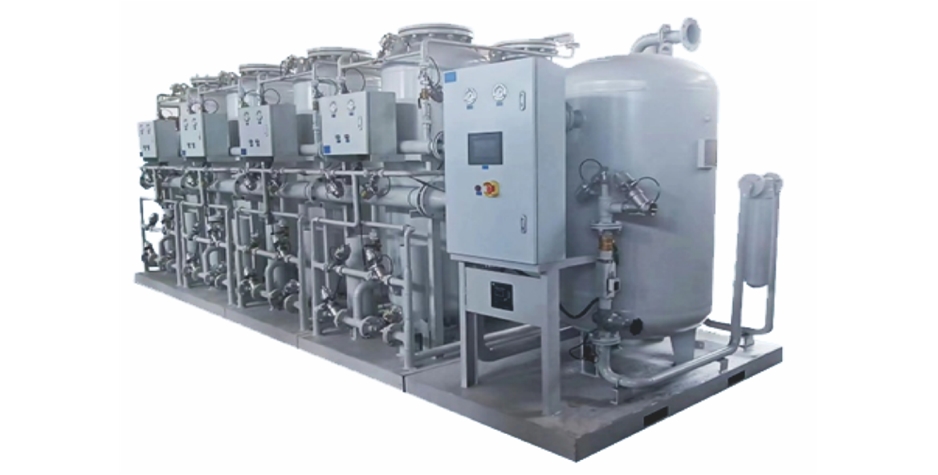
Shenzhen Yuhan Electronic Technology Co., Ltd. and Suzhou Hongjinli Gas Equipment Co., Ltd. specialize in PSA nitrogen generators, oxygen generators, nitrogen purification systems, and gas equipment solutions. Our expertise spans industries including SMT manufacturing, semiconductor packaging, optoelectronics, and food and pharmaceutical storage.