Nitrogen boosters are vital in many industries. They increase the pressure of nitrogen gas for various applications. But what exactly are they, and how do they work?
Many myths surround nitrogen boosters. Some believe they are unsafe or inefficient. These misconceptions can lead to confusion and misuse.
Understanding the facts about nitrogen boosters is crucial. They are designed to handle high-pressure tasks safely and efficiently. Proper knowledge can help in selecting the right equipment.
This article will explore the myths and facts about nitrogen boosters. We’ll discuss their types, benefits, and applications. By the end, you’ll have a clear understanding of these essential devices.
What Is a Nitrogen Booster?
A nitrogen booster is a device that increases the pressure of nitrogen gas. It’s essential in industries like oil and gas, aerospace, and manufacturing. These boosters help achieve high-pressure levels needed for specific applications.
There are different kinds of nitrogen boosters available. These include nitrogen booster compressors and nitrogen booster pumps. Each type has unique characteristics and applications.
Nitrogen boosters can be powered in various ways. Common power sources are electric, pneumatic, and hydraulic systems. The choice of power source depends on specific industrial needs and conditions.
Key characteristics of nitrogen boosters include:
- High-pressure capability
- Versatile power options
- Various configurations for different applications
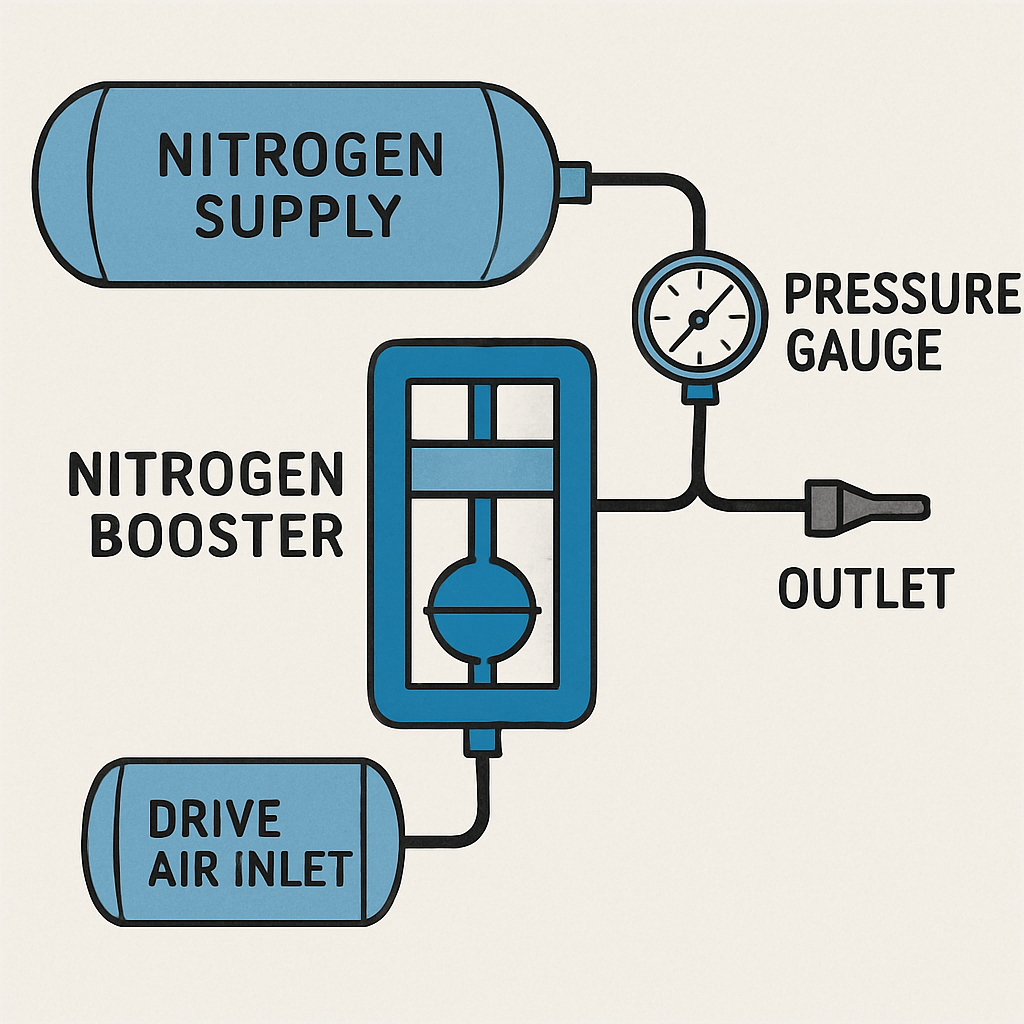
Nitrogen boosters are crucial for operations requiring precise control of gas pressure. They play a significant role in ensuring operational efficiency and safety. Understanding their functionalities can help in choosing the right booster for your needs.
Common Myths About Nitrogen Boosters
There are many myths about nitrogen boosters that need addressing. These misconceptions can lead to misuse or underutilization. Let’s debunk a few of these common myths.
One myth is that nitrogen boosters are unsafe. This belief is largely unfounded. Properly used and maintained, they are safe and reliable. Most boosters come equipped with safety measures like pressure relief valves.
Another myth is that they are inefficient or energy-wasting. In reality, many modern boosters are designed for efficiency and effectiveness. High-quality nitrogen boosters often result in energy savings and reduced gas waste.
Some believe boosters only apply to high-tech industries. However, their use extends to simpler applications too. Industries such as tire inflation and chemical processing also benefit from nitrogen boosters.
Common myths include:
- Boosters are unsafe
- Boosters are inefficient
- Limited to high-tech industries
Understanding the facts can help in better utilization of nitrogen boosters, maximizing their potential in various industries.
The Facts: How Nitrogen Boosters Really Work
Nitrogen boosters serve a critical role in high-pressure applications. They increase the pressure of nitrogen gas, essential in many industries. Their operation involves compressing nitrogen to the required pressure levels.
These devices can be powered by various sources. Options include electric, pneumatic, and hydraulic systems. Each type offers unique advantages depending on specific requirements and available infrastructure.
The primary component in any booster is the compressor. A nitrogen booster compressor elevates gas pressure for use in demanding applications. Whether for pressure testing or gas transfer, the nitrogen booster ensures reliable performance.
Advancements in technology have made modern boosters more efficient. Designs are more compact yet capable of handling higher pressures than before. This makes them adaptable and suitable for diverse industrial settings.
Key functions of nitrogen boosters include:
- Increasing nitrogen gas pressure
- Supporting high-pressure applications
- Operating efficiently under demanding conditions
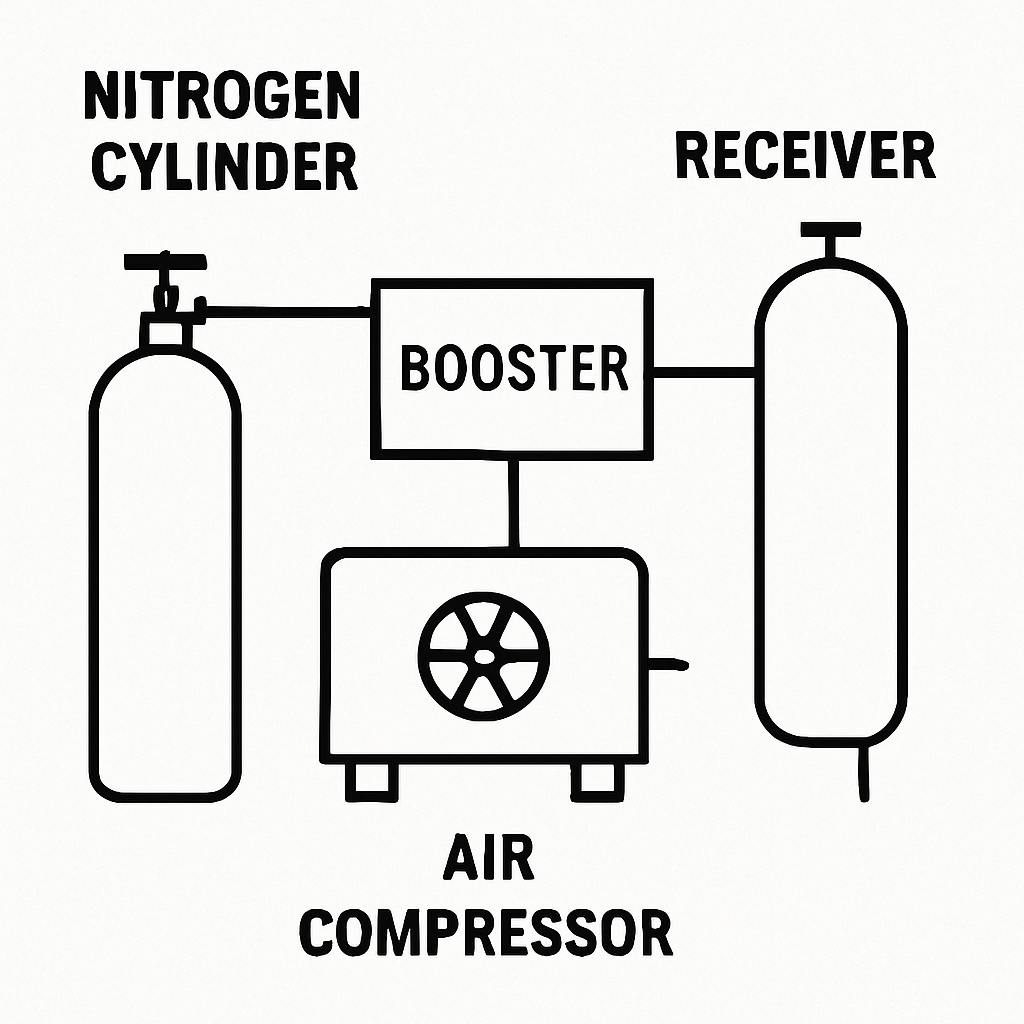
For users, understanding these facts aids in optimizing the benefits of nitrogen boosters. It also ensures they choose the right equipment tailored to their needs.
Types of Nitrogen Boosters and Their Applications
Nitrogen boosters come in various forms, each suited for distinct tasks. Understanding these types can enhance industrial efficiency. Key distinctions lie in their design and application.
First, there is the nitrogen booster compressor. This type compresses nitrogen gas to higher pressures. It is vital for tasks like pressure testing and leak detection. The compressor’s reliability ensures consistent high-pressure output.
Another variant is the nitrogen booster pump. These pumps elevate pressure for applications needing precise control. They are crucial in operations such as gas transfer and hydraulic systems. Their precision makes them indispensable in sensitive environments.
Some boosters are specifically designed for mobile applications. These portable nitrogen gas booster pumps offer flexibility. They can be easily transported to remote sites where on-demand gas pressure is needed.
In summary, the main types of nitrogen boosters include:
- Nitrogen booster compressors
- Nitrogen booster pumps
- Portable nitrogen gas booster pumps
Selecting the right booster depends on your specific industrial needs. Consider factors such as application requirements and available power sources.

by Vertex Designs (https://unsplash.com/@vertex_800)
Key Benefits of Using Nitrogen Boosters
Utilizing nitrogen boosters offers several significant benefits. They enhance the efficiency of industrial operations by optimizing gas pressure.
One major advantage is cost savings. Nitrogen boosters improve gas usage and minimize waste. This efficiency can lead to reduced operational costs over time.
Furthermore, nitrogen boosters provide reliable performance under demanding conditions. Their design ensures safety and consistency, which is crucial for high-pressure applications.
Benefits of nitrogen boosters include:
- Improved efficiency in gas usage
- Cost savings through reduced waste
- Reliable and safe high-pressure performance
Overall, nitrogen boosters help streamline processes and ensure precise control, delivering a dependable nitrogen supply for various applications.
Safety, Maintenance, and Best Practices
Safety is paramount when using nitrogen boosters. Operators must understand the equipment’s specifications to prevent mishaps. Proper training ensures safe handling and operation.
Regular maintenance plays a vital role in extending the lifespan of nitrogen boosters. Scheduled inspections can identify potential issues before they escalate. This proactive approach leads to long-term reliability.
Incorporating best practices ensures optimal performance. Always follow manufacturer guidelines and keep records of maintenance activities.
Key safety and maintenance tips include:
- Conduct regular inspections
- Follow manufacturer safety guidelines
- Provide adequate training for operators

by National Cancer Institute (https://unsplash.com/@nci)
By focusing on safety and maintenance, businesses can ensure their nitrogen boosters operate smoothly, which is crucial for preventing downtime and enhancing system reliability.
Choosing the Right Nitrogen Booster for Your Needs
Selecting the appropriate nitrogen booster involves considering several factors. The first step is identifying your specific pressure requirements. It’s crucial to match the booster’s capabilities with your intended industrial application.
Different nitrogen boosters are powered by various sources like electric, pneumatic, or hydraulic systems. Your choice might depend on your facility’s existing infrastructure. Ensure compatibility to maximize efficiency and integration.
Additional factors include budget constraints and space availability. Detailed evaluation of these elements will guide your decision.
Consider these points when choosing your nitrogen booster:
- Pressure requirements of your application
- Available power sources
- Budget and space constraints
A well-chosen nitrogen booster can enhance operational efficiency and offer significant cost savings over time. Proper selection is key to achieving optimal performance in industrial processes.
Contact us for your Nitrogen Booster, +86 193 0864 1458