In the bustling world of chemical manufacturing, efficiency and safety are paramount. Among the many tools that chemical plants rely on, nitrogen generators have become indispensable. But what exactly is a nitrogen generator, and why is it so crucial in chemical manufacturing? This article delves into the significance of nitrogen generators, their functionality, and their benefits in the chemical industry.
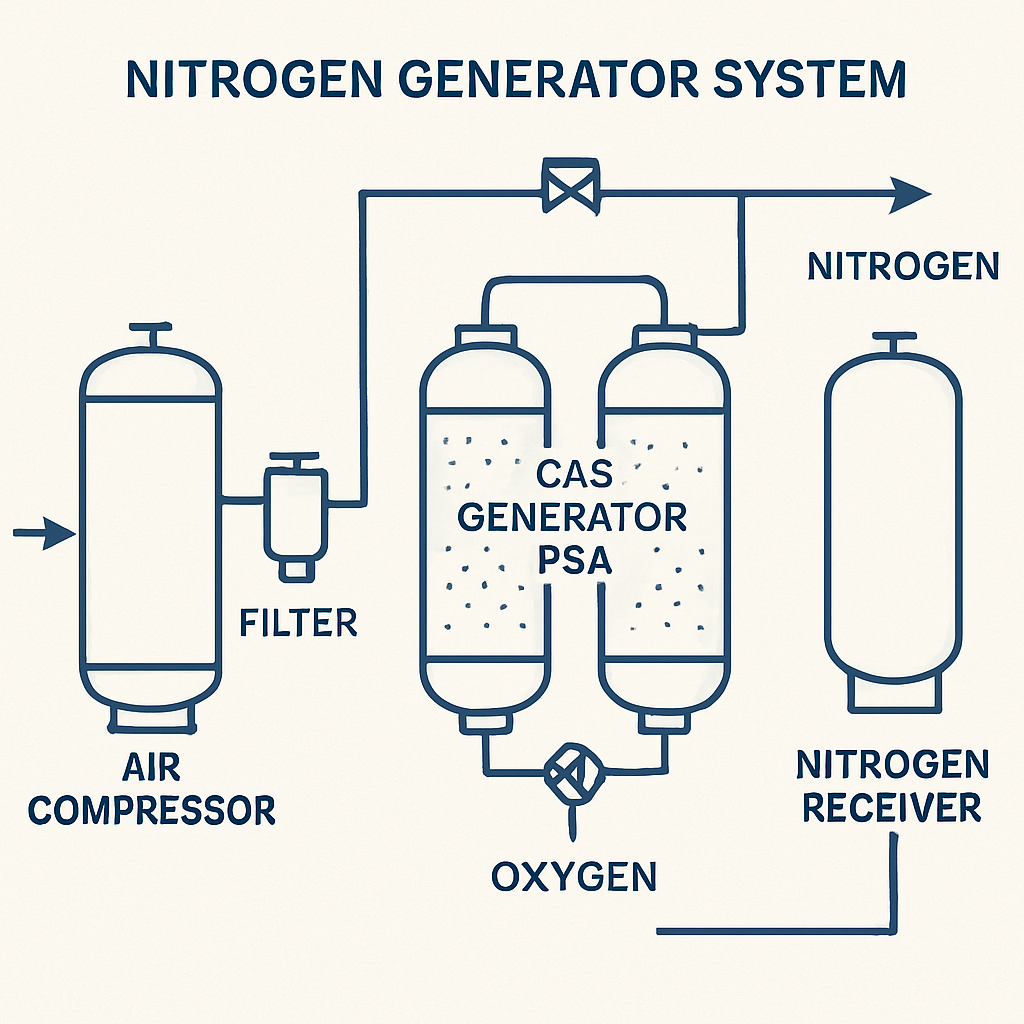
A nitrogen generator is a device that produces nitrogen gas from the air. Ambient air is composed of 78% nitrogen, 21% oxygen, and trace gases. Nitrogen generators separate the nitrogen from other gases, providing a continuous supply of pure nitrogen. This is achieved through two primary technologies: Pressure Swing Adsorption (PSA) and Membrane Technology.
Pressure Swing Adsorption (PSA)
PSA is a process that separates nitrogen from other gases by using adsorbent materials. These materials have a high affinity for oxygen and other trace gases, allowing nitrogen to pass through. The system operates in cycles, where adsorbents are regenerated to release the captured gases and are ready for the next cycle.
Membrane Technology
This technology uses semi-permeable membranes to separate nitrogen from compressed air. The membranes allow smaller molecules like oxygen and water vapor to pass through, leaving a high concentration of nitrogen gas. Membrane technology is generally more compact and requires less maintenance than PSA systems.
Importance of Nitrogen Generators in Chemical Manufacturing
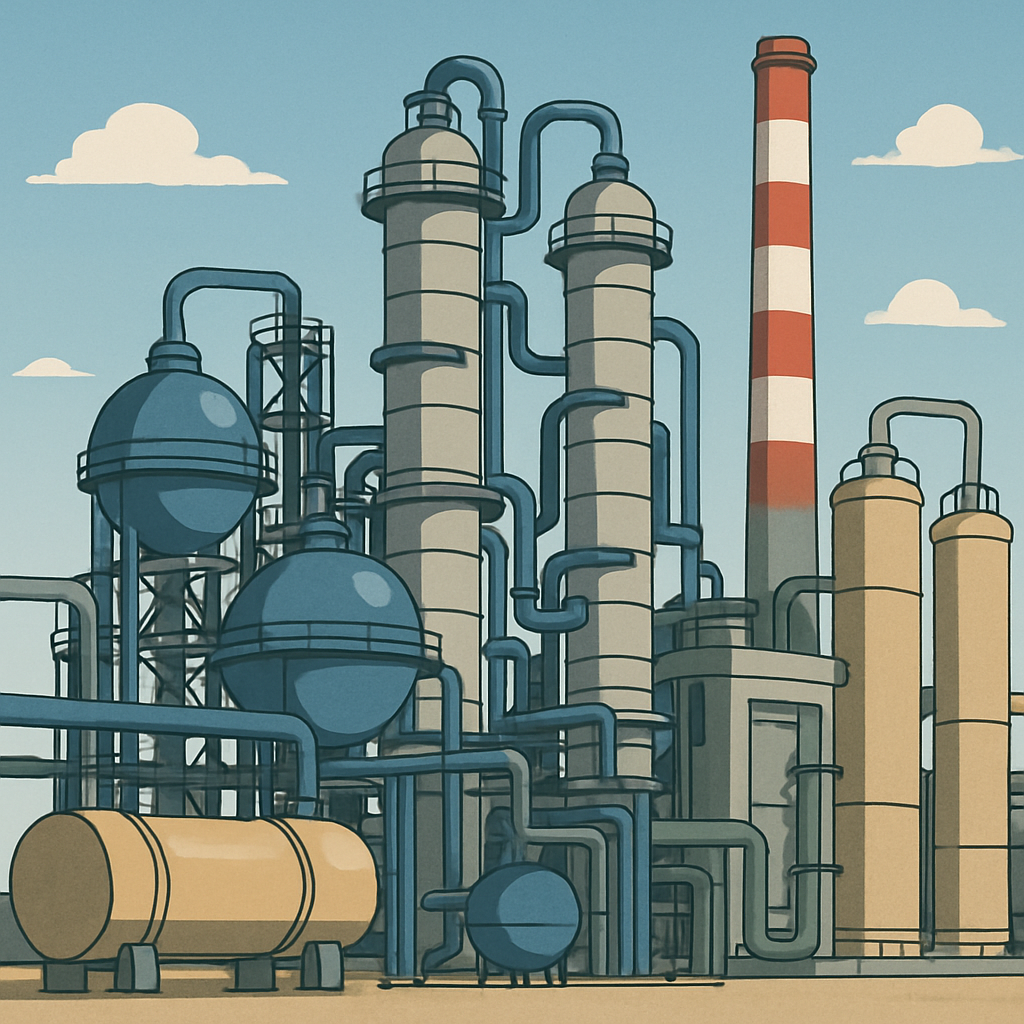
Chemical manufacturing involves reactions that can be highly sensitive to oxygen and moisture. Here’s why nitrogen generators are vital:
Inert Atmosphere Creation
Many chemical processes require an inert atmosphere to prevent unwanted reactions. Nitrogen, being a non-reactive gas, is ideal for creating such environments. This is crucial in preventing oxidation, reducing fire risks, and ensuring product quality.
Purging and Blanketing
Nitrogen is used to purge systems of hazardous gases and to blanket chemical storage tanks. This prevents contact with atmospheric oxygen, which can lead to contamination or dangerous reactions. Nitrogen blanketing is especially important in storing volatile chemicals.
Cost Efficiency
Using nitrogen generators on-site is more cost-effective than purchasing bottled nitrogen. It eliminates the logistics of transportation and storage, ensuring a constant supply of nitrogen gas without interruptions.
Environmental Benefits
On-site nitrogen generation reduces the carbon footprint associated with the transportation and handling of gas cylinders. It also minimizes the risk of gas leaks and accidents during transit.
How to Choose the Right Nitrogen Generator for Your Plant
Selecting the right nitrogen generator depends on several factors:
Purity Requirements
Chemical processes have specific purity requirements for nitrogen. Ensure the generator can produce nitrogen at the required purity level, whether it’s 95% or 99.999%.
Flow Rate
Determine the volume of nitrogen needed for your operations. Generators come in various capacities, so selecting one that meets your flow rate requirements is crucial.
Technology Preference
Decide between PSA and membrane technology based on your plant’s needs. PSA systems generally provide higher purity levels, while membrane systems are more compact and easier to maintain.
Maintenance and Operational Costs
Consider the long-term operational and maintenance costs. While initial investments may vary, the overall cost-effectiveness depends on the generator’s efficiency and durability.
Benefits of Using Nitrogen Generators in Chemical Manufacturing
 by Rural Explorer (https://unsplash.com/@ruralexplorer)
Enhanced Safety
Nitrogen generators contribute to a safer working environment by reducing the risk of fires and explosions. Inert atmospheres are crucial in handling flammable and reactive chemicals.
Consistent Supply
With an on-site nitrogen generator, there’s no worry about running out of nitrogen gas. This consistency is vital for continuous production processes.
Flexibility
On-site generation allows for flexibility in operations. Plants can adjust the nitrogen production according to their needs without being bound by supplier schedules.
Quality Assurance
By minimizing contamination risks, nitrogen generators help maintain the integrity and quality of chemical products. This assurance is crucial in industries where product purity is non-negotiable.
Real-World Applications in Chemical Manufacturing
Pharmaceutical Industry
In pharmaceuticals, nitrogen is used to create inert atmospheres for sensitive drug manufacturing. It prevents oxidation and maintains the efficacy of active ingredients.
Food and Beverage Sector
In food processing, nitrogen is used to displace oxygen in packaging, extending the shelf life of products. This application highlights the versatility of nitrogen in various manufacturing sectors.
Oil and Gas Industry
Nitrogen purging is essential in the oil and gas sector to remove flammable gases from pipelines and storage tanks, ensuring safe maintenance and operations.
Conclusion
In the fast-paced world of chemical manufacturing, nitrogen generators play a pivotal role in ensuring safety, efficiency, and product quality. By producing nitrogen on-site, chemical plants can achieve cost savings, environmental benefits, and operational flexibility. Whether it’s creating an inert atmosphere, purging hazardous gases, or ensuring product purity, nitrogen generators are indispensable tools in modern chemical manufacturing.
Investing in a nitrogen generator tailored to your plant’s needs can significantly enhance your operations, providing a competitive edge in the demanding chemical industry. With the right technology and setup, nitrogen generators can be a game-changer, ensuring seamless production and superior safety standards.
Shenzhen Yuhan Electronic Technology Co., Ltd. and Suzhou Hongjinli Gas Equipment Co., Ltd. specialize in PSA nitrogen generators, oxygen generators, nitrogen purification systems, and gas equipment solutions. Our expertise spans industries including SMT manufacturing, semiconductor packaging, optoelectronics, and food and pharmaceutical storage.