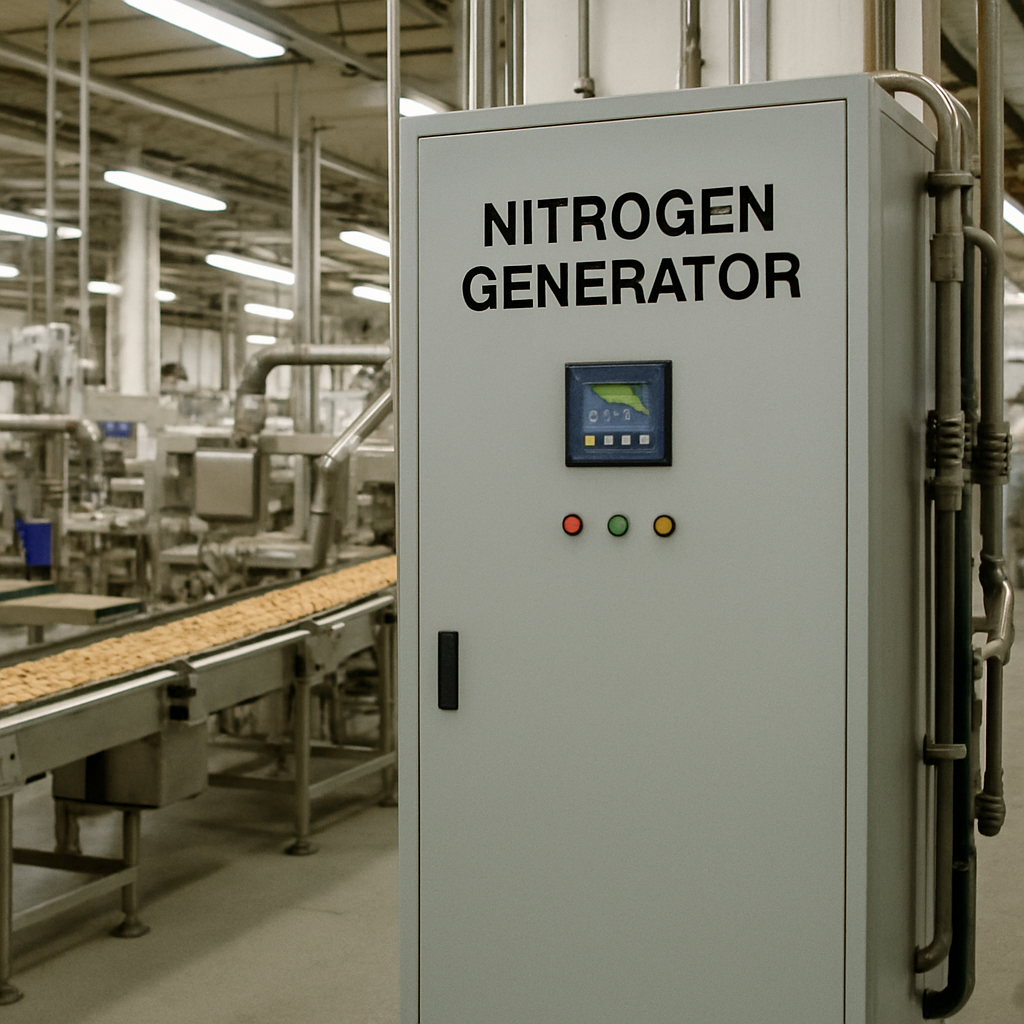
The food and beverage industry continually seeks innovative solutions to enhance product quality and shelf life. One such solution that is gaining traction is the use of nitrogen generators. These devices provide an efficient way to produce nitrogen gas on-site, offering numerous benefits over traditional methods of nitrogen supply. In this article, we will explore how nitrogen generators are transforming food packing, their benefits, and why they are essential for the food and beverage industry.
Understanding Nitrogen Generators
Nitrogen generators are devices that separate nitrogen molecules from the air, providing a pure, steady stream of nitrogen gas. Unlike traditional methods that rely on nitrogen gas cylinders, generators offer a more sustainable and cost-effective solution. They primarily use two technologies: Pressure Swing Adsorption (PSA) and Membrane Technology.
Pressure Swing Adsorption (PSA)
PSA technology operates by using compressed air that passes through a material called a carbon molecular sieve. This sieve adsorbs oxygen, allowing nitrogen to pass through as a pure gas. PSA systems are known for their high purity levels and are suitable for applications requiring high nitrogen concentrations.
Membrane Technology
Membrane technology, on the other hand, uses a series of hollow fiber membranes to separate nitrogen from other gases in the air. This method is often more energy-efficient and requires less maintenance. It is ideal for applications where lower purity levels are acceptable.
Why Nitrogen is Essential in Food and Beverage
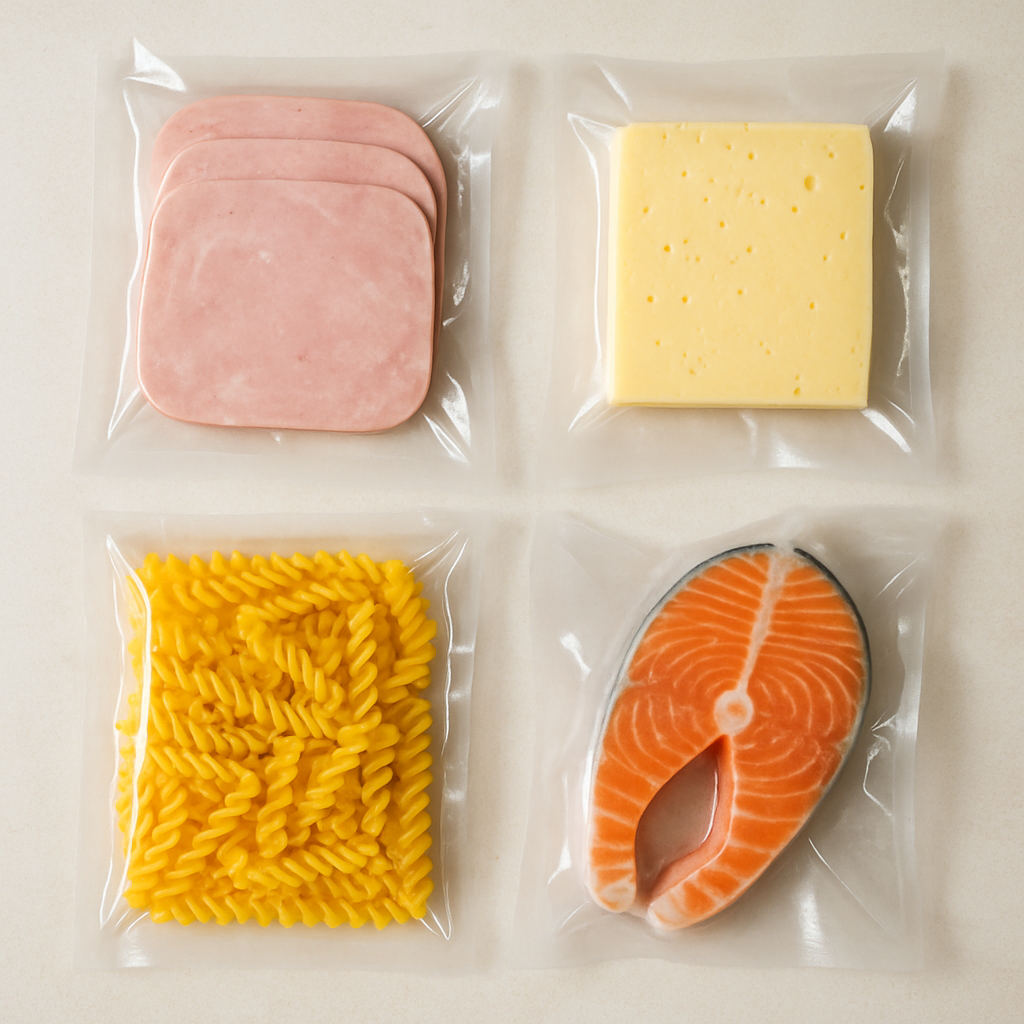
Nitrogen plays a critical role in food preservation. It is an inert gas, meaning it does not react with food products. This quality makes it perfect for use in Modified Atmosphere Packaging (MAP), where the air inside the packaging is replaced with nitrogen to prolong shelf life.
The Role of Nitrogen in Food Packing
By displacing oxygen, nitrogen reduces oxidation, which is the primary cause of spoilage and rancidity in food products. This process helps in maintaining the flavor, color, and texture of the food. Moreover, nitrogen can fill the headspace in packaging, providing a cushion that protects fragile food items from damage during transportation.
Benefits for the Beverage Industry
In the beverage industry, nitrogen is used to pressurize cans and bottles, ensuring product freshness and extending shelf life. For example, in the beer industry, nitrogen can create a smooth and creamy texture, enhancing the drinking experience.
Advantages of On-Site Nitrogen Generators
Switching to on-site nitrogen generation offers several advantages:
Cost Efficiency
One of the most significant benefits is cost savings. By generating nitrogen on-site, companies can eliminate the expenses associated with purchasing, transporting, and storing nitrogen cylinders. This reduction in logistical costs can lead to substantial savings over time.
Consistent Supply
A nitrogen generator ensures a constant supply of gas, eliminating the risk of running out of nitrogen during critical production times. This reliability is crucial for maintaining continuous operations and preventing costly downtime.
Environmental Benefits
On-site generation reduces the carbon footprint associated with transporting nitrogen gas. Additionally, it minimizes the waste from used gas cylinders, contributing to a more sustainable operation.
Applications in the Food and Beverage Industry
 by Nathan Rimoux (https://unsplash.com/@nathan_rmx)
Nitrogen generators are versatile and can be used in various applications within the food and beverage sector:
Food Packaging
In food packaging, nitrogen is used to flush out oxygen from the package. This process is common in packaging snacks, coffee, nuts, and other perishable goods.
Beverage Production
In beverage production, nitrogen is used to purge tanks, pressurize cans, and create nitrogen-infused drinks. It’s particularly popular in the craft beer industry for creating unique textures and flavors.
Preservation of Fresh Produce
For fresh produce, nitrogen helps in delaying the ripening process, extending the freshness of fruits and vegetables during storage and transportation.
Implementing Nitrogen Generators: Considerations
When considering the implementation of a nitrogen generator, several factors should be taken into account:
Purity Requirements
Determine the purity level required for your specific application. Some processes may require higher purity levels, while others can function efficiently with lower concentrations.
Capacity and Demand
Assess the capacity needs of your operation. Ensure that the generator can meet peak demand without compromising performance.
Maintenance and Support
Choose a system with robust support and maintenance services. Regular maintenance ensures the longevity and efficiency of the generator.
Conclusion: The Future of Food and Beverage Preservation
The adoption of nitrogen generators in the food and beverage industry is a game-changer. By providing a sustainable, cost-effective, and reliable source of nitrogen, these devices help enhance product quality and extend shelf life. As the industry continues to evolve, the role of nitrogen generators will undoubtedly expand, offering new possibilities for innovation in food preservation.
In conclusion, investing in a nitrogen generator can significantly benefit food and beverage companies, making them more competitive in the market. Whether you are a small business owner or a large-scale producer, understanding and leveraging this technology can lead to improved product quality and operational efficiency.