In the bustling world of food production, maintaining the quality and safety of products is paramount. One of the critical elements that play a significant role in ensuring freshness and longevity of food is nitrogen. In this article, we will delve into the importance of a nitrogen generator for food production, its benefits, and how it optimizes the food production process.
Understanding the Role of Nitrogen in Food Production
Nitrogen is an inert gas that makes up about 78% of the Earth’s atmosphere. It is colorless, odorless, and tasteless, which makes it ideal for use in food production. But why is nitrogen so crucial in this industry?
Preserving Freshness and Quality
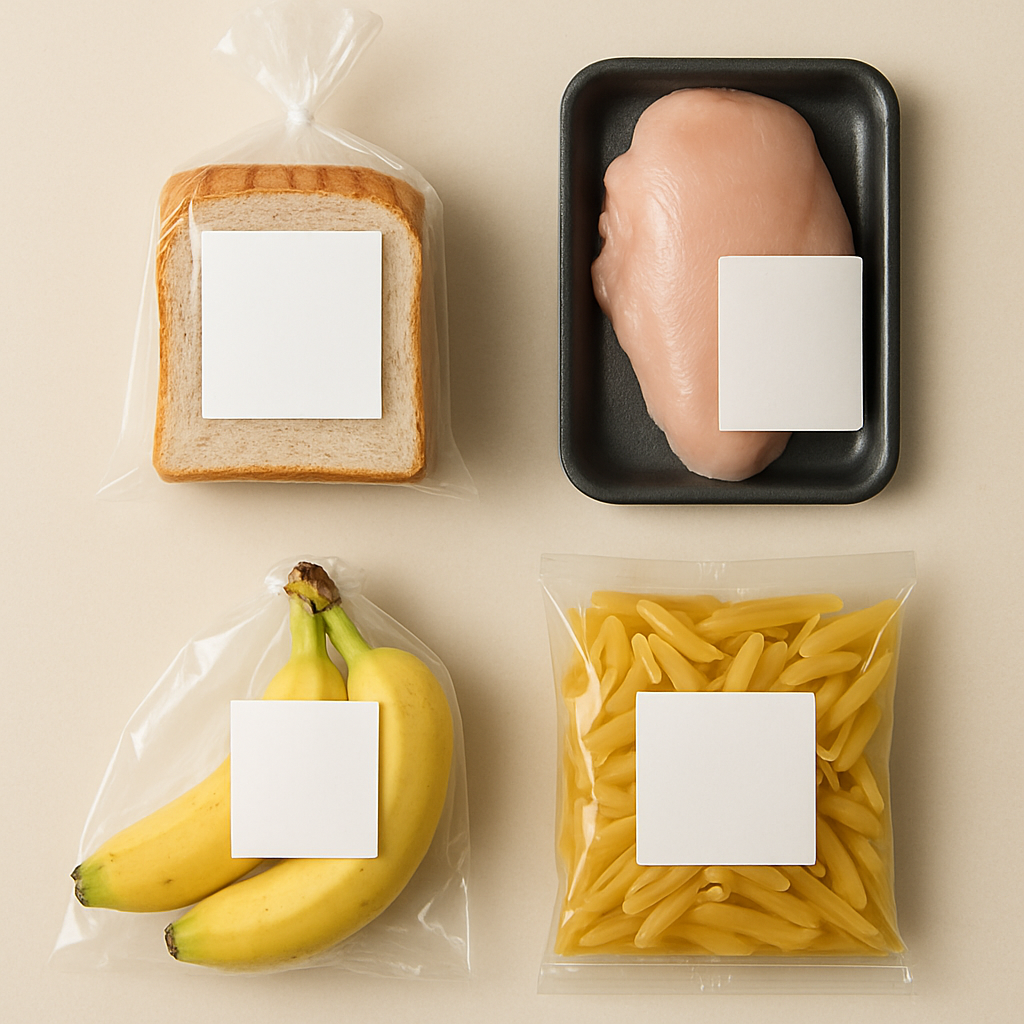
In food production, nitrogen is often used to displace oxygen. Oxygen can lead to oxidation, which can spoil food and degrade its quality. By replacing oxygen with nitrogen, food producers can significantly extend the shelf life of their products. This is particularly important for packaged foods, where maintaining freshness is a top priority.
Preventing Bacterial Growth
Bacteria and other microorganisms need oxygen to grow. By reducing the oxygen levels in food packaging, nitrogen helps prevent the growth of these harmful organisms. This not only keeps the food safe but also ensures that it remains fresh for a longer time.
Enhancing Product Appearance
For many food products, appearance is just as important as taste. Nitrogen helps maintain the color and texture of foods, especially in products like chips and snacks, where a crispy texture is desired.
What is a Nitrogen Generator?
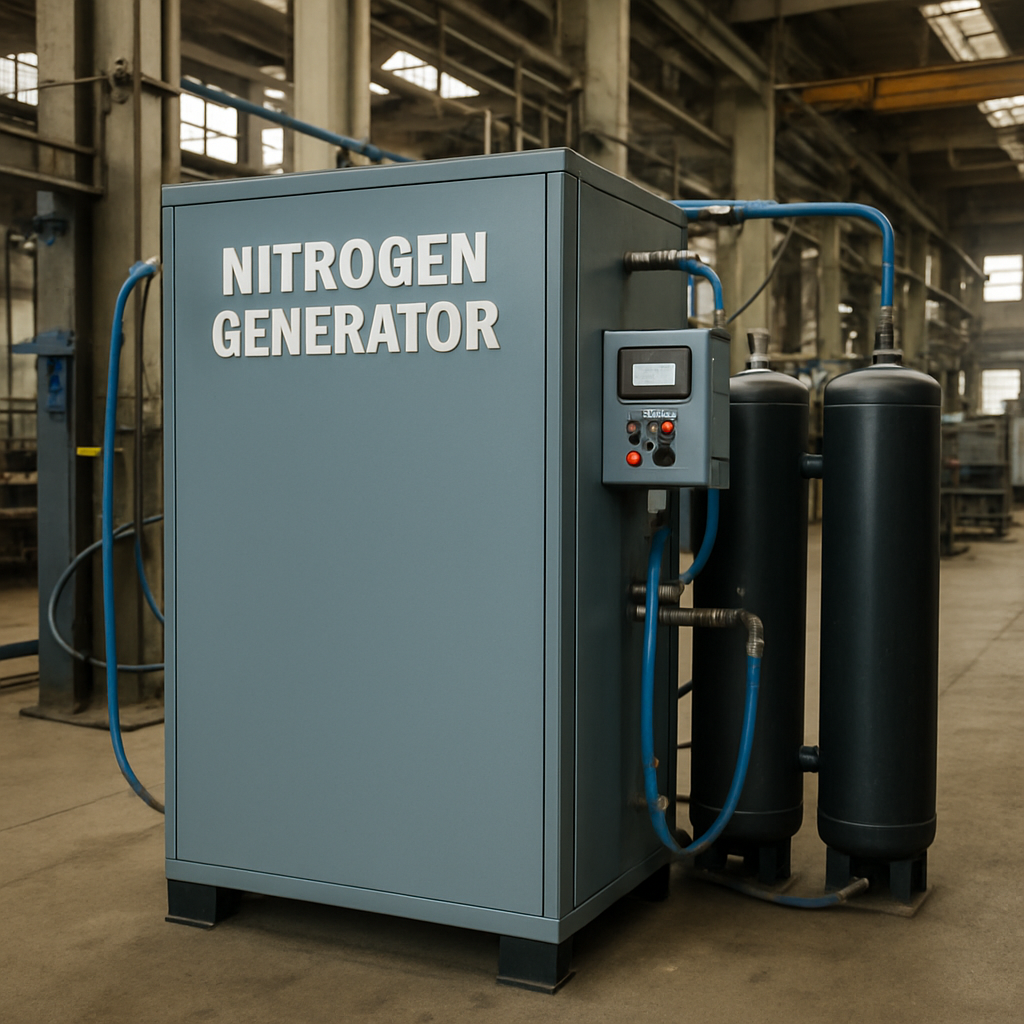
A nitrogen generator is a device that extracts nitrogen gas from the air and purifies it for use in various applications, including food production. There are different types of nitrogen generators, but they all work on the principle of separating nitrogen from other gases present in the air.
Types of Nitrogen Generators
- Pressure Swing Adsorption (PSA) Generators: These use a material called a molecular sieve to absorb oxygen and other gases, leaving behind high-purity nitrogen.
- Membrane Nitrogen Generators: These use semi-permeable membranes to separate nitrogen from other gases based on their different rates of permeation.
- Cryogenic Nitrogen Generators: These cool air to extremely low temperatures to liquefy and separate nitrogen from other components. While highly effective, they are often more suitable for large-scale operations due to their cost and complexity.
Benefits of Using a Nitrogen Generator in a Food Production Factory
Cost-Effectiveness
Using a nitrogen generator can significantly reduce the costs associated with purchasing and transporting bottled nitrogen. Once installed, these generators provide a continuous supply of nitrogen, reducing reliance on external suppliers.
Consistent Supply
Nitrogen generators ensure a consistent and reliable supply of nitrogen gas. This is crucial for food production factories that require a steady flow of nitrogen to maintain their operations without interruptions.
Environmental Benefits
Producing nitrogen on-site reduces the carbon footprint associated with transporting gas cylinders. It also minimizes waste, as there are no empty cylinders to dispose of.
 by Rodrigo Kambara (https://unsplash.com/@rodrigoeng)
Enhanced Safety
Handling and storing large quantities of compressed nitrogen gas can be hazardous. With an on-site nitrogen generator, the risks associated with handling high-pressure gas cylinders are greatly reduced.
Implementing a Nitrogen Generator in Your Food Production Factory
Assessing Your Needs
Before investing in a nitrogen generator, it’s important to assess your factory’s specific needs. Consider the volume of nitrogen required, the purity levels needed, and the space available for installation.
Choosing the Right Type
Select a nitrogen generator that aligns with your production requirements. For instance, if your factory demands high-purity nitrogen, a PSA generator might be the best choice. On the other hand, if space and budget are constraints, a membrane generator could be more suitable.
Installation and Maintenance
Proper installation is key to maximizing the benefits of a nitrogen generator. It’s advisable to work with experienced professionals who can ensure the system is set up correctly. Regular maintenance is also crucial to ensure the generator operates efficiently and has a long lifespan.
The Future of Nitrogen Generators in Food Production
As technology advances, nitrogen generators are becoming more efficient, compact, and easier to operate. The trend towards sustainability and reducing carbon footprints is likely to drive even greater adoption of on-site nitrogen generation in the food industry.
Furthermore, as food production processes become more automated, the integration of nitrogen generators with other systems will become increasingly seamless, offering even greater efficiency and cost savings.
Conclusion
In the competitive world of food production, staying ahead means optimizing every aspect of your operations. A nitrogen generator for food production not only preserves the quality and safety of your products but also offers significant cost savings and environmental benefits.
By investing in a nitrogen generator, food production factories can ensure a consistent, reliable, and safe supply of nitrogen, ultimately leading to higher quality products and increased customer satisfaction.
For those considering this investment, understanding your specific needs and choosing the right system is essential. With the right setup, a nitrogen generator can be a game-changer for your food production operations.