
What is Oxidation?
Oxidation is a chemical reaction that occurs when metal surfaces are exposed to oxygen. This reaction is particularly troublesome in the context of SMT processes, where it leads to the formation of oxide layers on critical surfaces such as solder pads and component leads. These oxide layers can act as barriers during soldering, inhibiting the necessary bonding between metals. As a result, the electrical pathways can become compromised, leading to poor performance of the electronic assembly.
The effects of oxidation are not just superficial. At a microscopic level, these oxide layers can create uneven surfaces, which further complicates the soldering process. This unevenness can cause irregular solder flow, leading to inconsistencies in the final product’s quality. Moreover, the presence of oxides can prevent the proper melting and flowing of solder, resulting in cold solder joints that are mechanically weak and electrically unreliable.
Why is Oxidation a Concern in SMT?
The presence of oxide layers can cause several issues during SMT processes. Oxidation can lead to poor solder wetting, which is a critical issue in establishing strong mechanical and electrical bonds. Incomplete or weak solder joints increase the likelihood of electrical failures, affecting the overall functionality and reliability of the finished product. The compromised joints may not withstand thermal and mechanical stresses, potentially leading to premature product failures in the field.
Moreover, oxidation increases the risk of defects such as solder bridging and opens, which are detrimental to the overall functionality of electronic assemblies. Solder bridging can cause short circuits, while open circuits can result in non-functional connections, both of which are costly to repair and can lead to product recalls. The presence of these defects can significantly impact the yield and efficiency of the manufacturing process, increasing operational costs and time-to-market.
Consequences of Ignoring Oxidation
Ignoring oxidation in SMT processes can have far-reaching consequences. It not only impacts the immediate quality of the product but can also affect the brand’s reputation and customer trust. Products that frequently fail or require recalls due to oxidation-related issues can lead to customer dissatisfaction and loss of market share. Additionally, the costs associated with warranty claims and repairs can erode profit margins, making it imperative for manufacturers to address this issue proactively.
Furthermore, the financial implications of ignoring oxidation extend beyond direct costs. The need for extensive quality control measures and rework can strain resources and divert focus from innovation and growth. In competitive markets, these inefficiencies can hinder a company’s ability to respond to market demands swiftly, ultimately impacting its competitive edge.
The Role of Nitrogen in Preventing Oxidation
How Does Nitrogen Help?
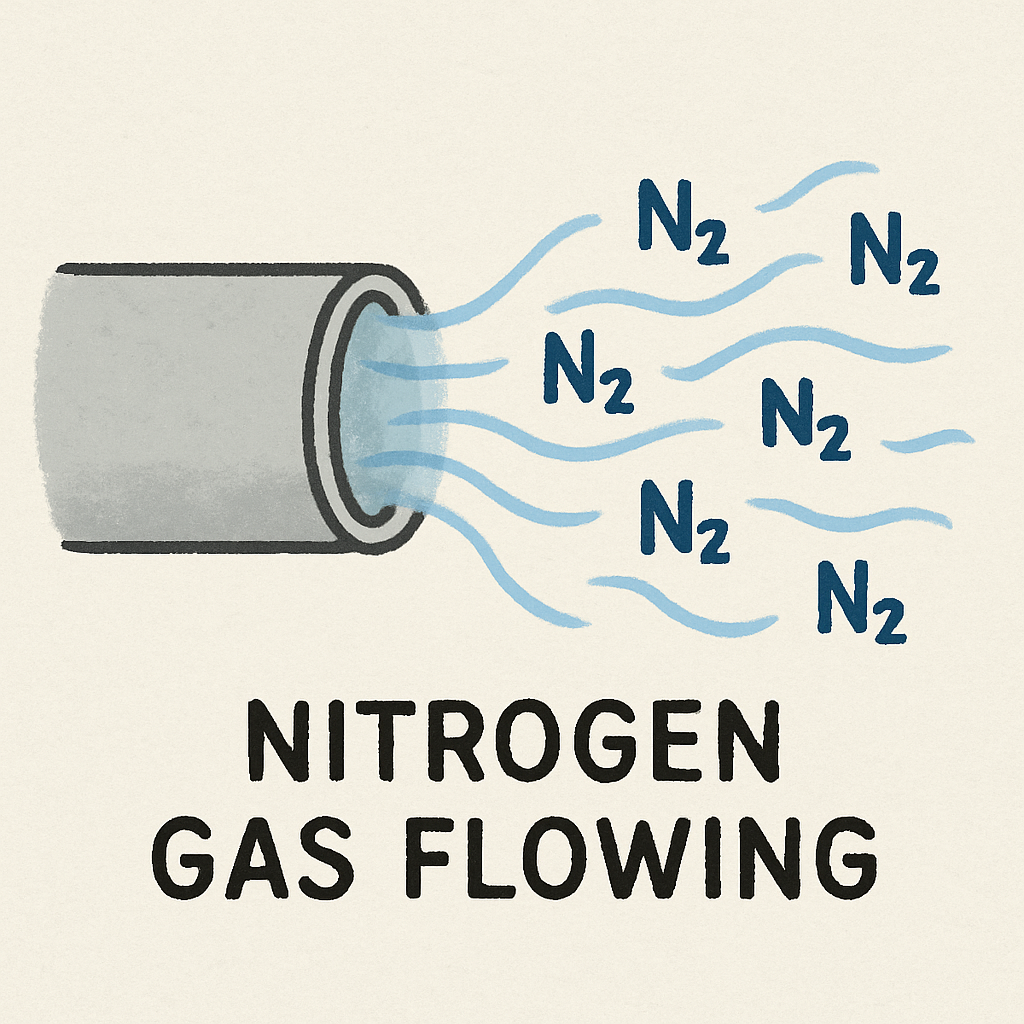
Nitrogen is an inert gas, meaning it doesn’t readily react with other substances. Introducing nitrogen into the SMT process environment effectively displaces oxygen, thereby significantly reducing the likelihood of oxidation. This inert atmosphere helps in maintaining the purity of metal surfaces, preventing the formation of oxide layers. By doing so, nitrogen ensures that the soldering process proceeds without hindrance, resulting in high-quality and reliable electronic assemblies.
An inert nitrogen atmosphere also helps in achieving consistent soldering results. With the reduced presence of oxygen, solder wetting improves, leading to stronger and more reliable solder joints. This is crucial for ensuring the long-term performance and reliability of electronic products, as strong solder joints are less prone to failures caused by mechanical stress or temperature fluctuations.
Benefits of Using On-Site Nitrogen
- Improved Soldering Quality: With reduced oxidation, solder wetting is enhanced, resulting in stronger and more reliable solder joints. This improvement directly contributes to the overall quality of electronic products, ensuring that they meet industry standards and customer expectations. Enhanced soldering quality also reduces the need for post-production inspections and rework, saving time and resources.
- Decreased Defect Rates: By minimizing the risk of oxidation-related defects, manufacturers can achieve higher yields and reduce the need for rework. This not only enhances production efficiency but also lowers production costs. Fewer defects mean less downtime and fewer disruptions in the manufacturing process, allowing for a more streamlined operation.
- Enhanced Product Reliability: Reliable solder joints translate to better electrical connections and improved overall product performance. Products with high reliability are more likely to satisfy customers and build brand loyalty. Enhanced product reliability also leads to fewer warranty claims and returns, contributing to a better bottom line for manufacturers.
- Cost Savings: On-site nitrogen generation can be more cost-effective in the long run compared to purchasing bottled nitrogen, reducing operational costs. By generating nitrogen on-site, manufacturers can eliminate the logistical challenges and costs associated with transporting and storing bottled nitrogen. This not only provides a steady and reliable supply of nitrogen but also offers flexibility in managing nitrogen usage based on production demands.
Environmental and Safety Considerations
Using on-site nitrogen generation systems also aligns with environmental and safety considerations. Nitrogen is a non-toxic and non-flammable gas, making it a safer choice for creating inert atmospheres compared to other potential alternatives. By reducing dependency on bottled nitrogen, manufacturers can lower their carbon footprint associated with transportation and storage.
Additionally, on-site nitrogen generation minimizes the risks associated with handling and storing compressed gas cylinders. This contributes to a safer working environment for employees, reducing the likelihood of accidents and injuries. Safety and sustainability are increasingly important factors for electronics manufacturers seeking to enhance their corporate social responsibility profiles.
Implementing On-Site Nitrogen Generation
 by ilgmyzin (https://unsplash.com/@ilgmyzin)
The Basics of On-Site Nitrogen Generation
On-site nitrogen generation involves the use of nitrogen generators, which produce high-purity nitrogen gas from ambient air. These systems typically utilize technologies such as Pressure Swing Adsorption (PSA) or Membrane Separation to separate nitrogen from other gases in the air. PSA systems work by using adsorbent materials that selectively trap other gases, allowing nitrogen to pass through. Membrane systems, on the other hand, use selective permeable membranes to separate nitrogen from other gases.
The choice between PSA and Membrane Separation depends on several factors, including the required nitrogen purity, production volume, and cost considerations. Both systems offer advantages in terms of efficiency and reliability, making them suitable for different manufacturing environments. The selection of an appropriate system is crucial to achieving optimal results and ensuring a steady supply of nitrogen to meet production needs.
Steps to Implement On-Site Nitrogen Generation
- Assess Your Needs: Evaluate the nitrogen requirements for your SMT processes, considering factors such as production volume and desired purity levels. This assessment should also take into account future production goals and potential expansion plans to ensure scalability of the nitrogen generation system.
- Choose the Right System: Select a nitrogen generation system that meets your specific needs. Consider factors like capacity, purity, and installation space. Collaborate with equipment suppliers to explore different options and choose a system that aligns with your production goals and budget constraints.
- Installation and Integration: Work with professionals to install the nitrogen generation system and integrate it into your existing SMT processes. Proper integration is key to maximizing the benefits of on-site nitrogen generation, as it ensures seamless operation and minimal disruption to existing workflows.
- Monitor and Maintain: Regularly monitor the system’s performance and conduct routine maintenance to ensure optimal operation and nitrogen purity. Implementing a preventive maintenance schedule can help identify potential issues before they lead to system failures, ensuring a consistent and reliable supply of nitrogen.
Training and Support
Implementing an on-site nitrogen generation system also involves training staff to operate and maintain the equipment. Providing comprehensive training ensures that employees are familiar with the system’s functionalities and can troubleshoot minor issues independently. Additionally, establishing a support network with equipment suppliers can provide technical assistance and spare parts when needed, minimizing downtime and maintaining efficiency.
Case Study: Successful Implementation of On-Site Nitrogen
Company X’s Experience
Company X, a leading electronics manufacturer, faced challenges with oxidation in their SMT processes, impacting their product quality and reliability. They decided to implement an on-site nitrogen generation system to address these issues. This decision was driven by the need to enhance product quality, reduce defect rates, and improve overall manufacturing efficiency.
Results Achieved
- Improved Soldering Quality: The introduction of nitrogen significantly reduced oxidation, resulting in stronger solder joints and fewer defects. This improvement led to a notable enhancement in the quality of their products, contributing to higher customer satisfaction and fewer returns.
- Increased Production Efficiency: With a decrease in rework and defect rates, Company X experienced higher production efficiency and reduced downtime. The streamlined manufacturing process allowed them to meet production targets more consistently and respond more swiftly to market demands.
- Cost Savings: The on-site nitrogen system provided a cost-effective solution compared to the ongoing purchase of bottled nitrogen. The reduction in operational costs, coupled with the improved efficiency, translated to higher profit margins and a stronger competitive position in the market.
Lessons Learned
Company X’s experience highlights the importance of thorough planning and evaluation before implementing an on-site nitrogen generation system. By carefully assessing their needs and selecting the right system, they were able to achieve significant improvements in product quality and operational efficiency. Their success serves as a valuable case study for other manufacturers considering similar solutions to address oxidation challenges.
Conclusion
Preventing oxidation in SMT processes is crucial for ensuring the quality and reliability of electronic assemblies. On-site nitrogen generation offers a practical and cost-effective solution by creating an inert atmosphere that minimizes oxidation and enhances soldering results. By implementing on-site nitrogen, electronics manufacturers can achieve improved soldering quality, reduced defects, and enhanced product reliability. As the demand for high-quality electronic products continues to grow, investing in on-site nitrogen generation is a wise choice for companies seeking to stay competitive in the industry.
Future Outlook
The future of electronics manufacturing will increasingly rely on innovative solutions like on-site nitrogen generation to maintain quality and efficiency. As technology advances and market demands evolve, manufacturers must adapt to new challenges and opportunities. On-site nitrogen generation not only addresses current issues related to oxidation but also positions manufacturers to take advantage of future advancements in SMT processes and technologies.
Call to Action
For electronics manufacturers looking to enhance their SMT processes and product quality, exploring on-site nitrogen generation is a strategic move. By partnering with experienced suppliers and leveraging the latest technologies, companies can achieve significant improvements in their production capabilities and market competitiveness. Now is the time to invest in solutions that ensure long-term success and sustainability in the fast-paced world of electronics manufacturing.