When considering nitrogen generation for your industrial or portable applications, you have two main technologies to choose from: Pressure Swing Adsorption (PSA) and Membrane Nitrogen Generators. Selecting the right nitrogen generator depends on your specific needs, application, and budget. This article will compare both technologies to help you make an informed decision.
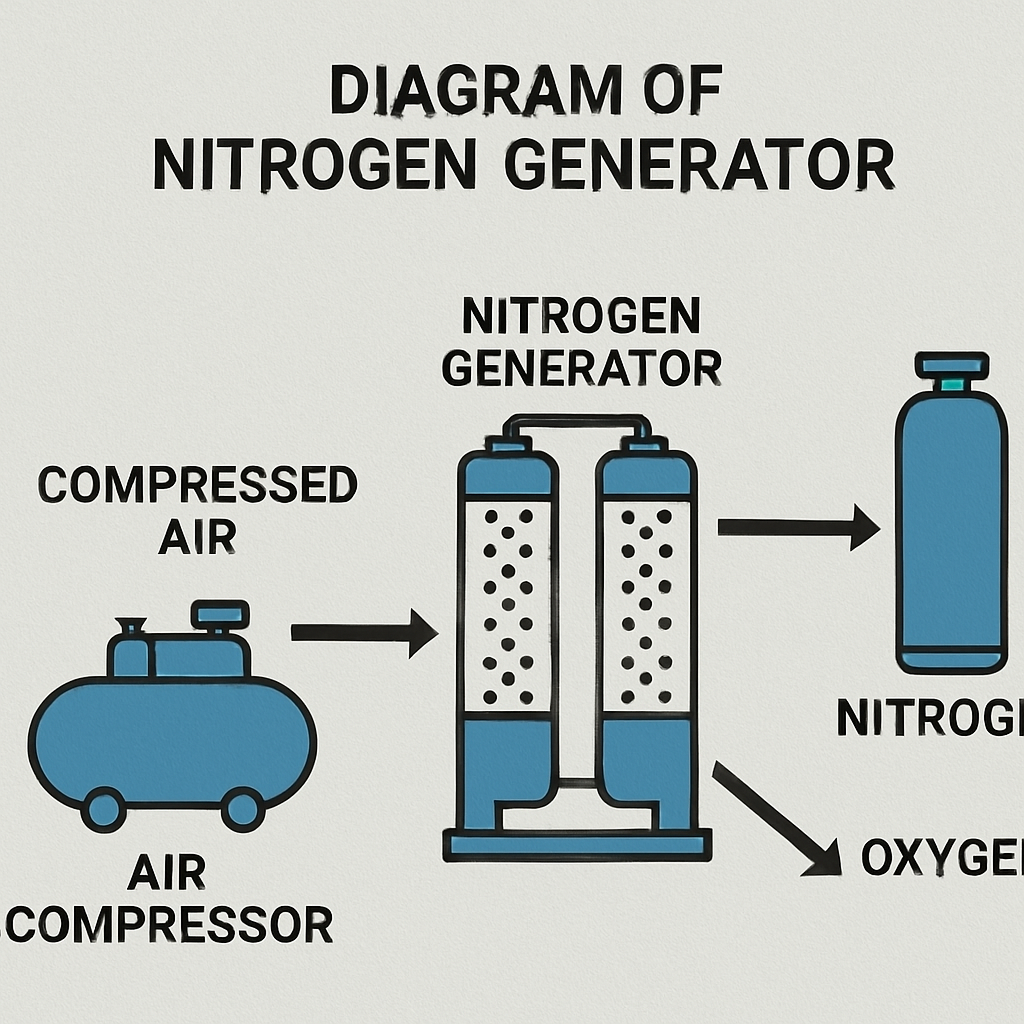
Nitrogen generators are systems designed to produce nitrogen gas from compressed air. They are used across various industries, including pharmaceuticals, food and beverage, electronics, and more. The two primary technologies employed are PSA and membrane separation, each with its own set of advantages and limitations.
What Are PSA Nitrogen Generators?
PSA nitrogen generators use a method called Pressure Swing Adsorption to separate nitrogen molecules from compressed air. This is achieved by using adsorbent materials, such as carbon molecular sieves, that capture oxygen and other gases, allowing nitrogen to pass through.
Key Features of PSA Nitrogen Generators
- High Purity Levels: PSA systems can achieve nitrogen purity levels up to 99.999%, making them suitable for applications requiring high-purity nitrogen.
- Versatility: These generators are adaptable to various industrial applications, including chemical manufacturing and food packaging.
- Long Lifespan: With proper maintenance, PSA nitrogen generators can last for several years, providing a reliable source of nitrogen.
What Are Membrane Nitrogen Generators?
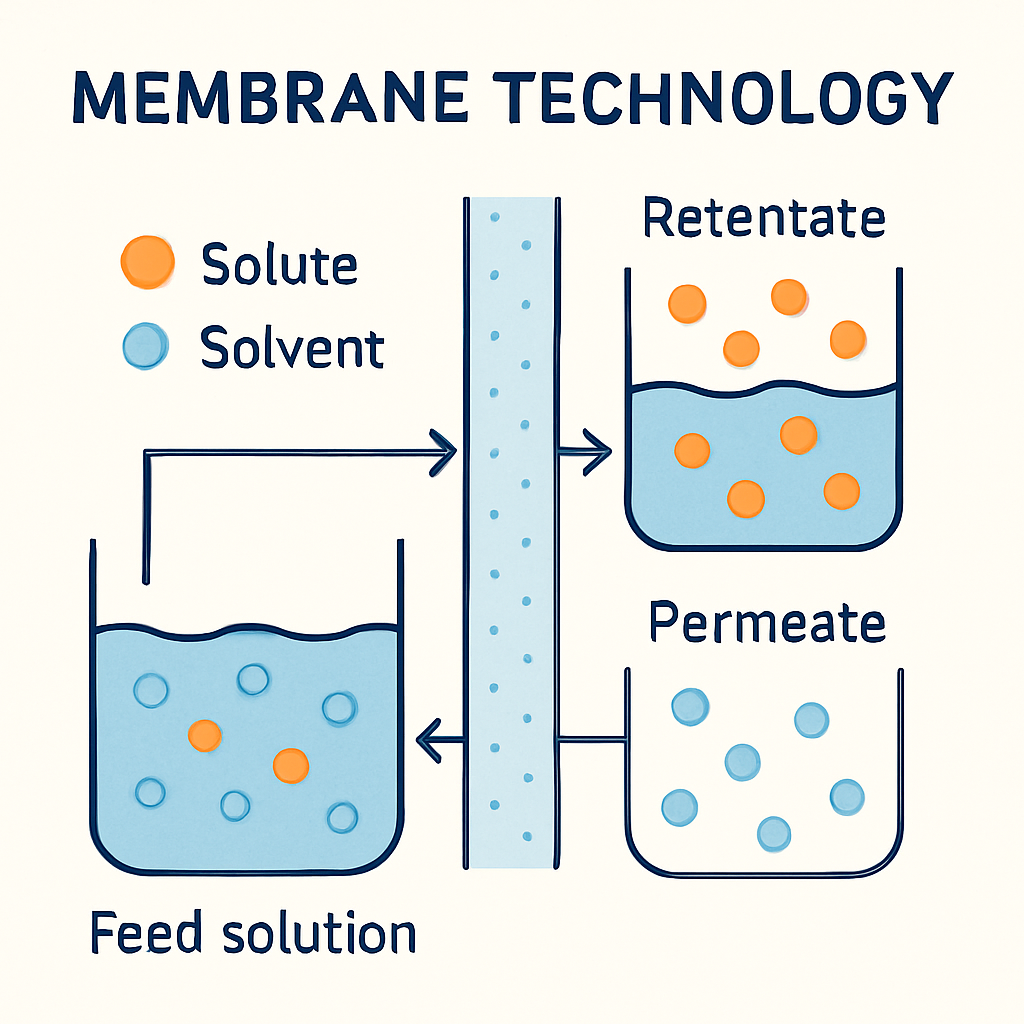
Membrane nitrogen generators work by passing compressed air through semi-permeable membranes. These membranes selectively allow smaller oxygen and water vapor molecules to pass through while retaining larger nitrogen molecules.
Key Features of Membrane Nitrogen Generators
- Compact Design: Membrane systems are typically more compact and lightweight, making them ideal for portable nitrogen generators.
- Lower Initial Cost: Generally, membrane nitrogen generators have a lower upfront cost compared to PSA systems.
- Energy Efficiency: These generators are known for their energy efficiency, as they require less compressed air to produce nitrogen.
Comparing PSA and Membrane Nitrogen Generators
Purity and Performance
When it comes to achieving high purity nitrogen, PSA nitrogen generators have the upper hand. They can deliver nitrogen with purity levels exceeding 99.999%, which is essential for applications in pharmaceuticals and electronics. On the other hand, membrane generators typically provide nitrogen with purity levels up to 99.5%, which is sufficient for applications like tire inflation and fire prevention.
Initial and Operating Costs
Membrane nitrogen generators often have a lower initial cost, making them a cost-effective choice for smaller operations or applications with modest nitrogen demands. However, PSA systems, while more expensive initially, may offer lower operational costs in the long run due to their efficiency at higher purities and larger capacities.
Maintenance Requirements
Both PSA and membrane systems require maintenance, but the nature of this maintenance differs. PSA generators have more complex components, such as valves and adsorbent materials, which may need regular inspection and replacement. Membrane systems, with fewer moving parts, generally require less maintenance, focusing primarily on filter changes and monitoring membrane integrity.
Portability and Space Considerations
 by Max Power (https://unsplash.com/@nopower)
For applications where space is limited or portability is essential, membrane nitrogen generators are often the preferred choice due to their compact design. PSA systems are generally larger and more suited to stationary industrial applications where space is not a constraint.
Choosing the Right Nitrogen Generator for Your Needs
The choice between PSA and membrane nitrogen generators depends on several factors:
- Application Requirements: Consider the nitrogen purity and flow rate needed for your application. PSA systems are ideal for high-purity demands, while membrane systems suffice for general applications.
- Budget Constraints: Evaluate both initial investment and long-term operational costs. Membrane systems may be more budget-friendly upfront, but PSA systems can be more economical over time with higher demand.
- Space and Portability: For portable applications or where space is tight, membrane generators are advantageous. PSA systems are better suited for fixed installations with available space.
- Maintenance Capabilities: Assess your ability to perform regular maintenance. If minimal maintenance is preferred, membrane systems could be the better option.
Conclusion: Making the Right Choice
In summary, both PSA and membrane nitrogen generators have their unique advantages. PSA generators are ideal for high-purity and high-volume applications, offering long-term cost benefits with proper maintenance. Membrane nitrogen generators, with their compact and energy-efficient design, are perfect for portable and space-constrained uses.
Evaluate your specific needs, application, and budget to determine which technology aligns best with your operational goals. Whether you’re looking for industrial nitrogen generators or portable nitrogen generators, understanding the differences between PSA and membrane technologies will guide you toward the right decision.
By considering these factors, you can ensure that you select the nitrogen generator that will provide the most efficient, cost-effective, and reliable solution for your business needs.