
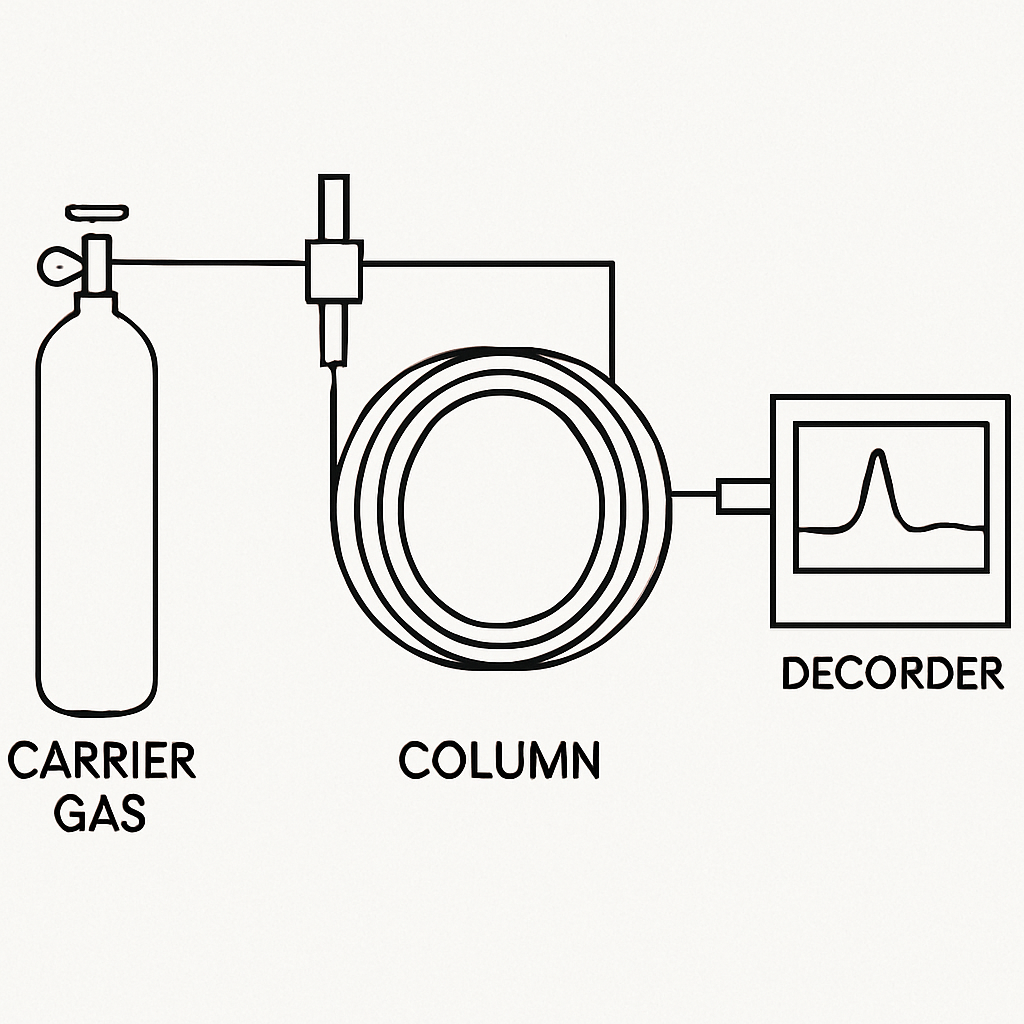
What is Gas Chromatography?
Gas chromatography is a method of separating chemical compounds based on their volatilities. In simple terms, it allows scientists to analyze complex mixtures by breaking them down into individual components. The process involves a gas phase (the mobile phase) that carries the mixture through a stationary phase contained within a column.
The Principle of Separation
The separation process in gas chromatography hinges on the different affinities compounds have for the stationary phase versus the mobile phase. Compounds that interact more strongly with the stationary phase will move more slowly through the column. Conversely, those with less interaction will pass through more quickly. This differential migration results in the separation of compounds based on their physical and chemical properties.
Historical Development
Gas chromatography has evolved significantly since its inception. The technique was first developed in the mid-20th century and has undergone numerous advancements. Initially, its use was limited by the available technology, but with innovations in materials and electronics, GC has become a cornerstone of analytical chemistry. Modern systems are highly automated and capable of handling complex analyses with remarkable precision.
Applications Across Industries
GC is employed across a diverse range of industries due to its versatility. In petrochemical industries, it helps in refining processes and quality control. The fragrance and flavor industries use GC to develop and ensure the quality of products. Moreover, it plays a crucial role in legal and forensic settings, providing critical data for investigations and regulatory compliance.
Basic Components of a GC System
A typical GC system consists of several key components that work together to achieve the separation and analysis of compounds.
Carrier Gas System
The carrier gas is a critical component that serves as the mobile phase. Helium, nitrogen, and hydrogen are commonly used due to their inert properties and optimal flow characteristics. The choice of carrier gas can impact the efficiency and resolution of the separation process. Helium is favored for its efficiency, while hydrogen offers faster analysis times but requires careful handling due to its flammability.
Injector Mechanisms
The injector is where the sample enters the GC system. There are various types of injectors, including split, splitless, and on-column injectors, each suited for specific types of analyses. The injector must vaporize the sample efficiently to ensure accurate and reproducible results. Temperature control is vital in this component to prevent sample degradation or discrimination.
Column Varieties
Columns are the heart of a GC system, where the actual separation occurs. They can be packed with solid particles or be capillary columns with a thin film of liquid stationary phase. The column’s length, diameter, and stationary phase type are chosen based on the sample and analysis requirements. Columns must be carefully maintained to ensure longevity and consistent performance.
Detector Technologies
Detectors come in many forms, each with unique advantages. Common types include flame ionization detectors (FID), mass spectrometers (MS), and thermal conductivity detectors (TCD). The choice of detector depends on the sensitivity and specificity required for the analysis. Detectors convert separated compounds into measurable signals, providing the data needed for analysis.
Data Acquisition Systems
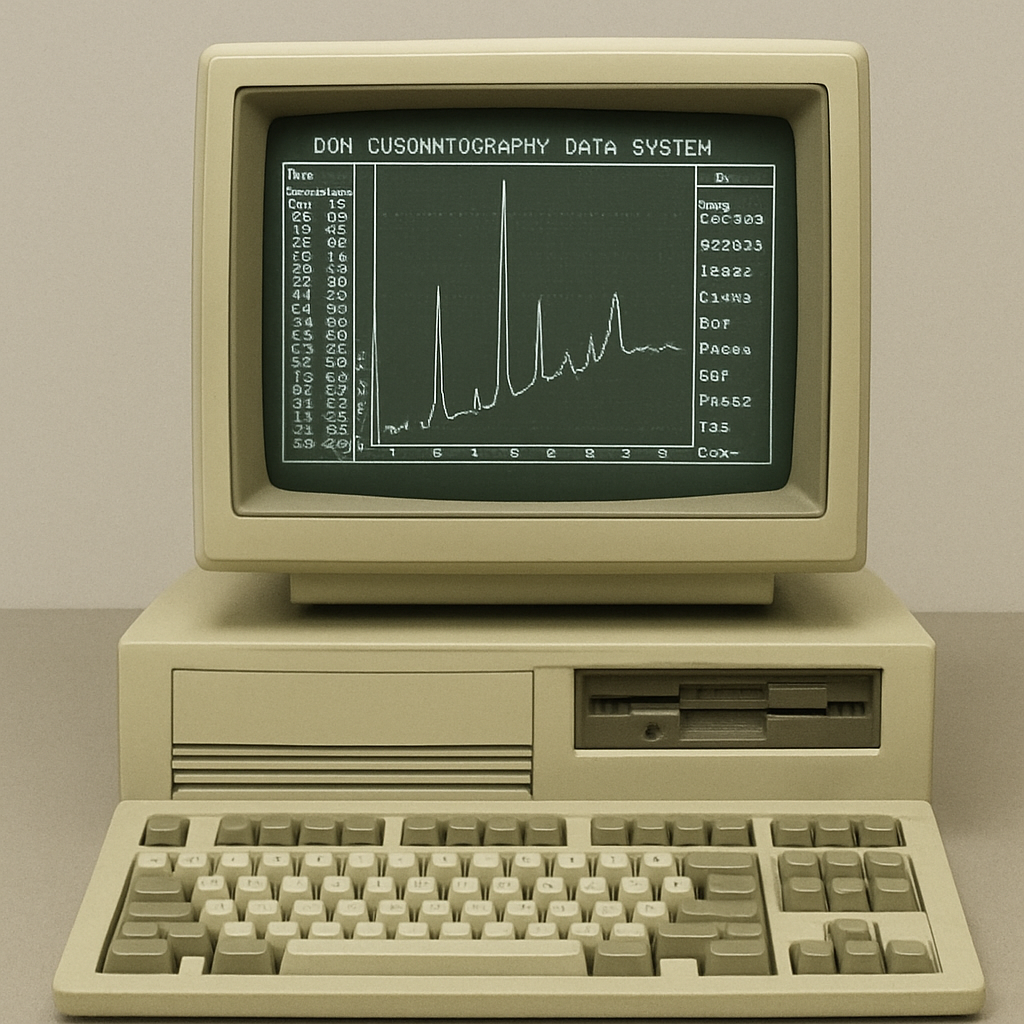
Modern GC systems are equipped with sophisticated data acquisition and processing systems. These systems convert detector signals into digital data that can be analyzed and interpreted. Software packages offer powerful tools for peak identification, quantification, and reporting. The ability to integrate and automate data handling enhances the efficiency and accuracy of GC analyses.
How Does Gas Chromatography Work?
The process of gas chromatography follows a series of steps, each critical to achieving accurate and reliable results.
Sample Introduction Techniques
The introduction of the sample into the GC system is a crucial step. It must be done in such a way that the sample is evenly distributed into the carrier gas stream. Techniques such as headspace sampling, direct injection, and thermal desorption are employed depending on the sample type. Proper sample preparation and handling are essential to avoid contamination and ensure reproducibility.
Separation Dynamics
Separation within the column is governed by the interaction of compounds with the stationary phase. Factors such as temperature, carrier gas flow rate, and column dimensions influence separation efficiency. Optimizing these parameters is key to achieving high resolution and fast analysis times. The choice of stationary phase must match the chemical characteristics of the analytes for effective separation.
Detection and Signal Processing
Once compounds exit the column, they are detected and quantified by the system’s detector. The detector generates a response based on the presence and concentration of compounds. Signal processing involves converting the detector response into a chromatogram, which displays peaks corresponding to each compound. Advanced software tools aid in interpreting complex chromatograms and quantifying results with precision.
Chromatogram Interpretation
Interpreting a chromatogram requires understanding peak shapes, retention times, and peak areas. Each peak represents a distinct compound, with retention time indicating the compound’s identity and peak area correlating with its concentration. Analysts use standard reference materials and calibration curves to accurately identify and quantify compounds. Chromatogram analysis is a skill that combines technical knowledge with experience.
Types of Gas Chromatography Techniques
There are several techniques within gas chromatography, each suited for specific types of analyses.
Packed Column GC
Packed column gas chromatography uses columns filled with solid particles coated with a liquid stationary phase. This technique is commonly used for separating gases or low-molecular-weight compounds. Packed columns are known for their robustness and ability to handle large sample volumes.
Advantages of Packed Columns
Packed columns offer several advantages, including their durability and cost-effectiveness. They are well-suited for industrial applications where large volumes of samples need to be processed. The solid support provides stability and ensures consistent performance over time. Despite being less efficient than capillary columns, packed columns remain valuable for specific applications.
Limitations and Challenges
One of the main limitations of packed columns is their lower resolution compared to capillary columns. This can be a disadvantage when analyzing complex mixtures requiring high separation efficiency. Additionally, packed columns have longer analysis times, which can be a bottleneck in high-throughput environments. Choosing the right column dimensions and stationary phase is crucial to optimizing performance.
Applications in Industry
Packed column GC is widely used in industries such as petrochemicals and environmental monitoring. It is ideal for analyzing gaseous samples and volatile compounds, making it essential for quality control and regulatory compliance. The technique’s robustness and ability to handle challenging samples make it indispensable in various industrial settings.
Capillary Column GC
Capillary column gas chromatography employs columns with a narrow internal diameter coated with a thin film of liquid stationary phase. This technique offers higher resolution and faster analysis times compared to packed columns, making it suitable for complex mixtures and trace analysis.
Benefits of Capillary Columns
Capillary columns are favored for their high efficiency and speed. They provide excellent resolution, allowing for the separation of closely related compounds. The reduced internal diameter minimizes band broadening and enhances sensitivity. These characteristics make capillary columns ideal for detailed analysis and research applications.
Design and Maintenance Considerations
Capillary columns are delicate and require careful handling to prevent damage. Proper installation and maintenance are critical to preserving column performance and longevity. Regular checks for leaks and blockages are necessary to ensure consistent results. Choosing the appropriate stationary phase and column dimensions is vital to achieving the desired separation.
Analytical Applications
Capillary column GC is extensively used in fields such as environmental analysis, pharmaceuticals, and food safety. It enables the detection and quantification of trace compounds with high precision. The technique’s ability to handle complex mixtures and provide detailed insights makes it a valuable tool for researchers and industry professionals alike.
Headspace GC
Headspace gas chromatography is a technique used to analyze volatile compounds present in the gas phase above a liquid or solid sample. It is particularly useful for analyzing residual solvents in pharmaceuticals and flavors in food products.
Principles of Headspace Analysis
Headspace analysis involves equilibrating a sample in a sealed container, allowing volatile compounds to partition into the gas phase. A portion of this gas is then injected into the GC system for analysis. This technique reduces matrix effects and simplifies sample preparation, making it ideal for volatile compound analysis.
Instrumentation and Setup
Headspace sampling requires specialized equipment, such as a headspace sampler, to automate the equilibration and injection process. Parameters such as temperature, equilibration time, and vial volume must be optimized for each sample type. Headspace GC offers reproducible results and is well-suited for high-throughput applications.
Industry-Specific Uses
Headspace GC is widely used in the pharmaceutical industry to ensure product safety and compliance. It is also employed in the food and beverage industry to analyze flavors and aromas. The technique’s ability to handle complex matrices and volatile compounds makes it indispensable in quality control and research settings.
Pyrolysis GC
Pyrolysis gas chromatography involves the thermal decomposition of non-volatile samples into smaller, volatile compounds before analysis. This technique is often used for polymer and material analysis.
 by Daria Nepriakhina 🇺🇦 (https://unsplash.com/@epicantus)
Mechanisms of Pyrolysis
Pyrolysis involves heating a sample to decompose it into smaller, volatile fragments. These fragments are then separated and analyzed using GC. This approach allows for the analysis of non-volatile and complex materials, providing insights into their composition and structure.
Equipment and Methodology
Pyrolysis GC requires specialized equipment to achieve the high temperatures needed for decomposition. Careful control of pyrolysis conditions is crucial to obtaining reproducible results. The technique is often coupled with mass spectrometry to provide detailed information on the pyrolyzates.
Research and Industrial Applications
Pyrolysis GC is used extensively in polymer research to understand material properties and degradation pathways. It is also valuable in forensic science for analyzing synthetic fibers and plastics. The technique’s ability to analyze complex materials makes it a powerful tool in both research and industrial applications.
Applications of Gas Chromatography
Gas chromatography is utilized in a wide range of applications across various industries.
Environmental Analysis
GC is used to monitor air and water quality by detecting pollutants and volatile organic compounds (VOCs). It helps ensure compliance with environmental regulations and identify sources of contamination.
Monitoring Air Quality
In environmental science, GC plays a vital role in monitoring air quality. It can detect and quantify pollutants such as hydrocarbons, sulfur compounds, and nitrogen oxides. This data is crucial for assessing environmental impact and implementing pollution control measures.
Water Quality Assessment
GC is employed to analyze water samples for volatile organic compounds and contaminants. It aids in detecting pollutants that may pose risks to human health and ecosystems. Regular monitoring ensures that water sources remain safe and comply with environmental standards.
Soil and Sediment Analysis
GC is also used to analyze soil and sediment samples for contaminants and pollutants. It helps identify sources of contamination and assess the impact of industrial activities on the environment. This information is crucial for remediation efforts and environmental protection.
Pharmaceutical Industry
In pharmaceuticals, gas chromatography plays a crucial role in quality control and ensuring the purity of active ingredients. It is also used to identify impurities and degradation products.
Quality Control Measures
GC is an essential tool in pharmaceutical quality control, ensuring that products meet safety and efficacy standards. It is used to verify the purity of active pharmaceutical ingredients and detect impurities. This ensures that medications are safe for consumption and comply with regulatory requirements.
Impurity Profiling
GC helps in identifying and quantifying impurities and degradation products in pharmaceutical formulations. This information is critical for product safety and shelf life assessment. It aids in optimizing manufacturing processes and ensuring consistency in product quality.
Formulation Development
GC is used in the development of pharmaceutical formulations to analyze volatile components and excipients. It provides insights into the stability and compatibility of ingredients, aiding in the design of effective and safe medications.
Food Safety
The food industry employs GC to detect pesticides, contaminants, and flavors in food products. This ensures that food is safe for consumption and meets regulatory standards.
Pesticide Residue Analysis
GC is widely used to detect and quantify pesticide residues in food products. It ensures that agricultural products meet safety standards and are free from harmful levels of pesticides. This protects consumer health and supports sustainable agricultural practices.
Flavor and Aroma Profiling
GC is used to analyze and profile flavors and aromas in food and beverage products. It helps in the development of new products and ensures consistency in taste and quality. This is crucial for meeting consumer expectations and maintaining brand reputation.
Contaminant Detection
GC aids in detecting contaminants such as toxins, adulterants, and spoilage compounds in food products. This ensures that food is safe for consumption and complies with regulatory requirements. It supports food safety initiatives and consumer protection efforts.
Forensic Science
Forensic scientists use GC to analyze substances found at crime scenes, such as drugs, accelerants, and toxins. It aids in investigations by providing reliable and accurate results.
Drug Analysis
GC is used to identify and quantify drugs and their metabolites in biological samples. This information is critical for forensic investigations and legal proceedings. It aids in determining drug use, overdose cases, and substance-related crimes.
Fire and Arson Investigation
GC is used in fire and arson investigations to analyze accelerants and combustible materials. It helps in identifying the cause of fires and providing evidence for legal cases. This supports law enforcement efforts in solving arson-related crimes.
Toxicology Studies
GC is employed in toxicology to analyze toxins and poisons in biological samples. It aids in determining the cause of death or illness in forensic cases. This information is crucial for legal investigations and ensuring public safety.
Advantages and Limitations of Gas Chromatography
Advantages
- High Sensitivity: GC can detect trace amounts of compounds, making it suitable for analyzing complex mixtures.
- Versatility: It can analyze a wide range of substances, from gases to volatile liquids and solids.
- Speed: The technique offers rapid analysis times, especially with capillary columns.
Enhanced Sensitivity
GC’s ability to detect trace levels of compounds makes it invaluable in various fields. It allows for the analysis of complex mixtures with high precision. This sensitivity is crucial for applications requiring detailed chemical insights, such as environmental monitoring and pharmaceuticals.
Broad Analytical Range
The versatility of GC allows for the analysis of diverse substances, including gases, liquids, and solids. This flexibility makes it applicable across numerous industries and research areas. GC’s adaptability enhances its value as a comprehensive analytical tool.
Fast and Efficient Analysis
The rapid analysis times offered by GC, particularly with capillary columns, improve workflow efficiency. This speed is beneficial in high-throughput environments and time-sensitive applications. It enables quick decision-making and supports dynamic research and development processes.
Limitations
- Non-volatile Compounds: GC is not suitable for non-volatile or thermally unstable compounds.
- Sample Preparation: Some samples require extensive preparation before analysis.
- Equipment Costs: The initial setup and maintenance of GC equipment can be expensive.
Volatility Constraints
GC is limited to analyzing volatile and thermally stable compounds. Non-volatile or thermally labile substances require alternative analytical techniques. This limitation necessitates careful consideration of sample properties when selecting analytical methods.
Complex Sample Preparation
Some samples require extensive preparation to be compatible with GC analysis. This can involve steps such as extraction, concentration, and derivatization. The complexity of sample preparation can add time and cost to the analytical process.
Cost Considerations
The initial investment in GC equipment and ongoing maintenance costs can be significant. This can be a barrier for smaller laboratories or budget-constrained projects. However, the long-term benefits and capabilities of GC often justify these expenses.
Conclusion
Gas chromatography is an essential technique in analytical chemistry, providing detailed insights into the composition of various mixtures. By understanding the basics of GC, its components, and techniques, you can better appreciate its applications and benefits in fields like environmental science, pharmaceuticals, and food safety.
Whether you’re a student, researcher, or professional in the field, mastering gas chromatography can open up new opportunities for analysis and discovery. Embracing this powerful tool enhances your ability to contribute to scientific advancements and industry innovations.