# Understanding Pressure Swing Adsorption Technology
Pressure swing adsorption (PSA) is a powerful technology used in various industries for gas separation and purification. It is especially prominent in generating nitrogen, making it a critical component for operations that require high-purity nitrogen gas. In this article, we’ll delve into the fundamentals of PSA technology, how it works, and its applications, particularly focusing on pressure swing adsorption nitrogen generators.
What is Pressure Swing Adsorption?
Pressure swing adsorption is a process used to separate specific gases from a mixture of gases under pressure. It operates on the principle that gases can be absorbed at varying pressures. By adjusting the pressure, PSA systems can selectively adsorb and release gases, allowing for efficient separation.
How Does PSA Work?
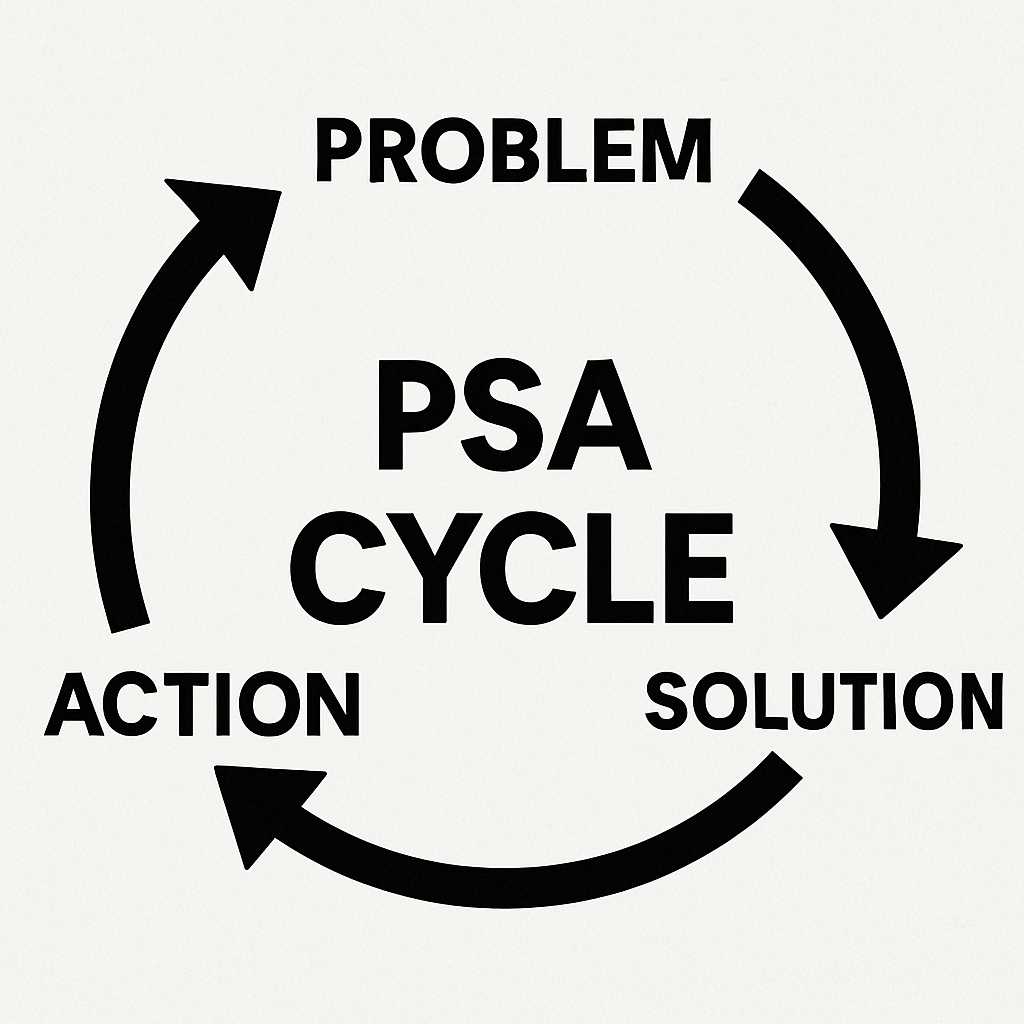
PSA involves a series of steps that repeat in cycles. The process relies on adsorbent materials, typically zeolites or activated carbon, which have a high affinity for certain gases. Here’s a breakdown of the PSA cycle:
- Adsorption Phase: During this phase, the gas mixture is passed through an adsorbent bed at high pressure. The adsorbent material captures the target gas molecules, allowing the remaining gases to pass through.
- Depressurization: Once the adsorbent reaches its capacity, the pressure is reduced. This reduction in pressure allows the adsorbed gas to be released from the adsorbent material.
- Regeneration: The adsorbent material is regenerated as the pressure is decreased, preparing it for the next cycle of adsorption.
- Purging: A small amount of the purified gas is used to purge the adsorbent bed, ensuring the removal of any residual gas molecules and readying the system for the next adsorption phase.
This cycle is repeated continuously, allowing for a steady supply of the desired gas.
Applications of Pressure Swing Adsorption
PSA technology is widely used for its efficiency and cost-effectiveness in gas separation. Here are some of its key applications:
Nitrogen Generation
One of the most common uses of PSA is in nitrogen generation. PSA nitrogen generators are used in industries where high-purity nitrogen is essential, such as food packaging, electronics manufacturing, and pharmaceuticals.
Benefits of PSA Nitrogen Generators
- Purity: PSA systems can produce nitrogen with purities up to 99.999%, making them ideal for applications requiring high-purity nitrogen.
- Cost-Effective: By generating nitrogen on-site, companies can reduce the costs associated with purchasing and transporting nitrogen cylinders.
- Reliability: PSA nitrogen generators provide a continuous supply of nitrogen, ensuring that operations are not interrupted.
Oxygen Generation
PSA is also employed in generating oxygen, particularly in medical and industrial settings. PSA oxygen generators provide a reliable source of oxygen for hospitals and clinics, especially in remote locations where traditional oxygen supply might be challenging.
Hydrogen Purification
In the chemical and refining industries, PSA technology is used to purify hydrogen. The ability to produce high-purity hydrogen is crucial for processes such as ammonia production and petroleum refining.
Advantages of Pressure Swing Adsorption Technology
PSA technology offers several advantages, making it a preferred choice for gas separation:
- Efficiency: The cyclic nature of PSA allows for continuous operation, providing a constant supply of the desired gas.
- Flexibility: PSA systems can be tailored to produce different gases by adjusting the adsorbent materials and process parameters.
- Environmental Impact: PSA systems have a minimal environmental impact as they do not require hazardous chemicals for gas separation.
- Space-Saving: PSA units are compact and can be easily integrated into existing facilities without requiring significant space or infrastructure changes.
 by Hongjung PARK (https://unsplash.com/@chilling4u)
Challenges and Considerations
While PSA technology has many benefits, there are also challenges and considerations to keep in mind:
Energy Consumption
PSA systems require energy to compress gases and operate the adsorption cycle. It’s important to consider energy efficiency when designing and operating PSA systems to minimize operational costs.
Adsorbent Material Lifespan
The lifespan of adsorbent materials can affect the overall efficiency and cost of a PSA system. Regular maintenance and replacement of adsorbents are necessary to ensure optimal performance.
Pressure Requirements
PSA systems rely on maintaining specific pressure levels for effective operation. Any fluctuations in pressure can impact the efficiency of gas separation, making precise control systems crucial.
Conclusion
Pressure swing adsorption technology is a versatile and efficient method for gas separation and purification. Whether you’re generating nitrogen for industrial purposes or purifying hydrogen for chemical processes, PSA offers a reliable and cost-effective solution. By understanding the workings and applications of PSA, industries can harness this technology to enhance their operations and meet their gas separation needs.
As with any technology, careful consideration of design, operation, and maintenance is key to maximizing the benefits of PSA systems. By doing so, industries can ensure a steady supply of high-purity gases, reduce costs, and maintain efficient and sustainable operations.
Founded in 2013 and 2014, Shenzhen Yuhan Electronic Technology Co., Ltd. and Suzhou Hongjinli Gas Equipment Co., Ltd. specialize in PSA nitrogen generators, oxygen generators, nitrogen purification systems, and gas equipment solutions. Our expertise spans industries including SMT manufacturing, semiconductor packaging, optoelectronics, and food and pharmaceutical storage.