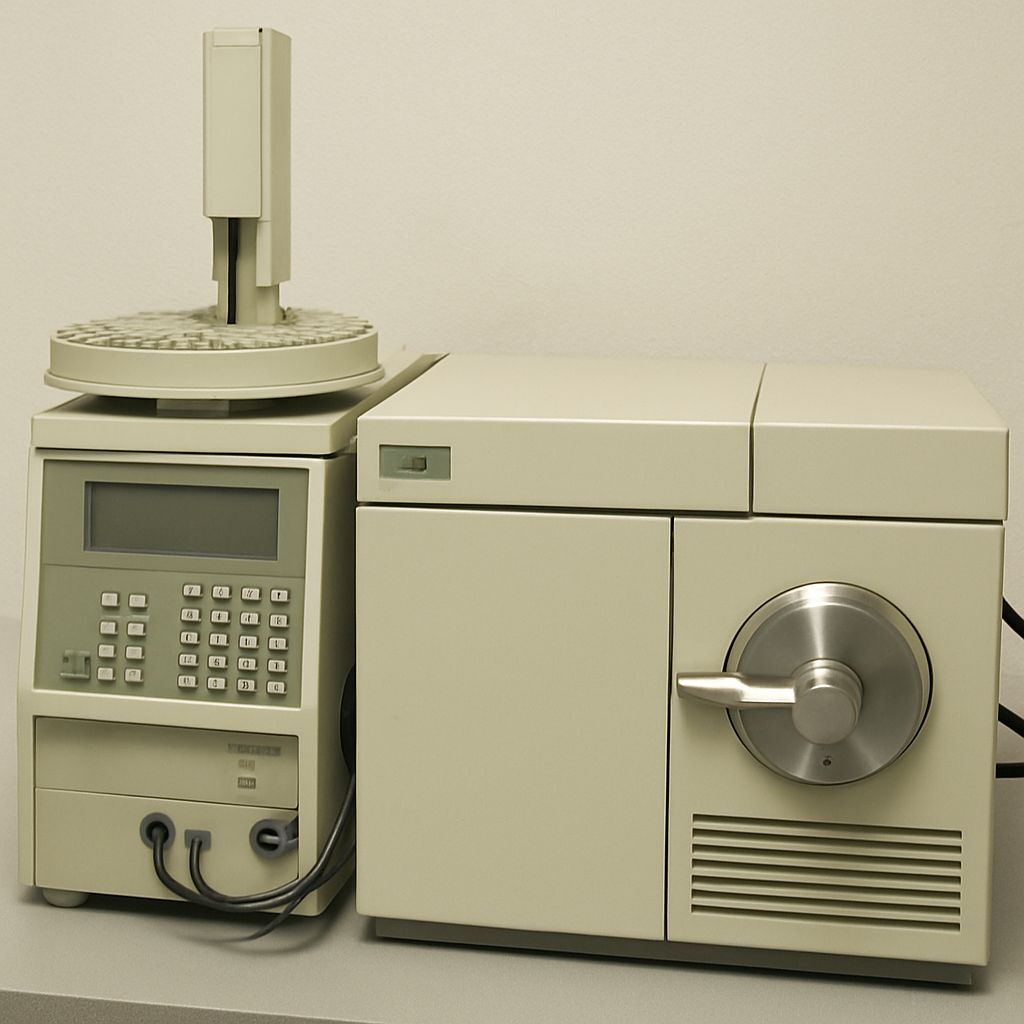
Gas spectrometry is a sophisticated method used to analyze chemical substances at a molecular level. It provides a detailed breakdown of a sample’s composition, allowing scientists to understand not only what compounds are present but also in what quantities. This is crucial in fields like environmental science, pharmaceuticals, and forensics, where precise measurements can be the difference between success and failure in research and application. By offering such detailed insights, gas spectrometry plays a critical role in advancing scientific understanding and technological development.
Gas Chromatography: The First Step
The first part of gas spectrometry is gas chromatography, a process akin to unraveling the components of a complex puzzle. Imagine you’re trying to separate colored dyes in a mixture. Gas chromatography does something similar but with gases or volatile liquids. Here’s how it works:
- Sample Introduction: A small amount of the sample is injected into the gas chromatograph, which serves as the starting point for the analysis.
- Vaporization: The sample is heated until it turns into a gas, ensuring that the compounds can travel through the system.
- Separation: The gaseous sample travels through a column. Inside the column, different compounds move at different speeds, causing them to separate. This separation is crucial as it allows for individual analysis of each compound.
- Detection: As compounds exit the column, a detector records their arrival time, creating a clear map of the sample’s composition.
This process results in a chromatogram, a visual output showing peaks that represent different compounds in the sample. Each peak provides valuable information about the compound it represents, including its concentration and potential identity.
Mass Spectrometry: The Second Step
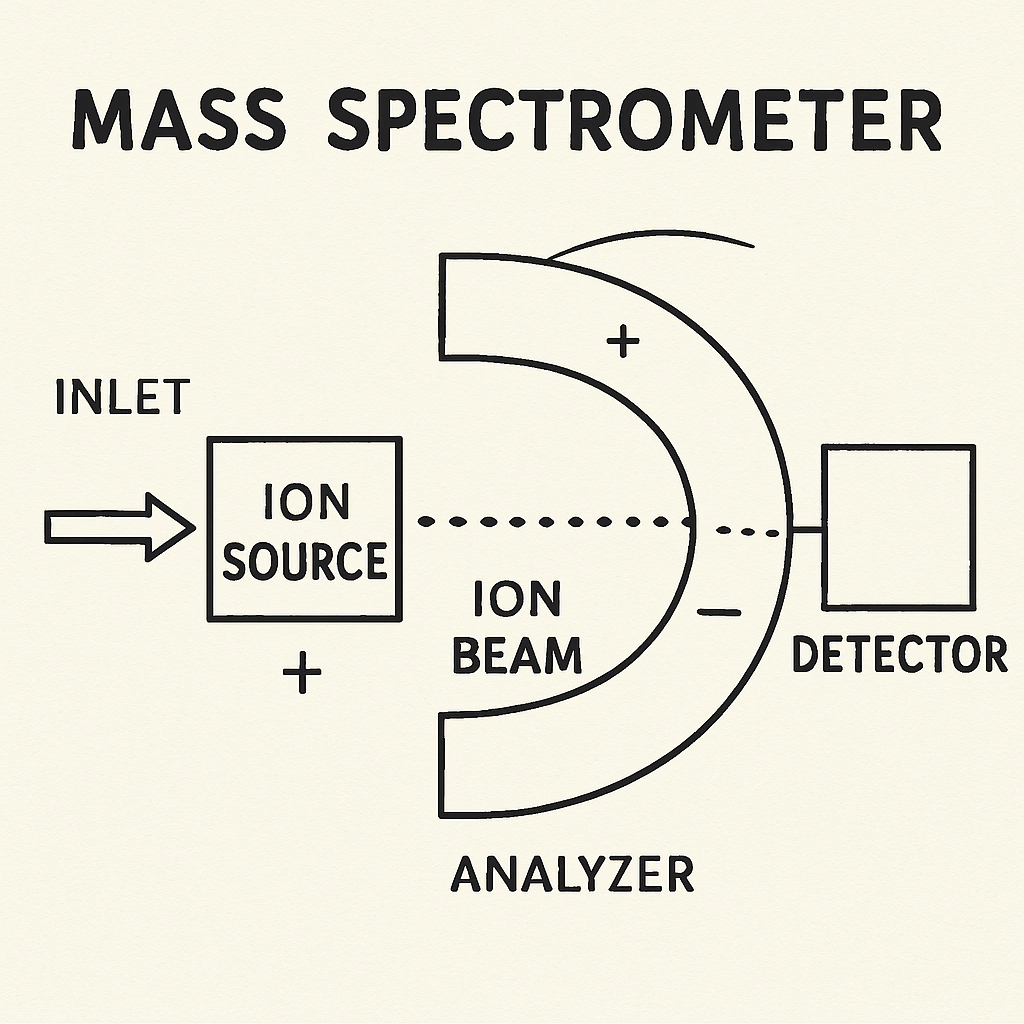
After gas chromatography, we move on to mass spectrometry, which takes the process a step further by focusing on the detailed identification and quantification of the compounds separated in the first step. Here’s how mass spectrometry works:
- Ionization: The separated compounds are bombarded with electrons, causing them to lose electrons and become positively charged ions. This ionization is essential for the next steps in the analysis.
- Acceleration: The ions are then accelerated into a magnetic field, setting the stage for their separation based on mass.
- Deflection: Within the magnetic field, ions are deflected based on their mass-to-charge ratio. Lighter ions deflect more than heavier ones, allowing for a clear distinction between different ions.
- Detection: A detector measures how much each ion deflects, allowing scientists to determine the mass of the molecules, which is crucial for identifying the chemical structure of the compounds.
The result is a mass spectrum, a chart displaying the masses of the ions and their relative abundance. This spectrum provides a wealth of information that helps scientists identify and quantify the compounds present.
Why is Gas Spectrometry Important?
Gas spectrometry is incredibly useful because it provides detailed information about complex mixtures. It is not just about identifying compounds; it’s about understanding the intricacies of chemical interactions and their implications in various fields. Let’s explore a few of its applications.
Environmental Monitoring
Gas spectrometry is widely used in environmental science to tackle some of the most pressing issues of our time. It helps monitor air and water quality by identifying pollutants and measuring their concentrations. This information is critical for ensuring that environments remain safe and healthy for humans and wildlife. By providing precise data on pollutants, gas spectrometry aids in the creation of effective environmental policies and regulations. It also plays a crucial role in assessing the impact of human activities on natural ecosystems, allowing for informed decisions to be made to protect our planet.
Pharmaceutical Industry
 by Mufid Majnun (https://unsplash.com/@mufidpwt)
In the pharmaceutical industry, gas spectrometry ensures the safety and efficacy of drugs, which is paramount for public health. It identifies impurities in drug formulations and verifies the purity of active ingredients. This ensures that medications are safe for consumption and effective in treating illnesses. The ability to detect even trace amounts of impurities is vital for maintaining high-quality standards in drug manufacturing. Furthermore, gas spectrometry is used in the research and development phase to optimize drug formulations and enhance therapeutic outcomes.
Forensic Science
Forensic scientists use gas spectrometry to analyze substances found at crime scenes, providing crucial evidence in criminal investigations. It helps identify unknown chemicals and can even detect trace amounts of drugs or explosives. This information is crucial for solving crimes and securing convictions, as it can definitively link suspects to criminal activities. The precision and reliability of gas spectrometry make it an indispensable tool in the justice system, where accuracy can determine the outcome of legal proceedings.
How to Interpret Gas Spectrometry Results
Understanding the results of gas spectrometry involves reading chromatograms and mass spectra. While these outputs may seem complex at first glance, they provide a wealth of information when properly interpreted. Here’s a basic guide:
Reading a Chromatogram
A chromatogram displays peaks, each representing a different compound. The position of a peak on the x-axis indicates the retention time, or how long it took the compound to travel through the column. The height of the peak shows the concentration of the compound. By analyzing these peaks, scientists can deduce the presence and quantity of various compounds in a sample. This information is vital for applications ranging from quality control in manufacturing to environmental monitoring.
Understanding a Mass Spectrum
A mass spectrum shows peaks corresponding to ions with different mass-to-charge ratios. The x-axis displays the mass-to-charge ratio, while the y-axis shows the abundance of each ion. By analyzing these peaks, scientists can deduce the molecular structure of the compounds. This detailed insight into molecular composition is essential for identifying unknown substances and understanding complex chemical reactions. Interpreting mass spectra requires specialized knowledge but is a powerful skill in the field of analytical chemistry.
Challenges in Gas Spectrometry
While gas spectrometry is a powerful tool, it does have its challenges. These challenges often require innovative solutions to ensure accurate and reliable results:
- Complex Samples: Some samples contain hundreds of compounds, making separation difficult. Advanced techniques and technologies are continually being developed to improve separation efficiency and resolution.
- Sensitivity: Detecting very low concentrations of a compound can be challenging. Enhancements in detector technology and sample preparation methods are helping to overcome these limitations, allowing for the detection of trace amounts of substances.
- Interferences: Other substances in the sample might interfere with detection and identification. Overcoming these interferences requires careful calibration and validation of the spectrometry process, ensuring that the results are accurate and reliable.
Despite these challenges, advances in technology continue to enhance the capabilities of gas spectrometry. Researchers are constantly exploring new methods and technologies to push the boundaries of what is possible with this versatile analytical tool.
Conclusion
Gas spectrometry is a fascinating and versatile technique that plays a crucial role in many scientific fields. By combining gas chromatography and mass spectrometry, it allows scientists to analyze complex mixtures with precision and accuracy. Whether it’s monitoring pollution, ensuring drug safety, or solving crimes, gas spectrometry is an invaluable tool in the world of science. Its ability to provide detailed and reliable data makes it indispensable for advancing scientific knowledge and improving societal outcomes.
Understanding the basics of gas spectrometry opens the door to appreciating its applications and importance. As technology advances, we can expect even more exciting developments in this field. Whether you’re a budding scientist or simply curious about how things work, gas spectrometry offers a glimpse into the intricate world of chemical analysis. Its ongoing evolution promises to yield even greater insights into the mysteries of the chemical world, paving the way for new discoveries and innovations.