# Understanding the Benefits of Submersible Pumps
Submersible pumps are a versatile and efficient solution for a variety of water pumping needs. Unlike traditional pumps that are situated above ground, submersible pumps are designed to be placed directly in the water they are meant to move. This unique characteristic enables them to efficiently handle a range of tasks, from draining water in basements to powering irrigation systems. In this article, we will delve into the benefits of submersible pumps, their applications, and why they might be the perfect fit for your water management needs.
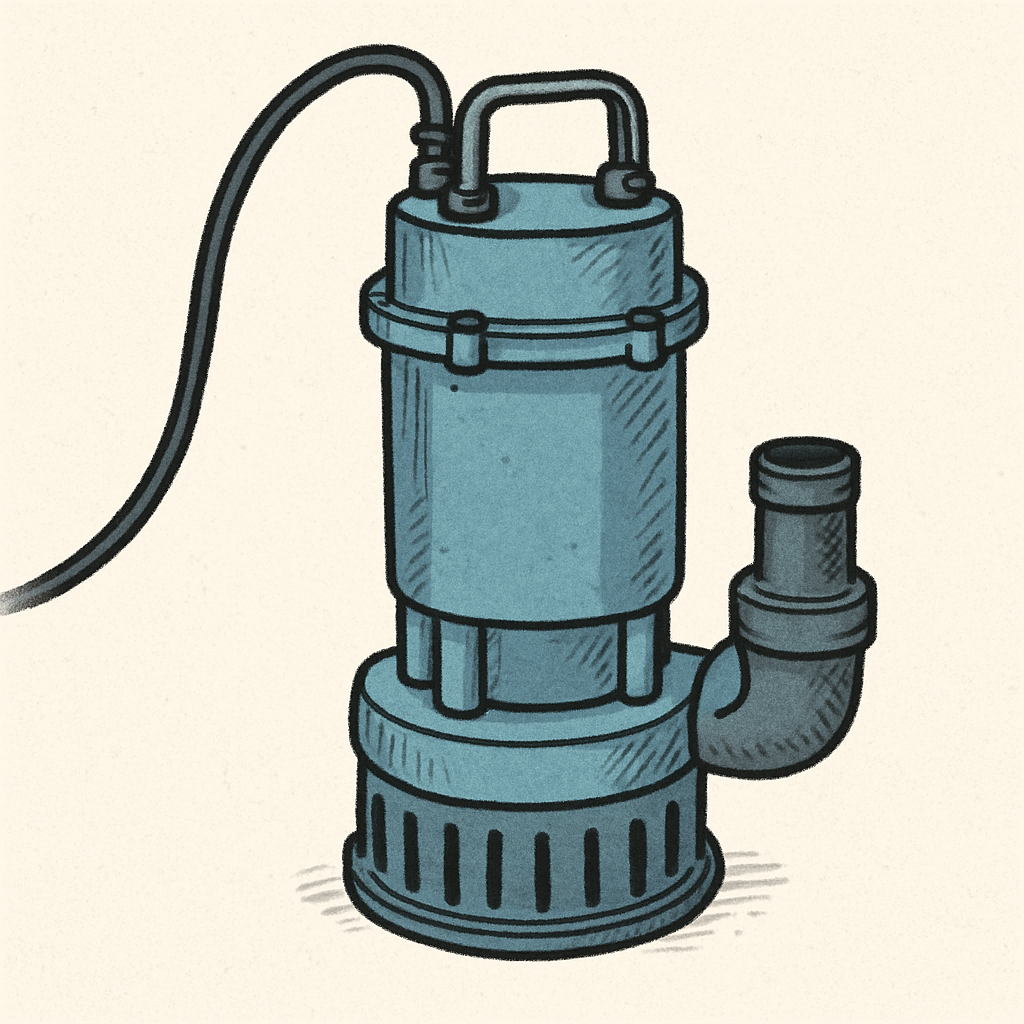
A submersible pump is a type of pump that is completely submerged in the fluid it is intended to pump. The motor and pump are enclosed in a casing that prevents water from entering and damaging the internal components. This design not only protects the pump but also allows it to operate more efficiently by pushing water to the surface rather than pulling it, which reduces the risk of cavitation.
Types of Submersible Pumps
There are several types of submersible pumps, each suited for different applications:
- Sump Pumps: Primarily used to remove accumulated water from a sump pit or basement to prevent flooding.
- Submersible Water Pumps: Used in various applications including dewatering, sewage treatment, and well pumping.
- Utility Pumps: Portable pumps used for temporary water removal tasks.
Benefits of Submersible Pumps
Efficiency and Reliability
One of the standout advantages of submersible pumps is their efficiency. Because they are submerged, they don’t have to expend as much energy to move water, making them more energy-efficient compared to non-submersible pumps. Additionally, their submerged nature means they are less prone to overheating, which enhances their longevity and reliability.
Noise Reduction
Submersible pumps are known for their quiet operation. Since they are placed underwater, the noise generated by the pump is significantly muffled, making them ideal for residential areas where noise pollution is a concern.
Versatility
These pumps are incredibly versatile and can be used for a variety of applications. From residential to industrial uses, submersible pumps can handle clean water, sewage, and even slurries with high solid content. This adaptability makes them a popular choice for many water management needs.
Safety
Submersible pumps are designed with safety in mind. Being submerged in water reduces the risk of electric shock because the electrical components are sealed and isolated from the water. This feature is particularly important in residential settings where safety is a top priority.
Applications of Submersible Pumps
Residential Use
In homes, sump pumps are commonly used to prevent basement flooding. They automatically activate when water levels rise, efficiently pumping water out of the basement to a designated drainage area. This can be particularly useful in areas prone to heavy rainfall or flooding.
Irrigation Systems
Submersible water pumps are also used in irrigation systems to draw water from wells or reservoirs and distribute it across agricultural fields. Their ability to operate quietly and efficiently makes them ideal for large-scale irrigation projects.
Industrial Applications
In industrial settings, submersible pumps are used for dewatering construction sites, treating wastewater, and managing sewage systems. Their robust design allows them to handle large volumes of water and withstand harsh conditions.
Installation and Maintenance
Easy Installation
Installing a submersible pump is generally straightforward. Since they are designed to be submerged, there is no need for elaborate priming or air evacuation procedures. Simply lower the pump into the water, and it’s ready to go.
Maintenance Tips

by Boudewijn Huysmans (https://unsplash.com/@boudewijn_huysmans)
To ensure the longevity and optimal performance of a submersible pump, regular maintenance is essential. Here are some tips:
- Inspect Regularly: Check for debris or blockages that could impede performance.
- Monitor Performance: Keep an eye on the flow rate and noise levels to detect any changes that might indicate a problem.
- Scheduled Servicing: Have the pump serviced by a professional periodically to address any wear and tear.
Choosing the Right Submersible Pump
When selecting a submersible pump, consider the following factors:
- Flow Rate: Determine the volume of water you need to move and choose a pump that can handle that capacity.
- Head Pressure: Consider the distance the water needs to be pumped vertically and ensure the pump can provide the necessary pressure.
- Power Supply: Check that the pump is compatible with your power source, whether it’s electric, solar, or battery-operated.
Conclusion
Submersible pumps offer numerous benefits, from energy efficiency to versatility, making them an excellent choice for a wide range of applications. Whether you need to prevent basement flooding, irrigate your fields, or manage industrial wastewater, a submersible pump can meet your needs effectively and reliably. With proper installation and maintenance, these pumps can provide years of trouble-free service, ensuring your water management tasks are handled with ease.
By understanding the benefits and applications of submersible pumps, you can make an informed decision that aligns with your specific requirements and enjoy the peace of mind that comes with a dependable water management solution.
Founded in 2013 and 2014, Shenzhen Yuhan Electronic Technology Co., Ltd. and Suzhou Hongjinli Gas Equipment Co., Ltd. specialize in PSA nitrogen generators, oxygen generators, nitrogen purification systems, and gas equipment solutions. Our expertise spans industries including SMT manufacturing, semiconductor packaging, optoelectronics, and food and pharmaceutical storage.