In the food industry, extending the shelf life of products is a crucial aspect of ensuring quality and reducing waste. One effective method that has gained popularity over the years is the use of nitrogen in food packaging. Nitrogen generators are becoming an essential tool in food preservation, helping to maintain the freshness and quality of food products. This article explores how nitrogen generators work in food packaging and the benefits they bring.
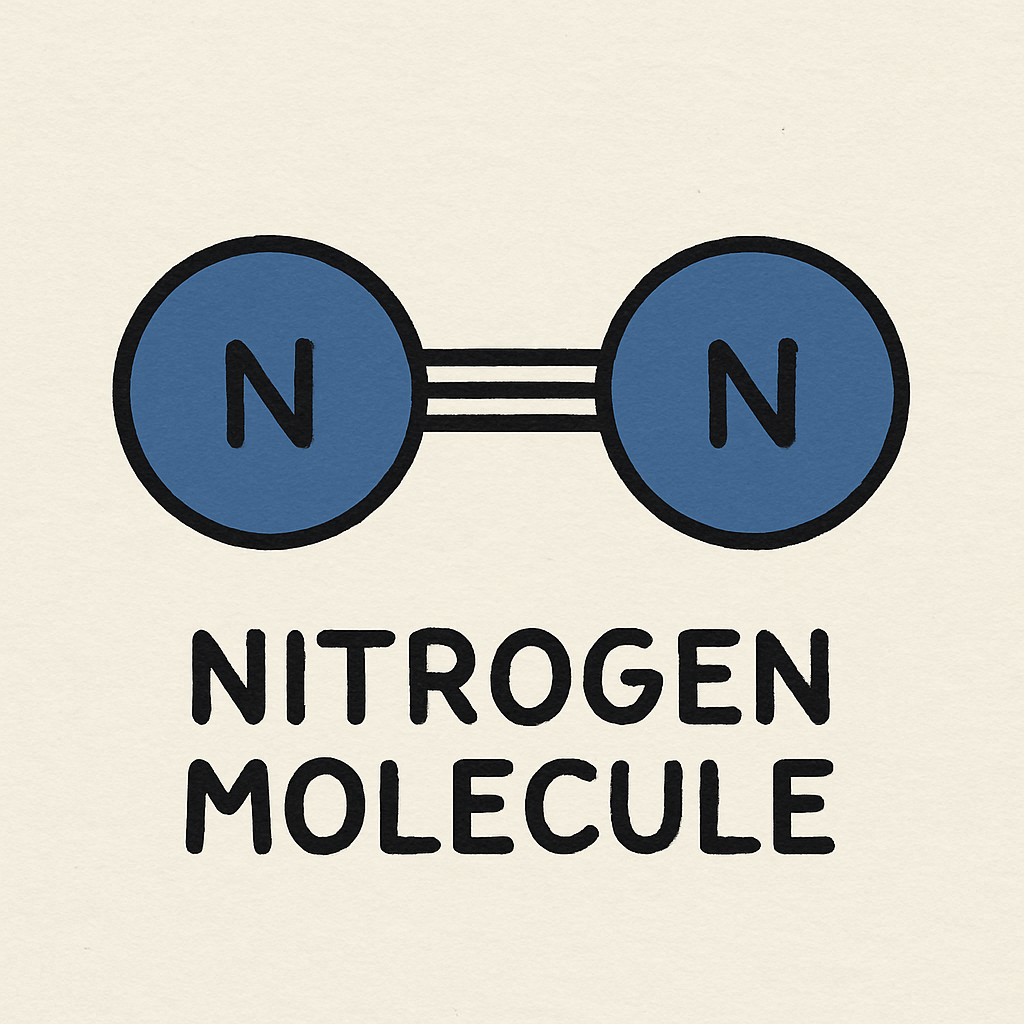
Nitrogen is a colorless, odorless gas that makes up about 78% of the Earth’s atmosphere. In food packaging, nitrogen serves as a protective gas that replaces oxygen inside packaging materials. Oxygen can cause food spoilage by promoting the growth of aerobic bacteria and fungi. By replacing oxygen with nitrogen, the growth of these microorganisms is inhibited, thereby extending the shelf life of the food.
How Nitrogen Generators Work
The Basics of Nitrogen Generators
Nitrogen generators are devices that produce nitrogen gas from the surrounding air. They use a process called pressure swing adsorption (PSA) or membrane technology to separate nitrogen from other gases. The result is a high-purity nitrogen gas that can be used directly in food packaging applications.
Types of Nitrogen Generators
There are two main types of nitrogen generators used in the food industry:
- PSA Nitrogen Generators: These use a material called a carbon molecular sieve to adsorb oxygen and other gases, allowing nitrogen to pass through. The generator alternates between two adsorption towers, ensuring a continuous supply of nitrogen.
- Membrane Nitrogen Generators: These use a semi-permeable membrane to separate nitrogen from other gases. The membrane allows nitrogen to pass while retaining oxygen and other gases.
Both types of generators are efficient and reliable, providing a consistent supply of nitrogen for food packaging needs.
Benefits of Using Nitrogen Generators in Food Packaging
Extending Shelf Life
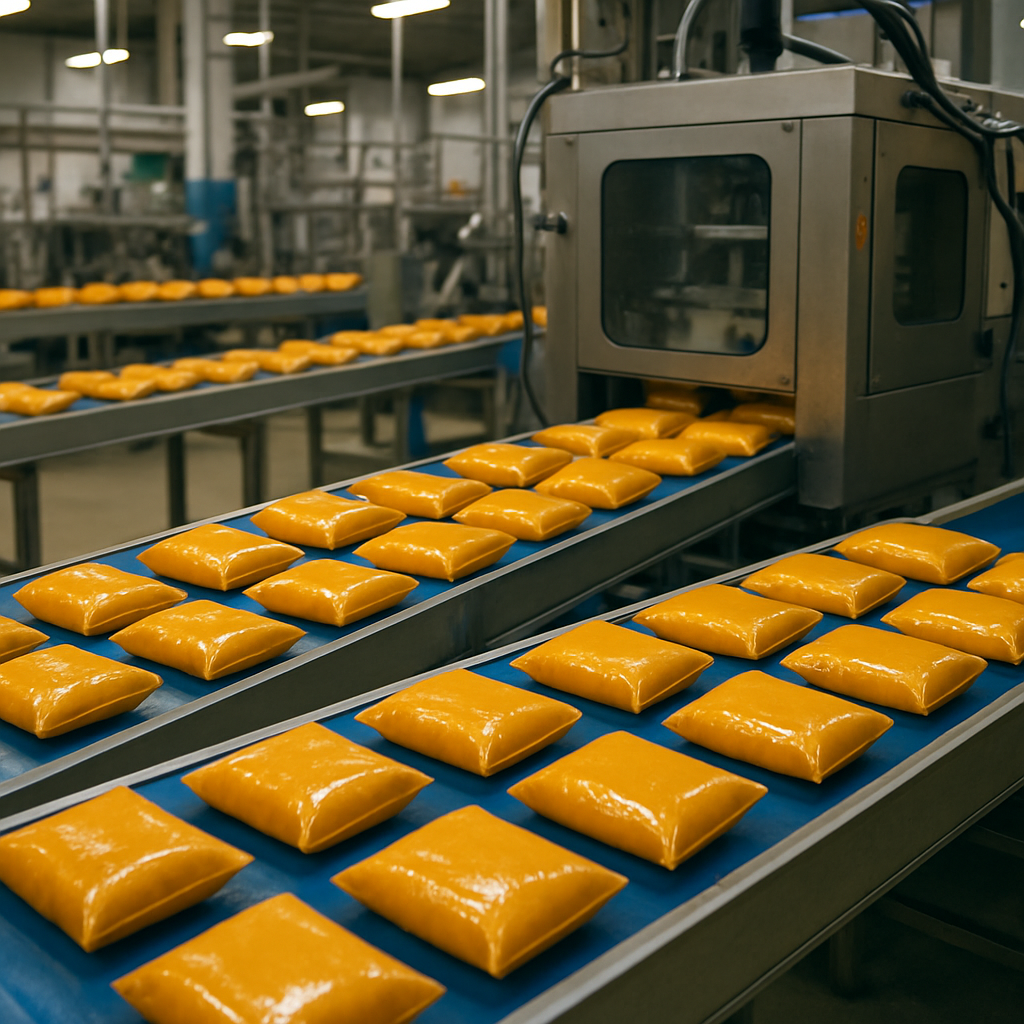
The primary benefit of using nitrogen in food packaging is the extended shelf life it provides. By reducing the oxygen levels within a package, nitrogen helps slow down the oxidation process and prevents spoilage. This is particularly beneficial for perishable products like meats, dairy, and baked goods.
Maintaining Food Quality
Nitrogen packaging helps maintain the quality and flavor of food products. Foods exposed to oxygen can develop off-flavors and odors due to oxidation. By using nitrogen, these changes are minimized, keeping the product tasting fresh longer.
Cost-Effective Solution
Nitrogen generators offer a cost-effective solution for food manufacturers. They eliminate the need to purchase bottled nitrogen, which can be expensive and logistically challenging. By generating nitrogen on-site, companies can reduce costs and improve their operational efficiency.
Environmentally Friendly
Using nitrogen in food packaging is an environmentally friendly option. It reduces food waste by extending product life and allows for more efficient resource use. Additionally, nitrogen is a natural component of the air, making it a sustainable choice for packaging needs.
Applications of Nitrogen in Food Packaging
Meat and Seafood Packaging
In the packaging of meats and seafood, nitrogen is used to prevent oxidation and the growth of spoilage organisms. This helps maintain the color, texture, and flavor of the products, ensuring they reach consumers in optimal condition.
Snack Foods
 by PULSÍTOS.com (https://unsplash.com/@pulsitos)
Nitrogen is often used in the packaging of snack foods like chips and nuts. It helps prevent the products from becoming stale and retains their crunchiness. By using nitrogen, manufacturers can ensure that snacks remain fresh and appealing to consumers.
Dairy Products
Dairy products, especially those prone to spoilage like cheese and yogurt, benefit from nitrogen packaging. It slows down the growth of spoilage bacteria and helps maintain the product’s texture and taste.
Baked Goods
For baked goods, nitrogen packaging helps prevent staleness and preserves the product’s texture and moisture content. This is essential for maintaining the quality of bread, cakes, and pastries.
Implementing Nitrogen Generators in Your Food Packaging Process
Assessing Your Needs
Before implementing nitrogen generators, it’s important to assess your packaging needs. Consider the types of products you package, their shelf life requirements, and the volume of production. This will help determine the appropriate nitrogen generator for your operations.
Choosing the Right Generator
Select a nitrogen generator that meets your production demands. Consider factors like nitrogen purity, flow rate, and the type of generator (PSA or membrane) that best suits your needs. Consulting with a specialist can help ensure you make the right choice.
Installation and Maintenance
Once you’ve chosen a nitrogen generator, proper installation and maintenance are key. Ensure the generator is installed according to manufacturer guidelines and that regular maintenance is performed to keep it operating efficiently. This includes checking filters, valves, and other components to prevent downtime.
Conclusion
Nitrogen generators are revolutionizing the food packaging industry by offering a reliable and efficient way to extend the shelf life of food products. By replacing oxygen with nitrogen, food manufacturers can preserve the quality and freshness of their products, reduce waste, and improve profitability. Whether you’re packaging meats, snacks, dairy, or baked goods, incorporating nitrogen generators into your process can provide significant benefits and ensure your products reach consumers in the best possible condition.
By understanding the role of nitrogen in food packaging and implementing nitrogen generators, you can enhance your product offerings and stay competitive in the ever-evolving food industry.