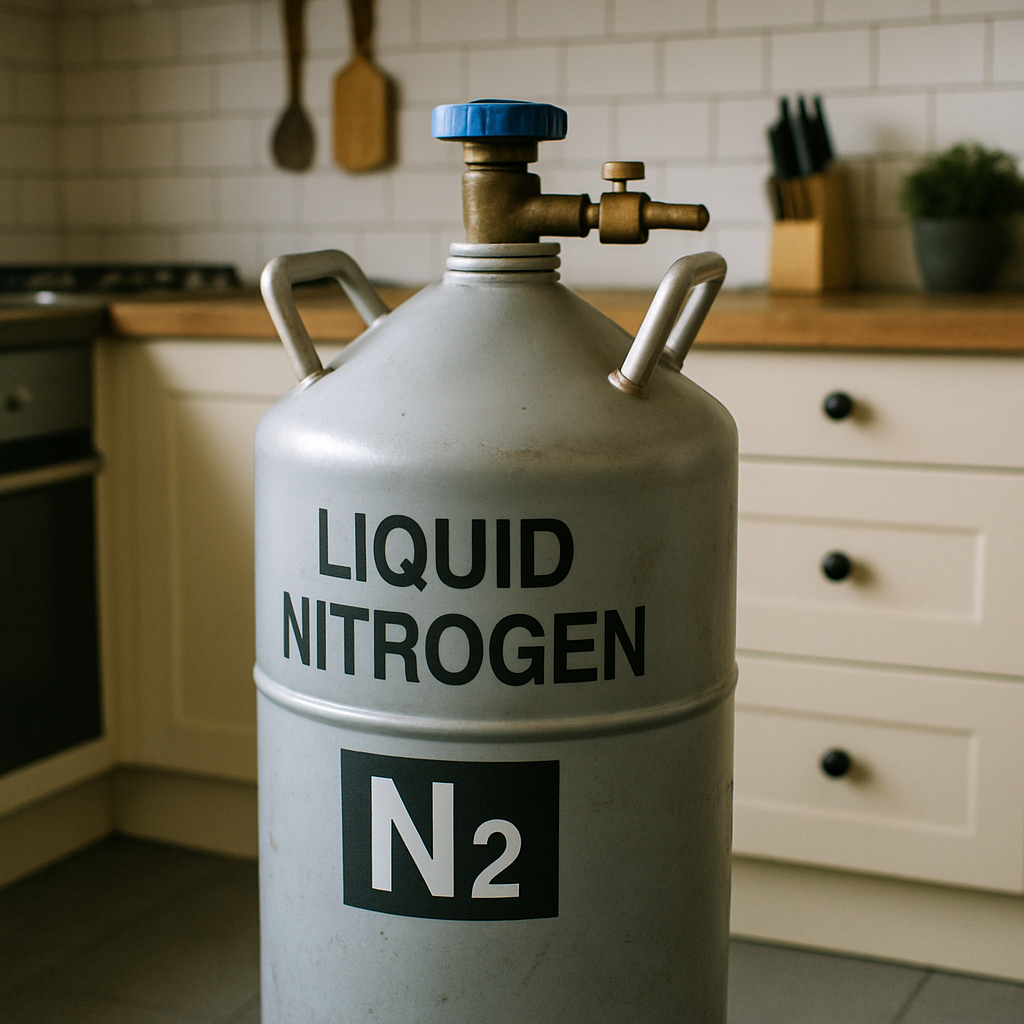
Food grade liquid nitrogen is a fascinating substance that’s been making waves in the culinary world. But what exactly is it, and why is it so important in food preparation? In this article, we’ll explore what food grade liquid nitrogen is, how it’s used, and why it’s a game-changer in both the kitchen and food industry.
Understanding Food Grade Liquid Nitrogen
Liquid nitrogen is nitrogen in a liquid state at an extremely low temperature. It’s colorless, odorless, and inert, meaning it doesn’t react with other substances. When we refer to “food grade” liquid nitrogen, we’re talking about nitrogen that’s been produced and handled according to strict safety and quality standards to ensure it’s safe for use in food preparation.
Why Is It Called “Food Grade”?
The term “food grade” indicates that the liquid nitrogen meets specific standards for purity and safety, making it suitable for use in food and beverage applications. This means it is free from contaminants and any hazardous substances that could pose a risk to health when used in food processes.
How Is Liquid Nitrogen Used in Food?
Liquid nitrogen is a versatile tool in the kitchen, offering a range of uses from rapid freezing to culinary creativity. Here are some of the most common applications:
Rapid Freezing
One of the most popular uses of liquid nitrogen is rapid freezing. Chefs and food manufacturers use it to freeze food quickly. The extremely low temperature of liquid nitrogen (-196°C or -321°F) allows it to freeze food almost instantly. This quick freezing process helps in preserving the food’s texture and flavor better than traditional freezing methods.
Making Ice Cream
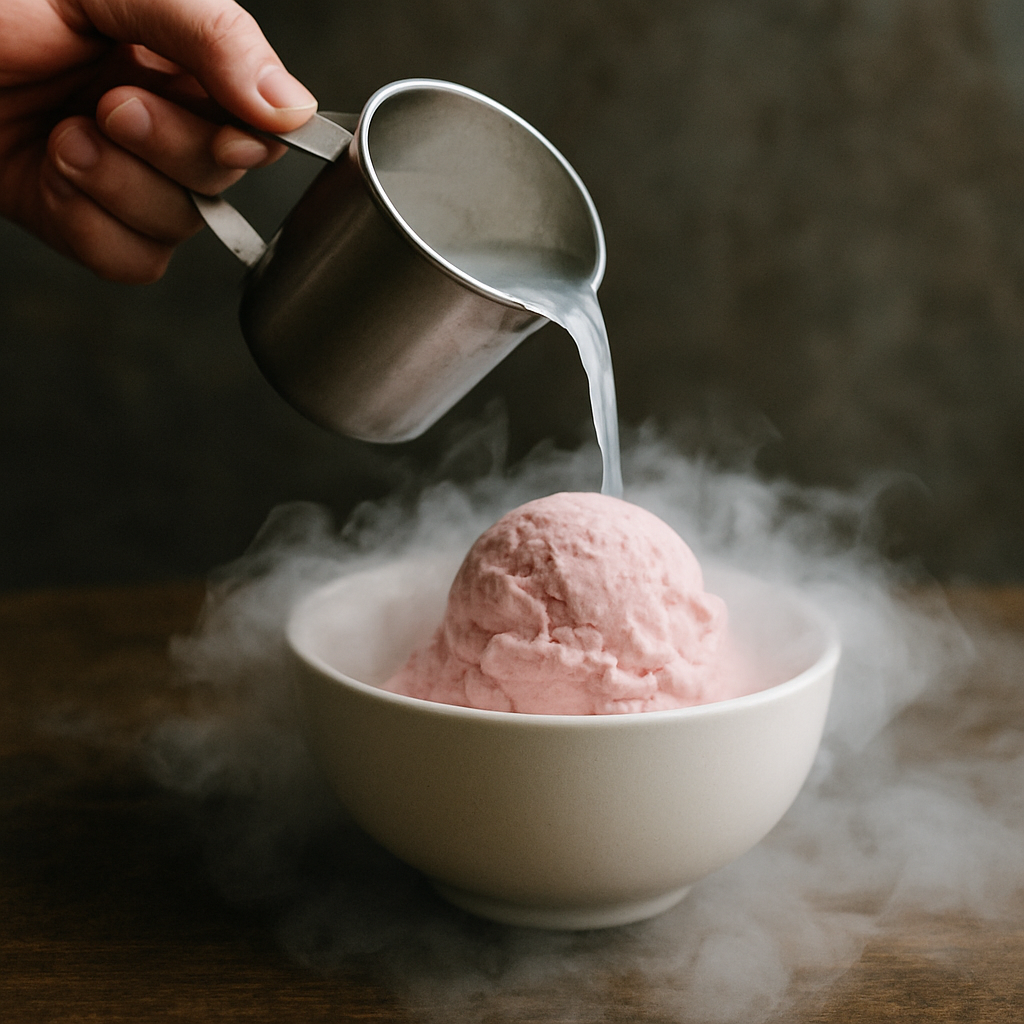
A popular trend in modern gastronomy is using liquid nitrogen to make ice cream. The rapid freezing process creates ultra-smooth ice cream with tiny ice crystals, resulting in a creamier texture. It’s not only a treat for the taste buds but also a spectacular visual experience when the misty vapor swirls around the mixing bowl.
Food Presentation
In high-end restaurants, chefs use liquid nitrogen for dramatic food presentation. The foggy, smoky effect created when liquid nitrogen vaporizes adds an element of theater to dishes, delighting diners with both taste and visual appeal.
Creating Culinary Delights
Chefs also use liquid nitrogen to create unique culinary delights that are otherwise difficult to achieve. For example, they can create powdered foods that melt instantly in the mouth or transform liquids into solid, crunchy textures.
Safety Considerations with Liquid Nitrogen
While liquid nitrogen offers exciting possibilities, safety is paramount when using it in food preparation. Here are some key safety considerations:
Handling Precautions
When handling liquid nitrogen, it’s important to wear protective gear, such as gloves and goggles, to prevent skin contact and eye exposure. Direct contact with liquid nitrogen can cause severe cold burns or frostbite.
Ventilation
Using liquid nitrogen in a well-ventilated area is crucial. As it evaporates, it displaces oxygen in the air, which can lead to asphyxiation if the area is not properly ventilated.
Consumption Safety
Food grade liquid nitrogen must be completely evaporated before serving the food. Consuming liquid nitrogen in its liquid state can cause severe internal damage due to its extremely low temperature.
The Science Behind Liquid Nitrogen in Food
 by Berke Can (https://unsplash.com/@berkaroon)
The science of liquid nitrogen in food preparation is based on its physical properties. Nitrogen is a gas at room temperature and becomes a liquid when cooled to extremely low temperatures. When used in food, its rapid cooling ability allows for unique texture and flavor preservation.
How Rapid Freezing Works
The rapid freezing process with liquid nitrogen prevents the formation of large ice crystals, which can damage the structure of food. This means that the texture and moisture content remain intact, resulting in a superior product in terms of taste and appearance.
Vaporization and Its Effects
When liquid nitrogen is exposed to room temperature, it quickly vaporizes, creating a dramatic fog effect. This vaporization is harmless when handled properly, as the nitrogen gas safely dissipates into the air.
The Impact of Liquid Nitrogen on the Food Industry
Liquid nitrogen has revolutionized the food industry, offering new possibilities for preservation, texture modification, and culinary innovation. Its impact is seen across various sectors, from high-end gastronomy to mass food production.
Extending Shelf Life
In food manufacturing, liquid nitrogen is used to extend the shelf life of products by freezing them quickly and efficiently. This helps in maintaining quality and reducing waste, which is particularly beneficial for perishable goods.
Enhancing Food Quality
The ability to preserve the texture and flavor of food through rapid freezing means that consumers enjoy a better-quality product. This is particularly important for frozen goods, where traditional freezing methods can lead to a loss of quality.
Driving Culinary Innovation
In the culinary world, liquid nitrogen is driving innovation by allowing chefs to experiment with new textures, flavors, and presentations. This has led to the creation of novel dishes that push the boundaries of traditional cooking methods.
Conclusion
Food grade liquid nitrogen is more than just a tool for freezing. It’s a revolutionary substance that has transformed both the culinary and food production industries. With its ability to rapidly freeze and create unique textures, liquid nitrogen opens up new possibilities for chefs and food manufacturers alike. However, it’s essential to handle it safely and responsibly to fully enjoy its benefits without any risks. As its use becomes more widespread, we can only anticipate further innovations and exciting developments in the world of food.