In the pharmaceutical industry, precision and purity are paramount. The quality of gases used in various processes can significantly affect the end product’s safety and efficacy. One such gas, nitrogen, plays a crucial role in pharmaceutical applications. This article explores the importance of nitrogen generators in the pharmaceutical industry, detailing their types, benefits, and applications.
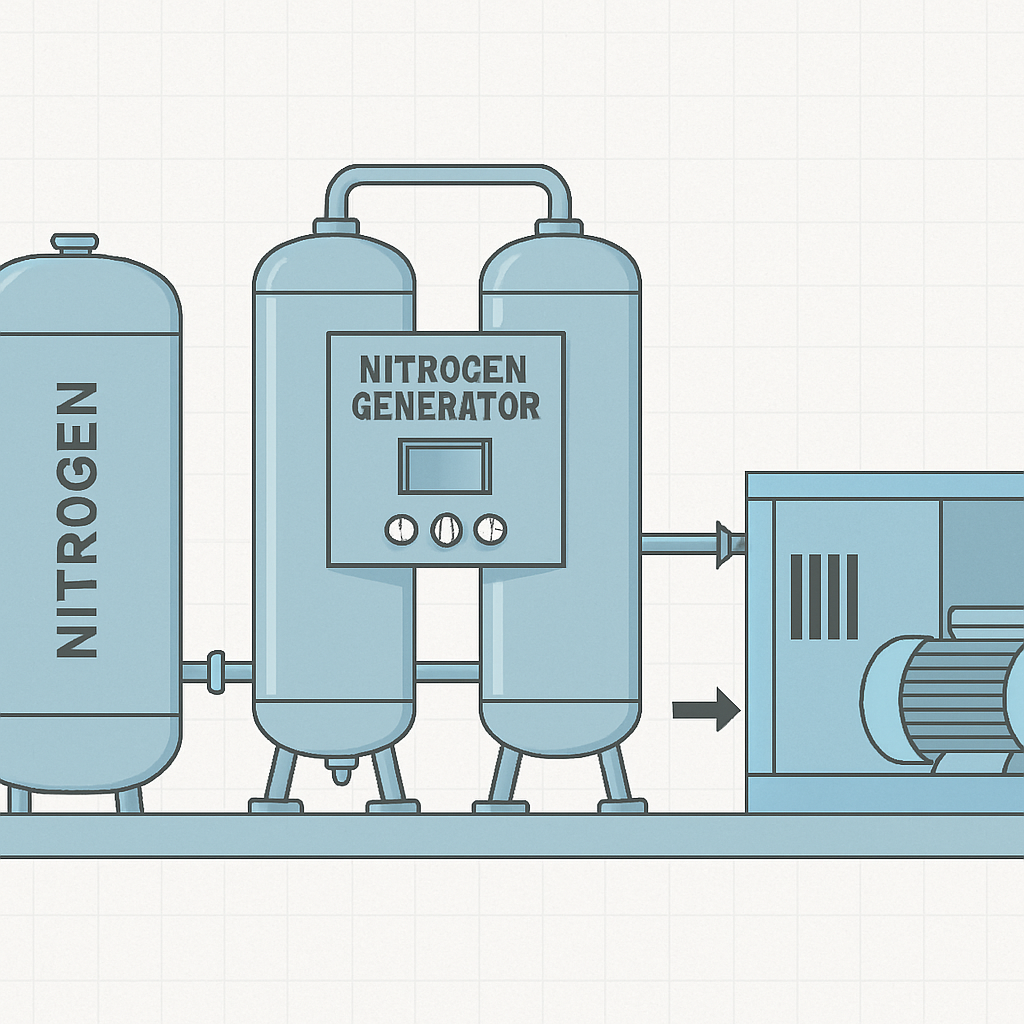
Nitrogen generators are devices that produce nitrogen gas from ambient air. They offer a more convenient and cost-effective solution compared to traditional methods of nitrogen supply, such as gas cylinders or liquid nitrogen tanks. By utilizing advanced technologies, these systems ensure a continuous supply of high-purity nitrogen essential for various industrial applications.
Types of Nitrogen Generators
There are primarily two types of nitrogen generation systems used in the pharmaceutical industry:
- Pressure Swing Adsorption (PSA) Nitrogen Generators: These systems work by using adsorbent materials to separate nitrogen from other gases present in the air. PSA systems are known for their efficiency and ability to produce high-purity nitrogen, making them ideal for pharmaceutical applications.
- Membrane Nitrogen Generators: These generators use semi-permeable membranes to separate nitrogen from other gases. While they may not achieve the same purity levels as PSA systems, they are highly efficient and suitable for applications where ultra-high purity is not a necessity.
Why Nitrogen Generators are Vital in Pharmaceuticals
Ensuring Product Purity and Safety
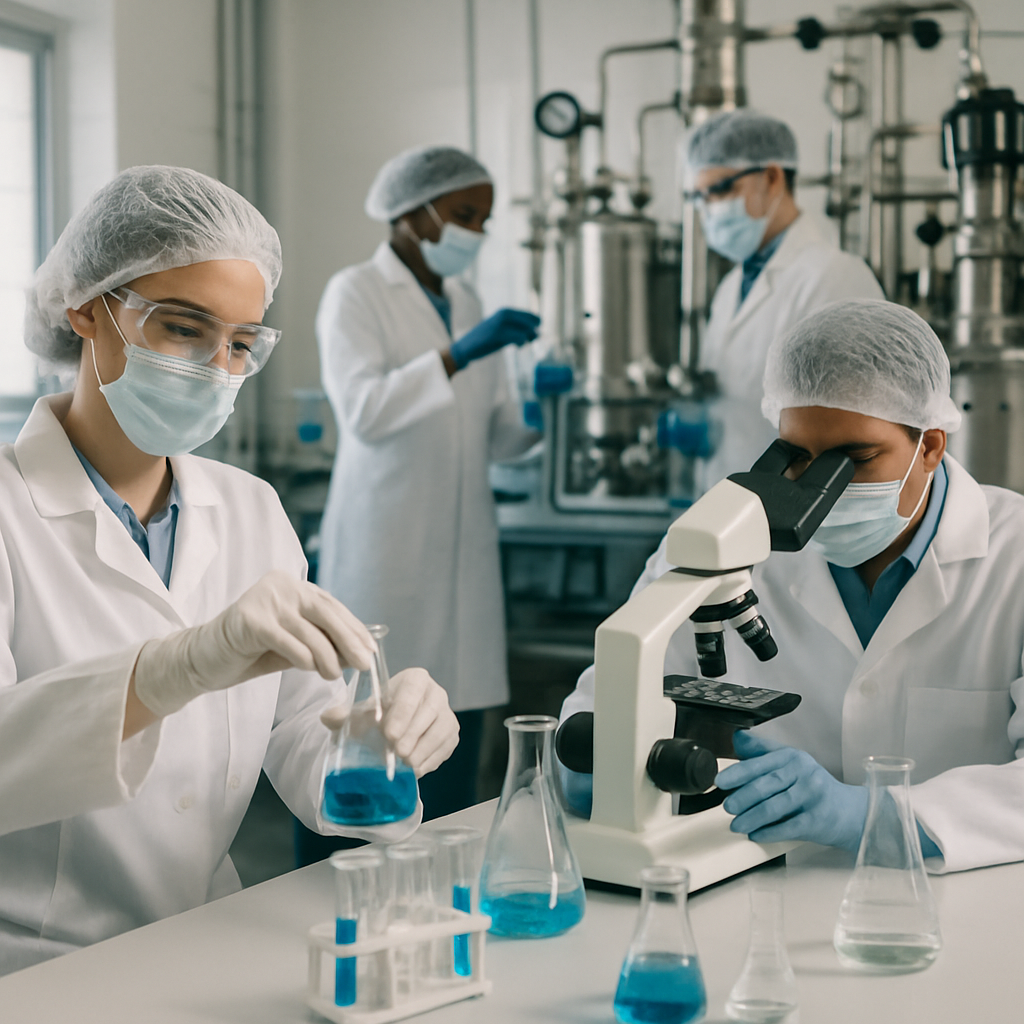
In the pharmaceutical industry, nitrogen is used to create an inert atmosphere during various stages of drug manufacturing. This prevents oxidation and contamination, ensuring the final product’s purity and safety. Nitrogen generators provide a reliable source of high-purity nitrogen, vital for maintaining stringent quality standards.
Cost-Effectiveness and Efficiency
Traditional nitrogen supply methods, such as gas cylinders, can be costly and cumbersome. Frequent deliveries and handling pose logistical challenges and increase operational costs. Nitrogen generation systems, on the other hand, offer an on-demand, continuous supply of nitrogen, significantly reducing costs and improving operational efficiency.
Environmental and Safety Benefits
Using nitrogen generators reduces the carbon footprint associated with transporting gas cylinders. Additionally, eliminating the need for handling high-pressure cylinders enhances workplace safety. The systems are designed to minimize energy consumption, making them an environmentally friendly option.
Applications of Nitrogen in the Pharmaceutical Industry
Drug Packaging
Nitrogen is used in the packaging process to displace oxygen and moisture, which can degrade pharmaceutical products. This inert atmosphere extends the shelf life of drugs and ensures their efficacy over time.
Blanketing and Purging
In pharmaceutical manufacturing, nitrogen is used for blanketing and purging processes. Blanketing involves covering the surface of a liquid with a layer of nitrogen to prevent oxidation, while purging removes unwanted gases from equipment and pipelines, maintaining product integrity.
Fermentation Processes
Nitrogen is utilized in fermentation processes to maintain an optimal environment for microbial growth. The controlled atmosphere provided by nitrogen generators enhances product yield and quality.
Quality Control and Testing
High-purity nitrogen is essential for various analytical and testing procedures in the pharmaceutical industry. It ensures accurate results in quality control tests, critical for complying with regulatory standards.
Choosing the Right Nitrogen Generator for Your Needs
 by Rodrigo Kambara (https://unsplash.com/@rodrigoeng)
Selecting the appropriate nitrogen generator involves considering several factors:
- Purity Requirements: Determine the level of nitrogen purity required for your specific applications. PSA systems are ideal for ultra-high purity needs, while membrane systems may suffice for less stringent requirements.
- Flow Rate: Assess the volume of nitrogen needed to support your operations. Generators come in various sizes, capable of producing different flow rates to meet diverse industrial demands.
- Installation and Maintenance: Consider the installation footprint and maintenance requirements of the generator. Opt for systems that are easy to install and maintain, minimizing downtime and operational disruptions.
- Cost and Efficiency: Evaluate the long-term cost savings and energy efficiency of the generator. A higher initial investment may be justified by substantial savings in operational costs over time.
Conclusion
Nitrogen generators are indispensable in the pharmaceutical industry, providing a reliable, cost-effective, and environmentally friendly solution for nitrogen supply. By ensuring product purity and safety, enhancing operational efficiency, and supporting various pharmaceutical processes, these systems contribute significantly to maintaining high standards in drug manufacturing.
Investing in a suitable nitrogen generation system can transform your pharmaceutical operations, streamlining processes and reducing costs while adhering to stringent quality standards. Whether for packaging, fermentation, or quality control, nitrogen generators play a crucial role in the industry’s pursuit of excellence.